Dubai’s healthcare system operates through a two-tier structure, where you’ll find both public and private facilities under Dubai Health Authority oversight. You’re required to have employer-sponsored insurance, costing AED 320 annually with minimum benefits including consultations and emergency care. The system utilizes AI diagnostics, telemedicine, and blockchain technology to bolster patient care. With over 691,000 medical tourists annually and JCI-accredited facilities, Dubai’s healthcare standards rival top global destinations. Understanding the system’s complete scope reveals its full advantages for residents and visitors.
The Two-Tier Healthcare Structure: Public Vs Private
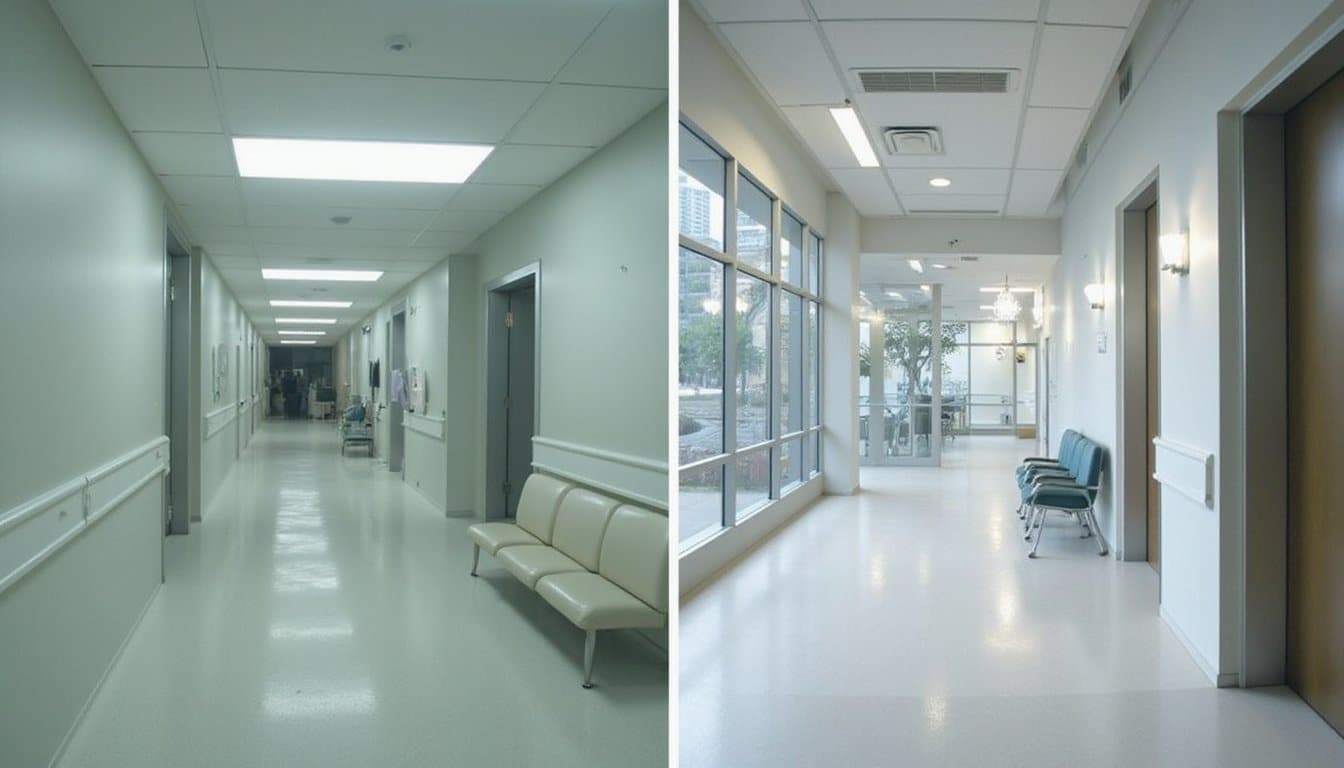
As Dubai’s healthcare system evolves in the direction of 2025, its two-tier structure of public and private sectors operates under the Dubai Health Authority’s unified oversight while serving distinctly different patient populations. Digital health infrastructure continues to expand through recent DHA enhancements, improving connectivity between facilities, a level of integration that stands out when comparing Dubai healthcare vs Gulf countries healthcare.
You’ll find public hospitals primarily serving Emiratis with subsidized care, while private facilities cater to expatriates through employer-provided insurance. The DHA’s targeted outreach programs guarantee both sectors maintain international standards, with public facilities focusing on universal access and private providers emphasizing rapid service delivery. Regular patient satisfaction surveys show private hospitals excel in multilingual support and specialist availability, while public institutions lead in emergency and long-term care. Dubai uses NABIDH. Wareed is the EHR for Emirates Health Services (Northern Emirates), and Riayati is the national platform that links to both. This dual approach has proven effective, with private providers contributing 48% of healthcare funding while public facilities safeguard essential services remain accessible. The mandatory employer-sponsored insurance requirement ensures comprehensive coverage for private sector employees and domestic workers. The system’s three-tiered delivery model of primary, specialist, and emergency care ensures comprehensive coverage across both public and private sectors.
Mandatory Insurance Requirements and Coverage Details
Three core elements define Dubai’s mandatory health insurance framework for 2025: universal private sector coverage, standardized minimum benefits, and strict employer compliance requirements.
You’ll find that employers must provide basic health insurance at AED 320 annually per worker, with no option to deduct from employee salaries. Non-compliant businesses face severe financial penalties ranging from AED 500 to AED 150,000. The coverage encompasses consultations, diagnostics, emergency care, and chronic disease management. While cross border coverage isn’t mandatory, the policy guarantees access to licensed healthcare facilities across the UAE. The plan includes telehealth services with no required co-payments. Dubai healthcare advancements in recent years have significantly improved the accessibility and quality of health services. These developments encourage more expatriates and residents to seek medical help, knowing that innovative solutions are available.
Mohammed Bin Rashid University is Dubai’s first university dedicated to healthcare, and Mohammed Bin Rashid University in Dubai works toward its goal of becoming an internationally recognized destination for quality care as well as an integrated center of excellence for clinical and wellness services, medical education, and research, opening up wider healthcare career opportunities in Dubai.
Digital Innovation Reshaping Patient Care

Four transformative digital innovations are fundamentally reshaping Dubai’s healthcare delivery by 2025: AI-driven diagnostics, expanded telemedicine services, blockchain-secured health records, and IoT-enabled smart hospitals. Through predictive risk stratification, you’ll receive early interventions based on your unique health profile, while personalized health coaching via virtual assistants guides your wellness path 24/7. A dedicated focus on operational agility enables healthcare facilities to rapidly adapt their services to evolving patient needs and emerging health challenges. The transformation emphasizes value-based care to ensure better patient outcomes while optimizing healthcare costs. The Ministry’s commitment to advanced digital technologies drives continuous improvement in preventive healthcare delivery.
| Innovation Impact | Patient Benefit |
|---|---|
| AI Diagnostics | 30% faster disease detection |
| Remote Monitoring | Real-time health tracking |
| Blockchain Records | Secure data across providers |
| Smart Hospitals | Reduced waiting times |
| Virtual Care | 24/7 medical access |
You’ll experience seamless care through connected devices that transmit crucial signs directly to your healthcare team, while blockchain technology protects your medical data remains private yet accessible across authorized providers. Smart hospitals equipped with AI-guided robotics deliver precise surgical interventions with minimal recovery time, a hallmark of robotic surgery innovation in Dubai and the kind of advancement that defines Dubai’s top hospitals.
Economic Investment and Cost Considerations
Dubai’s unprecedented AED118 billion healthcare investment in 2025 reflects a strategic push to transform the emirate into a global medical hub. You’ll find private employers contributing 48% of healthcare spending, while government funding accounts for 39%, creating a substantial financial foundation for the sector’s expansion. The growing trend in medical tourism continues to drive revenue growth in the healthcare sector. The emirate’s commitment to digital health investments strengthens its position as a leading healthcare destination. The UAE’s robust foreign ownership policies encourage global healthcare investors to establish operations with complete control of their ventures.
The system’s economic dynamics reveal both opportunities and challenges. While the health sector drives impressive 26% year-on-year growth, you’re facing rising out-of-pocket payments, which have increased by 3%. Healthcare costs are projected to climb 12% regionally, necessitating effective cost containment strategies. The government’s response includes implementing Law No. (5) of 2025 to regulate providers and mandatory insurance coverage starting at AED 320, balancing accessibility with financial sustainability in Dubai’s evolving healthcare terrain where accurate Dubai medical insurance coding becomes essential to managing these costs, much like the reforms driving Saudi Arabia’s healthcare development.
Medical Tourism and International Standards

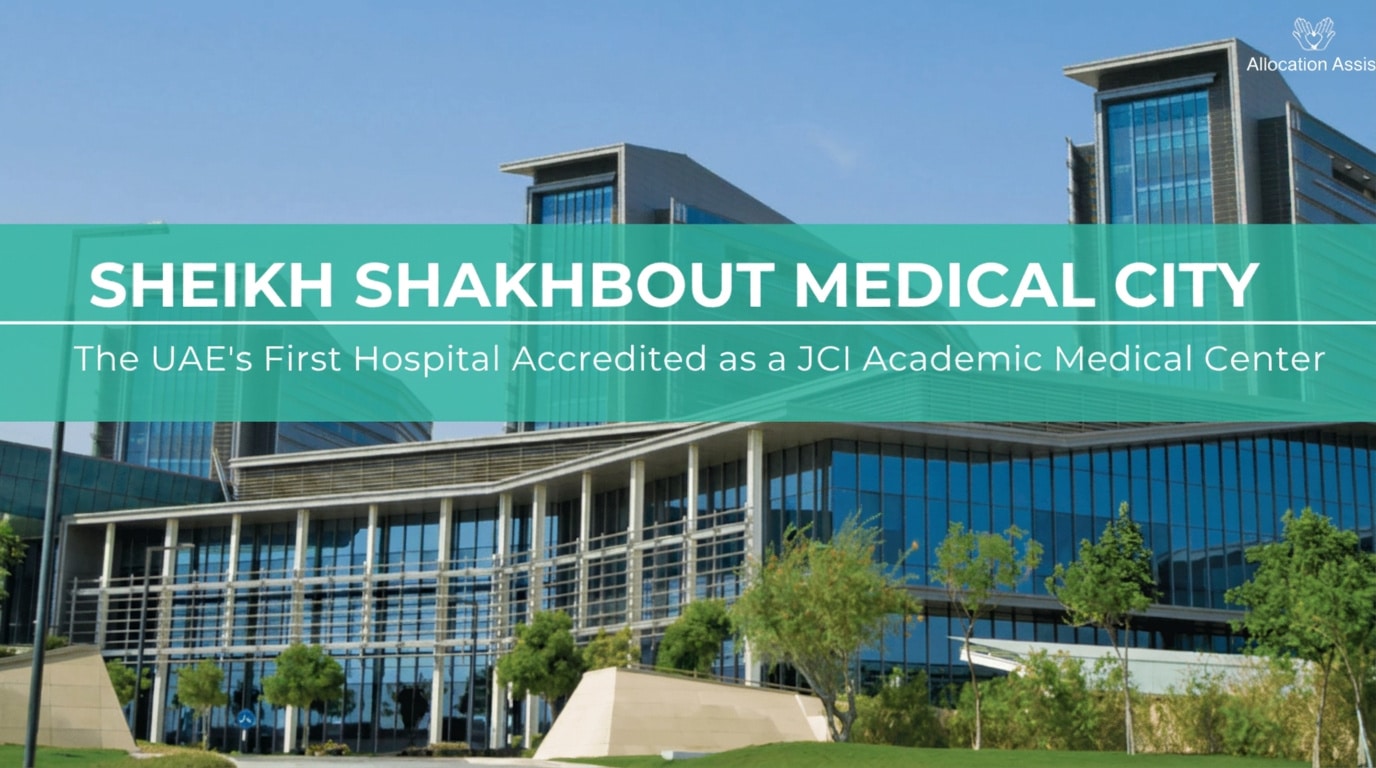
Building on the strong economic foundation, medical tourism has emerged as a cornerstone of the healthcare sector’s expansion. You’ll find Dubai hosting over 691,000 international health tourists annually, generating more than AED 1.03 billion in revenue. The city’s healthcare facilities maintain rigorous international accreditation standards, particularly through JCI certification, positioning the UAE among the global top ten for healthcare quality. The city has established itself as a leader in advanced treatments comparable to those found in Western nations, but at significantly lower costs. Wellness tourism and holistic healing have expanded significantly, with luxury resorts offering integrated wellness retreats across 15 locations.
The emergence of comprehensive service packages has significantly enhanced the patient experience, including personalized concierge services and culturally sensitive care. You’re benefiting from a system that’s strategically positioned within eight hours of two-thirds of the world’s population. The quality standards are evident in all-encompassing service packages, including AI-driven diagnostics and robotic surgeries. With patients from Asia (37%), Arab/GCC region (31%), and Europe (15%), Dubai’s medical tourism sector is projected to reach USD 889.97 million by 2032, reflecting its growing international prominence.
Frequently Asked Questions
How Long Are Typical Waiting Times for Specialist Appointments in Dubai?
You’ll typically wait 1-4 weeks for a specialist appointment in Dubai, though your referral process duration varies by facility. At government hospitals, you can expect to wait over 2 weeks during busy periods. However, if you’re using private clinics, specialist appointment availability is much better, often just 1-7 days. The system’s AI-driven scheduling and real-time analytics are helping reduce these wait times, particularly by addressing the 21% no-show rate.
What Healthcare Services Are Available for Visitors Without Residency Visas?
As a visitor, you’ll have access to emergency care at all hospitals regardless of your insurance status. You can use private hospitals and walk-in clinics for non-emergency care, but you’ll need to pay up front. It’s highly recommended to secure travel health plans before your visit, as medical costs can be substantial. While insurance coverage isn’t mandatory for visitors, basic short-term plans start at 320 AED and can help offset the high out-of-pocket expenses.
Are Alternative Medicine Treatments Covered Under Mandatory Health Insurance Plans?
No, you won’t find alternative medicine treatments covered under Dubai’s mandatory health insurance plans. While there’s growing demand for herbal remedies coverage and complementary therapies costs, these services aren’t included in standard plans like the Essential Benefits Plan. You’ll need to purchase supplementary coverage or upgraded plans to access such treatments. Less than 15% of insurance claims involve alternative therapies, and they’re generally considered optional supplements rather than essential coverage.
How Does Dubai Handle Emergency Medical Evacuations to Other Countries?
If you need international medical evacuation from Dubai, you’ll need written acceptance from a receiving hospital abroad before any transport begins. Dubai Civil Defence coordinates international airlifts through either government or private air ambulances, requiring specific insurance coverage for these costly services. You must follow strict protocols for patient transfers, including medical equipment requirements and facility readiness checks. The process involves coordination between DHA, hospitals, and international healthcare providers.
What Mental Health Support Services Are Accessible in Arabic and English?
You’ll find extensive multilingual support services across Dubai’s 15 specialized mental health clinics, offering both Arabic and English assistance. You can access culturally sensitive counseling through individual or group therapy sessions, with licensed professionals trained in both languages. You’re covered for diverse conditions, including depression, anxiety, PTSD, and addiction support. Through the “NABIDH” electronic system, you’ll receive standardized care following international treatment protocols, regardless of your preferred language.