To work as an ENT specialist in Dubai you need a medical degree, a completed internship, and a recognised otolaryngology specialty qualification from a full-time programme of at least three years. The Dubai Health Authority (DHA) licenses doctors across Dubai, outside the Dubai Healthcare City free zone. Your documents are verified through DataFlow, and your qualification’s tier decides whether you sit the DHA exam and how much experience you need.
Essential Medical Degrees and Specialist Training for ENT Practitioners

The UAE’s Unified Healthcare Professional Qualification Requirements (PQR) group specialty qualifications into three tiers. Tier 1 includes a UK Certificate of Completion of Training (CCT) and American Board certificates (ABMS). Tier 2 includes Royal College membership or fellowship with an accredited residency, FRCS through the Intercollegiate Specialty Board, UK CESR with GMC specialist registration, and the Arab Board. Tier 3 includes qualifications such as Pakistan’s FCPS. Otolaryngology, paediatric otolaryngology and neurotology are all recognised titles.
DHA Licensing Requirements for ENT Specialists
You apply through DHA’s Sheryan portal. DHA charges AED 200 to register, and the registration is valid for one year, during which a Dubai healthcare facility must activate it into a licence. A full-time physician licence costs AED 3,000 for one year, AED 5,000 for two or AED 7,500 for three. Your good standing certificate must be no older than six months, and surgical specialties, including ENT, must submit a logbook.
If you need the exam, the DHA Specialist Otolaryngology exam has 150 multiple-choice questions over three hours, costs USD 280 and needs 60% to pass. Holders of a Tier 1 specialty certificate from one of 22 countries, including the UK, USA, Canada, Australia, Ireland and Germany, are exempt. Because titles are tied to experience, it helps to understand specialist vs consultant roles in Dubai before you apply.
DHA License Application Process
You start with DHA’s Self-Assessment Tool on Sheryan, then submit your documents to DataFlow for primary source verification: degree, internship, specialty certificate, experience letters, licence and good standing certificate. You can sit the exam while DataFlow runs. Once both are complete, DHA issues your registration, and the hiring facility activates it into a licence.
Experience Requirements by Qualification Tier
| Title | Tier 1 | Tier 2 | Tier 3 |
|---|---|---|---|
| Specialist | No experience required | No experience required | 3 years after qualifying (non-UAE nationals) |
| Consultant | 2 years after main specialty | 5 years after main specialty | Cannot attain the title |
License Renewal and Compliance
DHA registration can be renewed within three months of its expiry date, for AED 200. Doctors need at least 40 CME/CPD hours a year in their specialty, and surgical specialties, including ENT, must submit a logbook every two years at renewal.
Clinical Experience and Surgical Competency Standards
Establishing your credentials as an ear specialist in Dubai demands rigorous clinical experience that meets the emirate’s stringent healthcare standards. Your experience requirement depends on your qualification tier (see the table above). If you have been out of clinical practice for more than three years, the PQR requires CME credits and supervised training before you can be licensed, and you must sit the exam even if your qualification would normally exempt you. Your surgical proficiency must encompass core procedures, including septoplasty, tonsillectomy, tympanoplasty, and endoscopic sinus surgery, alongside advanced otology subspecialty skills. Manual dexterity and excellent hand-eye coordination are essential for intricate microsurgical interventions.
You’re expected to maintain surgical competency through continuous professional development, attending CME events and workshops. Compliance with quality assurance protocols guarantees optimal patient outcomes, whilst research opportunities enhance your professional standing within Dubai’s evolving healthcare landscape. Dubai’s healthcare facilities provide access to cutting-edge technology that enables specialists to deliver high-quality, patient-centered care. ENT sits within a broader hiring boom, and seeing where it ranks among the most in-demand specialist jobs in Dubai can help you benchmark your prospects. Aspiring ENT specialists must complete residency programs lasting 4-5 years depending on the specific specialty focus and training requirements established by Emirates Health Services. All applicants must hold a medical degree from a recognized institution to be considered for ear specialist positions in Dubai.
Communication Skills and Professional Attributes for Patient Care
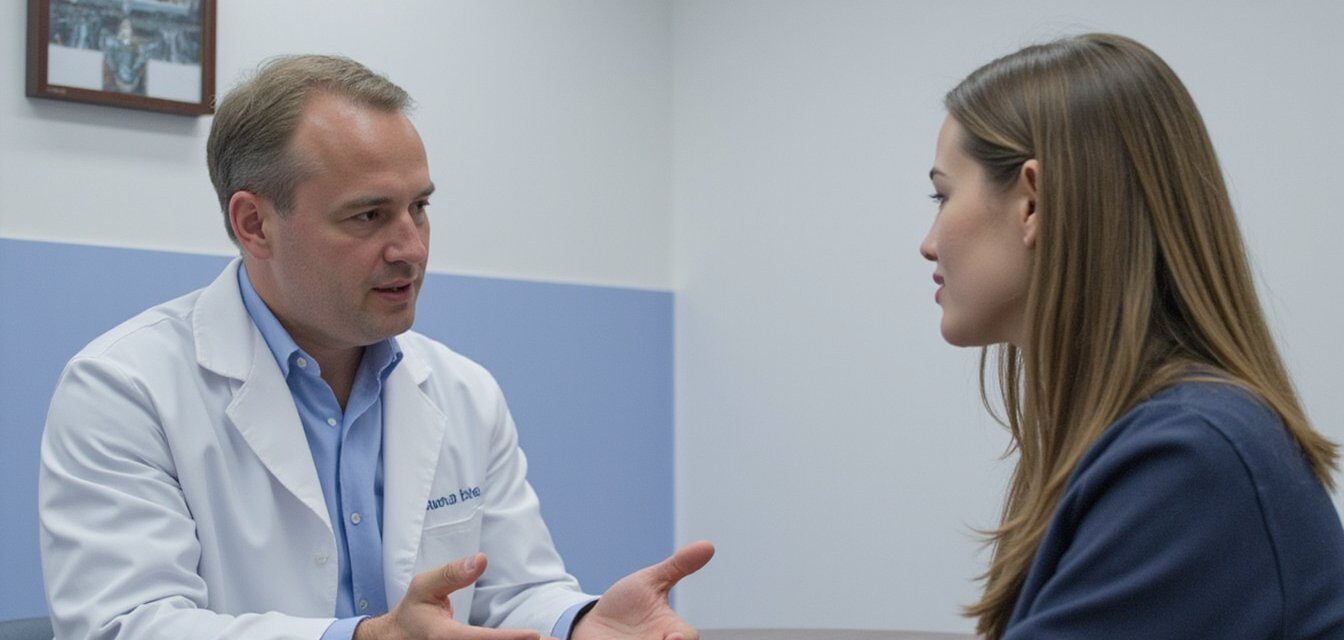
As an ear specialist in Dubai’s multicultural healthcare environment, you’ll need excellent communication skills to collaborate effectively with audiologists, speech therapists, radiologists, and nursing staff while coordinating complex treatment plans. Your ability to educate patients clearly about conditions like otosclerosis, cholesteatoma, or cochlear implant candidacy directly impacts treatment adherence and outcomes. You must also counsel patients and their families through difficult diagnoses, ensuring they understand procedural risks, recovery expectations, and long-term management strategies while respecting cultural sensitivities prevalent in the UAE. Strong interpersonal skills enable you to build trust with patients while working effectively within multidisciplinary teams to deliver comprehensive care. Excellence in patient-centered outcomes requires balancing clinical expertise with compassionate communication that addresses individual patient needs and concerns.
Effective Multidisciplinary Team Collaboration
How can ear specialists in Dubai deliver ideal patient outcomes without robust collaboration across medical disciplines? You’ll need to actively engage in multidisciplinary team integration, working alongside audiologists, radiologists, speech therapists, and neurosurgeons through regular case discussions and joint clinics. Your care coordination must leverage centralized patient records and digital platforms for real-time communication, ensuring seamless information exchange.
Essential collaboration practices include:
- Participating in shared decision-making that respects diverse expertise and fosters mutual trust among specialists
- Maintaining standardized documentation and evidence-based protocols for uniform care delivery
- Conducting regular team briefings to address patient progress and overcome care challenges
- Implementing feedback loops to identify communication gaps and optimize patient handoffs
You’ll demonstrate accountability through continuous quality improvement initiatives and long-term multidisciplinary follow-up.
Patient Education and Counseling
Technical expertise in multidisciplinary settings requires equally refined communication abilities to achieve ideal patient outcomes. You’ll need proficiency in evidence-based counseling techniques that address cultural misconceptions and enhance treatment acceptance rates. Your patient education strategies must incorporate structured protocols that demonstrate improved compliance and patient satisfaction metrics.
Dubai’s healthcare standards mandate continuous medical education in communication methodologies, ensuring you maintain current competency in patient counseling. You’ll employ semi-structured interview techniques to understand patient perspectives and barriers to treatment uptake. Your training should include cost-effectiveness discussions, insurance reimbursement guidance, and coordination with audiologists and speech-language pathologists. Professional development in these communication frameworks directly correlates with referral frequency, treatment adherence, and clinical outcomes, essential competencies for practice in Dubai’s regulated healthcare environment.
Continuing Medical Education and Technology Proficiency
While clinical expertise forms the foundation of otologic practice, maintaining licensure and competitiveness in Dubai’s healthcare market demands sustained engagement with Continuing Medical Education (CME) and ongoing technology proficiency. The Dubai Health Authority requires regular CME/CPD participation, with ACCME-accredited or DHA-approved activities earning credits toward renewal. You’ll document certificates and reflective records through licensing portals, with platforms like UpToDate offering 0.5 CPD points per cycle.
Essential competencies include:
- Mastery of audiometric equipment, ABR, OAE, and vestibular diagnostics for precise patient assessment
- Advanced imaging interpretation of temporal bone CT/MRI for complex otologic pathologies
- Proficiency with oto-microscopes, endoscopes, and navigation systems during surgical intervention
- Integration of AI-assisted diagnostics and telemedicine into contemporary clinical workflows
You’ll benefit from ongoing mentorship programs and interdisciplinary research collaborations that enhance specialty-specific knowledge and global standards adherence.
Regional Healthcare Adaptation and Ethical Practice Standards

Successful otologic practice in Dubai extends far beyond surgical technique and diagnostic acumen; it requires strategic adaptation to regional epidemiology, regulatory frameworks, and the sociocultural dynamics of a multinational patient population. You’ll encounter high prevalence of chronic allergic rhinitis, sinusitis, and pediatric ear infections shaped by climate and consanguinity patterns. Proficiency in Arabic enhances patient rapport, while cultural diversity considerations demand tailored communication strategies across varied health literacy levels. You must align treatment protocols with UAE Ministry of Health standards, maintain primary-source credential verification, and participate in mandatory quality assurance programs. Ethical practice requires strict adherence to confidentiality, informed consent, and scope-of-practice boundaries. Engagement in community outreach programs addressing hearing screening and infection prevention demonstrates professional commitment to regional public health priorities and population-specific disease prevention strategies.
Looking for a Medical Role in Dubai?
Allocation Assist works with ENT specialists on DHA licensing and helps them secure roles across Dubai’s hospital groups, so both run at the same time rather than one after the other.
Frequently Asked Questions
What Is the Typical Salary Range for ENT Specialists in Dubai?
ENT pay in Dubai depends mainly on whether you are licensed as a specialist or a consultant, then on the employer and sector. Our Dubai doctor salary guide covers current ranges by title.
How Long Does the DHA License Application Process Usually Take?
DataFlow verification usually takes four to eight weeks. Once verification and any exam are complete, DHA processes the registration in an average of five working days.
Are There Sponsorship Opportunities for International ENT Doctors in Dubai?
Yes. The hiring hospital or clinic sponsors your employment visa and activates your DHA licence. Western-trained ENT specialists with Tier 1 qualifications are the most sought-after because they can be licensed without the exam.
Which Hospitals in Dubai Actively Recruit Ear Specialists?
You’ll find active recruitment at King’s College Hospital Dubai, Aster Hospital Mankhool, Aster Cedars Hospital Jebel Ali, and Armada Hospital JLT, all tertiary healthcare centers offering specialized ENT services. ZIA Medical Center and Emirates Medical Center also post regular openings for DHA-licensed ear specialists. These facilities range from primary care facilities with outpatient ENT departments to advanced surgical centers. You’ll need a DHA licence to work in these hospitals.
Can ENT Specialists Operate Private Clinics in Dubai?
Yes, you can operate a private ENT clinic in Dubai once you’ve obtained your DHA Specialist License. You’ll need to meet strict licensing requirements, including credential verification, residency completion, and facility approval. Private practice options allow you to provide all-encompassing otolaryngology services, though you must comply with UAE business ownership regulations, often requiring a local partner or free zone registration. Your clinic must maintain health standards and undergo regular inspections for continued operation.
What are the steps to become an ENT specialist in Dubai?
Complete a medical degree and internship, then a recognised otolaryngology programme of at least three years. Check your title on DHA’s Self-Assessment Tool, complete DataFlow verification, pass the DHA exam if your qualification is not exempt, and have a Dubai facility activate your registration into a licence.
What are the requirements to work as a doctor in Dubai?
A recognised medical degree, a completed 12-month internship, a valid licence from your current country, a good standing certificate no older than six months, and DataFlow verification of your documents. GPs need two years of clinical experience; specialists’ requirements depend on their qualification tier.