You’ll need a recognized medical degree and 1-5 years of experience to start practicing in Dubai, with licensing taking 3-6 months through DataFlow verification. As a physician, you can expect tax-free monthly salaries ranging from AED 14,434-120,000+, plus housing and transport allowances. You’ll work in a multicultural environment across 4,922 facilities, with clear progression paths from GP to specialist roles. Dubai’s healthcare landscape offers both professional challenges and exceptional rewards.
Essential Licensing Requirements and Eligibility Criteria

Every medical professional seeking to practice in Dubai must navigate an extensive licensing process established by the Dubai Health Authority (DHA). You’ll need to hold a medical degree from a recognized university and complete at least one year of clinical internship. Depending on your specialty, you’ll require 2-5 years of clinical experience and relevant postgraduate qualifications. After submitting your documents, your certificates will undergo DataFlow verification to confirm their authenticity. The entire process from application to licensing takes 3 to 6 months for most candidates to complete.
The document verification process involves submitting your educational certificates, employment records, and a valid medical license from your previous workplace. You’ll undergo Primary Source Verification through DHA’s Sheryan system, which typically takes 6-8 weeks. Unless you’re from exempt countries like the USA, UK, or Canada, you’ll need to pass either a Computer-Based Test or oral examination with a minimum score of 60%. Language proficiency requirements are embedded within these assessments to guarantee effective communication with patients. Once approved, your DHA registration will be valid for one year and must be activated into a license by your healthcare facility before you can begin practicing.
Competitive Salary Packages and Financial Benefits
While many global markets offer competitive medical salaries, Dubai’s healthcare sector stands out with its exceptional compensation packages that combine substantial base pay with tax-free benefits.
As a general physician, you’ll earn between AED 14,434-40,370 monthly, while specialists can command AED 50,000-80,000+. The tax advantages are significant; your entire salary is tax-free under Federal Decree-Law No. 47 of 2022, maximizing your take-home pay. You’ll also receive thorough benefits, including housing allowances (AED 5,000-15,000 monthly), transport allowances, and health insurance coverage. Consultant doctors in the private sector can expect higher earnings of AED 60,000-120,000+ per month. Experience plays a crucial role in salary progression, with remote positions offering flexible working arrangements at AED 10,000-16,700 monthly.
Private sector positions typically offer higher compensation than public roles, and your Western medical credentials could fetch a 15-25% premium. With Dubai’s higher cost of living, these packages guarantee you maintain a comfortable lifestyle while building your medical career in this dynamic healthcare market. The medical sector’s 45% annual growth in salaries makes it an increasingly attractive destination for healthcare professionals.
Work Environment and Professional Support Systems

Dubai’s healthcare ecosystem presents a dynamic and multicultural work environment backed by robust infrastructure and extensive support systems. You’ll join a diverse workforce of over 58,000 healthcare professionals across 4,922 facilities, including 53 hospitals and numerous specialized clinics. The Dubai Health Authority oversees the licensing and regulation of all medical practitioners in the emirate.
The environment emphasizes multicultural collaboration, requiring strong language proficiency and cross-cultural communication skills. While you’ll benefit from thorough institutional support, including orientation programs and professional development resources, be prepared for potential challenges. Work-life balance can be demanding, with many professionals working over 40 hours weekly. Studies show that 70% experience burnout, making it crucial to utilize available support resources.
To support your well-being, you’ll have access to counseling services, structured training pathways, and support networks. The healthcare system’s high worker density of 148.6 per 10,000 population guarantees you’ll work within well-staffed teams and facilities.
Career Growth and Advancement Pathways
Seeking a medical career in Dubai opens up exceptional advancement pathways across both public and private healthcare sectors. You’ll find clear progression routes from General Practitioner to Specialist and Consultant roles, with tax-free salaries ranging from AED 25,000 to AED 120,000+ monthly. The integration of advanced medical technology enables doctors to enhance their expertise using cutting-edge equipment and systems.
Your career planning strategies should focus on continuous professional development through CME requirements and specialized training. You can pursue subspecialties in high-demand areas like oncology, endocrinology, or robotic surgery, often with employer support. The industry’s projected growth rate of 6.97% until 2029 indicates substantial opportunities for career advancement. Professional networking opportunities abound through academic positions, research initiatives, and leadership roles in clinical governance. The region’s growing healthcare expenditure ensures sustained investment in professional development programs.
As Dubai’s healthcare market continues to expand, you’ll discover advancement options in hospital administration, medical education, and digital health transformation projects, particularly if you maintain international credentials and embrace technological innovations.
Living Standards and Lifestyle Considerations
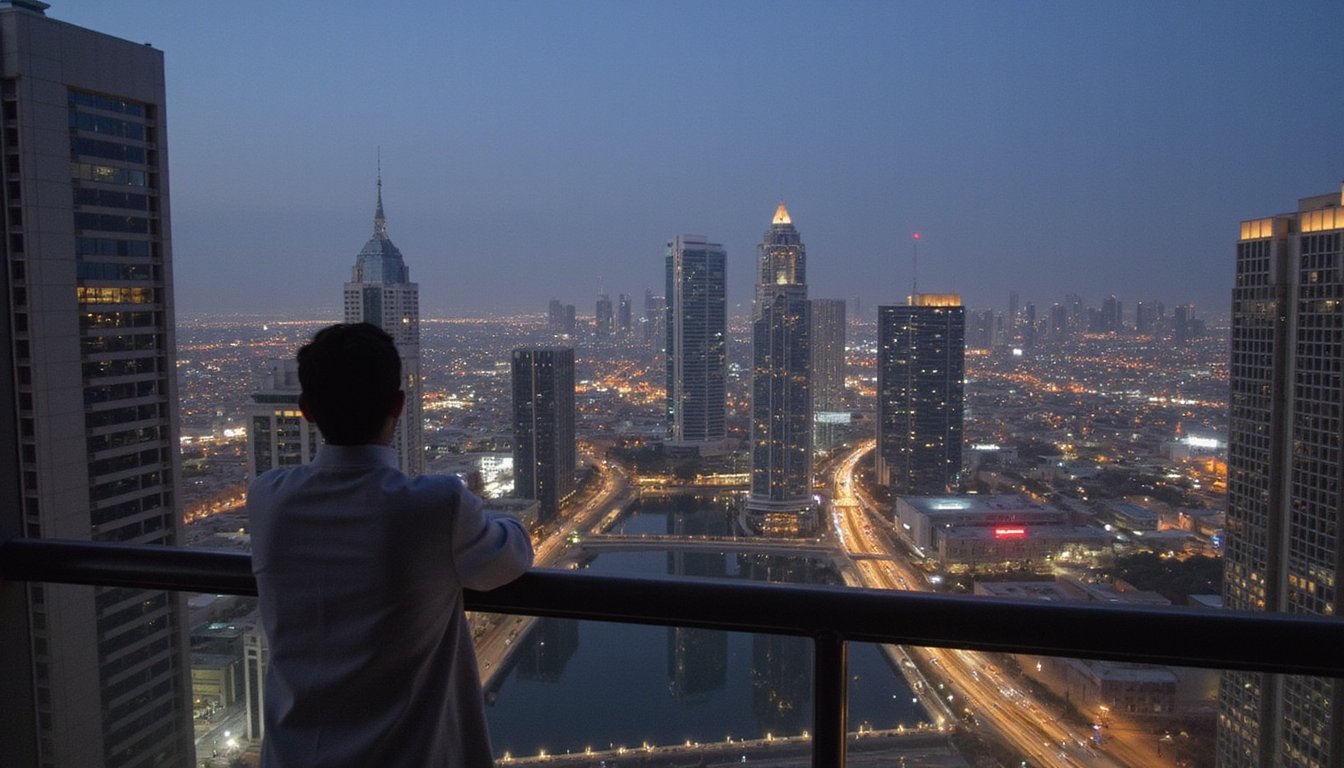
Medical professionals relocating to Dubai can expect an exceptionally high standard of living, characterized by tax-free salaries, world-class amenities, and a cosmopolitan lifestyle. You’ll find yourself immersed in a city that boasts state-of-the-art healthcare facilities and a vibrant social scene. Doctors can look forward to comprehensive benefits, including 30 days paid leave and annual flight tickets to their home country. With 2.912 physicians per 1,000 people in the UAE, the medical community offers strong professional networking opportunities. Physicians practicing disciplined financial habits can achieve significant savings rates of 30-50% of their gross income.
Key lifestyle aspects you’ll experience include:
- Tax-free monthly earnings ranging from AED 25,000-90,000+, depending on your specialization
- Premium housing options near medical hubs, with rents varying from AED 70,000-300,000 annually
- Outstanding international schools for families, though fees can be substantial
- World-class entertainment, shopping, and dining experiences
- Safe living environment with excellent public transportation
While living costs can be significant, particularly in prime areas like Jumeirah and Dubai Marina, strategic location choices and financial planning can help you maximize your earning potential while enjoying Dubai’s exceptional quality of life.
Leading Healthcare Institutions and Employment Networks
As a doctor seeking employment in Dubai, you’ll find opportunities across both government-operated facilities like the prestigious Rashid Hospital and private healthcare networks, including American Hospital Dubai and Mediclinic City Hospital. Dubai’s public healthcare system, managed by the Dubai Health Authority (DHA), offers structured career advancement and all-encompassing benefits, while private institutions like Saudi German Hospital and Canadian Specialist Hospital provide competitive packages with greater scheduling flexibility. You can choose between joining established medical centers with extensive specializations and state-of-the-art technology, or exploring positions within expanding healthcare groups that are actively developing new facilities across the emirate. At Rashid Hospital, doctors can gain experience at one of the top 10 trauma centers in MENA and Europe. The renowned Dr. Sulaiman Al-Habib Hospital maintains international standards of quality and clinical excellence, making it an attractive employer for medical professionals.
Public Vs Private Networks
When choosing between Dubai’s healthcare networks, you’ll encounter two distinct systems: the government-operated Dubai Health Authority (DHA) facilities serving primarily Emirati citizens, and an extensive private sector catering to expatriates and medical tourists.
Public-private collaborations are reshaping healthcare infrastructure models, offering diverse career opportunities across both sectors. You’ll find significant differences in workplace dynamics and patient demographics:
- Public facilities focus on serving Emiratis with government-funded care and advanced specialty treatments
- Private networks offer higher compensation and faster career advancement through 130+ facilities
- Healthcare spending grows faster in private sector (9.5%) compared to public (4.4%)
- Public-private partnerships provide innovative joint management opportunities
- Digital integration and smart healthcare initiatives exist across both networks, enhancing practice efficiency
Top Medical Employers
Dubai’s leading healthcare employers represent a diverse ecosystem of world-class institutions and innovative companies. You’ll find prestigious facilities like Cleveland Clinic Abu Dhabi and Mediclinic City Hospital offering advanced patient care environments and cutting-edge medical technologies. These institutions actively participate in upcoming healthcare initiatives and regional medical innovations.
In the pharmaceutical sector, global leaders such as Pfizer, AstraZeneca, and Roche provide opportunities in both clinical practice and research. You’ll also discover emerging players in healthcare technology, like Kyurius Technologies and Live Long Genetics, which are transforming digital healthcare delivery. For administrative roles, companies like Helpware CX and ACCUMED offer specialized positions in medical billing and healthcare support services. To connect with these employers, you can utilize platforms like docdocjob or attend medical conferences for direct recruitment opportunities.
Frequently Asked Questions
How Long Does the DHA Licensing Process Typically Take From Application to Approval?
You’ll typically need 2-3 months for the complete DHA licensing process, though application processing time can vary. The procedure starts with a 30-45 day DataFlow verification, followed by DHA’s 5-day eligibility review. After passing your Prometric exam and receiving results within 10 days, you’ll wait another 2-4 weeks for final license activation. The licensing procedure complexity means timelines may extend if you need document clarifications or exam retakes.
Are Medical Malpractice Insurance Costs Covered by Hospitals in Dubai?
Yes, most Dubai hospitals typically cover medical malpractice insurance costs through group policies for their full-time staff. You’ll find this coverage included in your employment contract. However, if you’re working part-time, as a visiting consultant, or across multiple facilities, you might need to arrange your own insurance plan options. It is imperative to verify your medical malpractice coverage details with HR and confirm which services are included under the hospital’s policy.
What Is the Average Patient Load per Doctor in Dubai Hospitals?
You’ll typically handle between 250-400 patients annually in government hospitals, while private facilities may have lower volumes. Be prepared for high patient turnover, especially in public hospitals where you’ll see considerably more daily cases. This affects average patient wait times and doctor work life balance, particularly in government facilities where the workload is heavier. The distribution varies based on your specialty and whether you’re working in public or private healthcare settings.
Do Dubai Hospitals Provide Language Support for Non-Arabic Speaking Doctors?
Yes, you’ll find extensive language support in Dubai hospitals. You’ll have access to trained interpreters for multiple languages, including Arabic, English, Hindi, Urdu, Tagalog, and Russian. The availability of translation services extends to both in-person and remote consultations. You’ll also receive cultural awareness training to help you navigate patient interactions effectively. Most hospitals provide 24/7 interpretation services, including document translation for medical reports, prescriptions, and consent forms.
How Difficult Is It to Transfer Medical Credentials Between Emirates?
While license portability exists between Emirates, you’ll find the transfer process moderately complex. You’ll need a valid license, recent Good Standing Certificate, and verified DataFlow report. Credential recognition varies by authority, with specific waiting periods (3-6 months) before you can transfer. Expect processing times of 2-8 weeks, and you’ll encounter different requirements for each Emirate. Keep your documentation current to avoid delays.