You’ll find Dubai’s healthcare system offers world-class medical facilities with cutting-edge technology and AI-powered solutions. Most providers speak English and Arabic, ensuring clear communication for expats. While private facilities deliver high-quality care meeting international standards, your access and costs will depend heavily on your insurance coverage level. Wait times can exceed 16 minutes, and specialist appointments may require patience. Understanding the system’s complexities will help you navigate its advantages and limitations effectively.
What makes a top Dubai clinic often includes a combination of expert staff, advanced facilities, and personalized patient care. Additionally, many top clinics prioritize continuing education for their medical teams, ensuring they stay up-to-date with the latest advancements in healthcare. A Dubai emergency healthcare guide can provide valuable insights into how to access medical assistance swiftly in times of need. It’s important to familiarize yourself with the local emergency numbers and nearby facilities for critical situations.
State-of-the-Art Medical Facilities and Technology
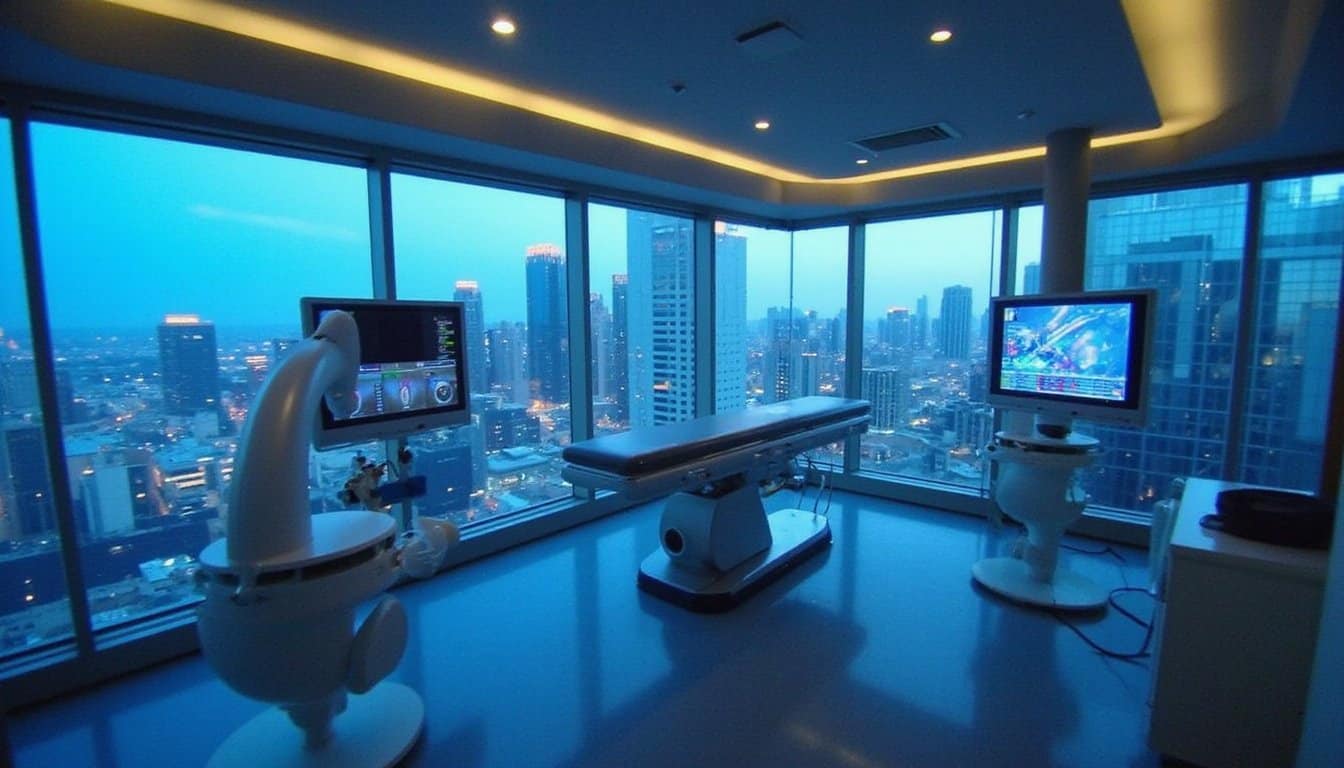
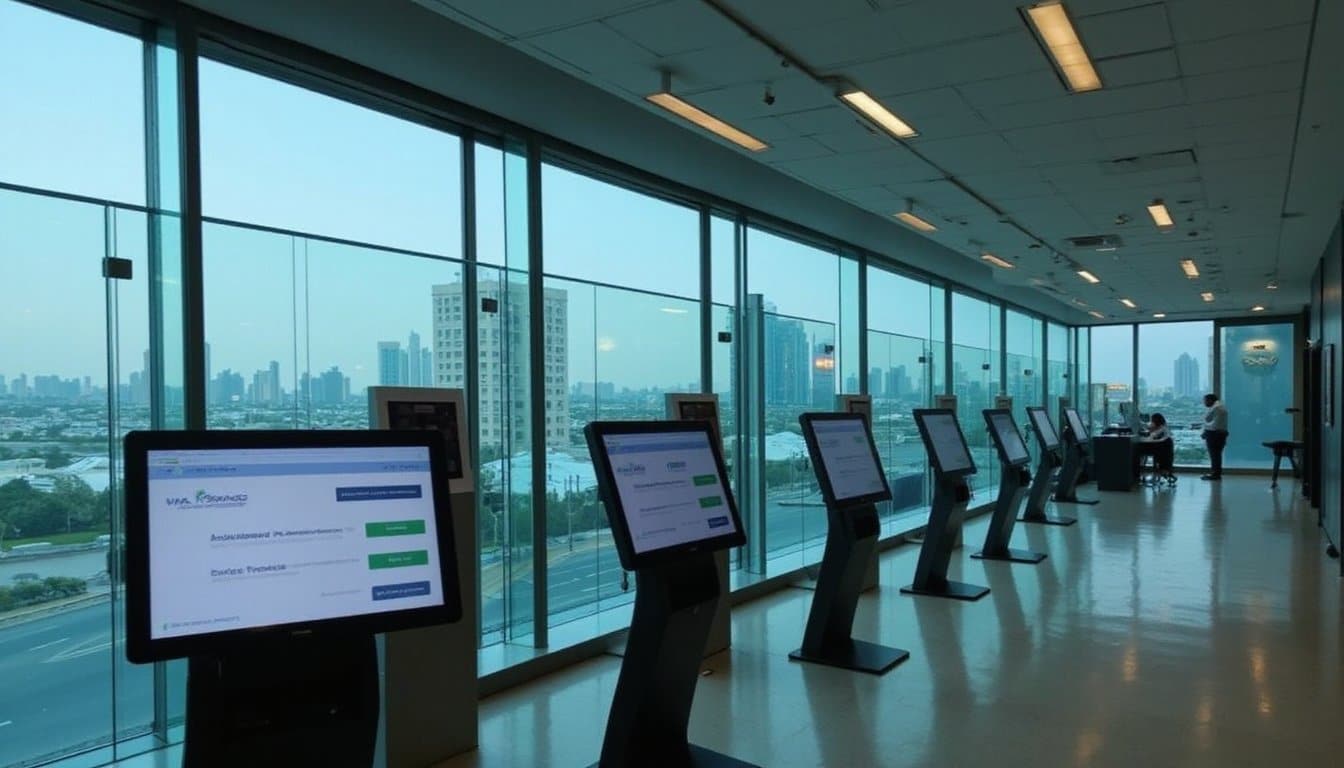
As Dubai continues to position itself as a global healthcare hub, its medical facilities and technology infrastructure have undergone remarkable transformation. You’ll find cutting-edge medical innovations throughout the emirate’s healthcare system, from AI-powered clinical decision support to advanced robotic surgeries at facilities like Cleveland Clinic Abu Dhabi. Telemedicine integration has significantly enhanced real-time interactions between patients and healthcare providers. A remarkable 95% of residents believe technology enables more efficient health management in the UAE.
The city’s technology advancements are evident in its extensive digital health ecosystem, valued at $619.3 million in 2023. You’ll benefit from integrated electronic health records through the Salama system in public hospitals, while platforms like Malaffi guarantee your medical data is accessible across facilities. The National Reference Laboratory’s capability to conduct over 4,700 specialized tests demonstrates Dubai’s commitment to precision medicine. These developments, combined with AI-driven diagnostics and teleradiology services, place Dubai at the forefront of healthcare innovation. All medical facilities are protected by enhanced security measures to ensure patient data remains safe and confidential.
Communication Experience With Healthcare Providers
When seeking healthcare in Dubai, you’ll encounter a complex communication landscape shaped by the emirate’s multicultural environment. You’ll find that private healthcare facilities typically offer strong English language proficiency, with many providers declaring competencies in both English and Arabic. These facilities often maintain dedicated international departments to serve expat needs. The presence of advanced technology systems makes diagnosis and treatment discussions more comprehensive. Clear communication between doctors and patients has been shown to significantly improve healthcare outcomes.
While cultural barriers can present challenges, you’ll benefit from a diverse practitioner base and available translation services. Private providers typically explain diagnoses and treatment plans clearly, often providing written instructions in multiple languages. High standards are maintained through strict DHA regulations across all facilities. However, be aware that wait times and emergency situations may impact communication quality. To optimize your experience, you can choose providers matching your language preferences through international insurance networks, and utilize emerging tech solutions like translation apps when needed.
Health Insurance Coverage and Cost Analysis
Three key aspects define Dubai’s health insurance landscape: mandatory coverage requirements, tiered plan structures, and varying cost frameworks. You’ll find that insurance plan types range from basic coverage at AED 320 annually to premium options exceeding AED 20,000, with employers required to provide basic health insurance for private sector employees starting January 2025. As part of the private healthcare sector, expats can access English-speaking medical professionals and specialized treatments at renowned facilities. The new basic insurance package includes inpatient care coverage with a 20% co-payment up to AED 500 per visit. Family health insurance options provide comprehensive coverage with complete packages starting from AED 17,000 annually for a family of four.
Coverage affordability varies considerably based on your circumstances. While basic plans cover essential services like emergency care and outpatient visits, extensive packages include additional benefits such as maternity care and mental health services. Your costs will depend on factors including age, pre-existing conditions, and emirate of residence. When selecting a plan, you’ll need to take into account your specific healthcare needs, preferred provider network, and whether you require international coverage or local-only options.
Treatment Access and Waiting Times
Dubai’s healthcare system faces significant capacity challenges that directly impact treatment access and waiting times. You’ll find treatment accessibility varies across facilities, with primary healthcare centers handling over 140,000 monthly visits while struggling with a 21% no-show rate. Recent implementation of AI-based solutions has achieved a 50.7% reduction in missed appointments. Population growth of 3.9% annually significantly strains healthcare delivery, far exceeding the global average of 1.1%. The system requires an additional 1,590 acute beds by 2030 to meet growing demand.
Patient navigation through the system can be complex, with average physician wait times exceeding 16 minutes. You’re likely to experience more pronounced delays in specific areas due to projected deficits, including 629 consultation rooms by 2025 and 2,183 by 2030. The system’s strain is particularly evident in emergency departments, which are evolving from a surplus to a deficit of 61 bays by 2030. To address these challenges, healthcare facilities are implementing AI-driven solutions for appointment scheduling and patient engagement, though regional disparities in resource allocation continue to affect service delivery.
Patient Care Standards and Satisfaction Levels

Despite significant healthcare investments, the UAE’s commitment to excellence has positioned it as a global leader in accredited medical facilities, backed by a substantial AED 5.745 billion federal budget allocation for 2025. As an expat, you’ll experience care quality that meets international standards, supported by advanced AI diagnostics and extensive digital health systems. The UAE’s achievement of ranking top 10 globally in 21 health indicators demonstrates its world-class healthcare delivery. The presence of major healthcare providers like NMC Healthcare and Mediclinic International ensures access to diverse, high-quality medical services. The country’s network of over 5,000 facilities provides comprehensive coverage across various medical specialties.
Patient feedback consistently highlights the advantages of multilingual support and specialized medical services in urban centers. You’ll benefit from strict professional standards and regulatory frameworks that guarantee high-quality care across both public and private facilities. The integration of telemedicine and preventive health services through initiatives like EJADA has enhanced accessibility and satisfaction levels. With planned investments of AED 151 billion by 2029, you can expect continuous improvements in infrastructure and service delivery throughout Dubai’s healthcare system.
Healthcare System Limitations and Gaps
While Dubai’s healthcare system offers extensive basic coverage, you’ll find significant gaps in coverage for complex conditions like cancer treatments and specialized care that often exceed the AED 150,000 annual limit. You may experience extended wait times for specialist appointments, particularly in facilities serving densely populated areas where the provider-to-patient ratio remains challenging. Despite mandatory health insurance requirements, you’re likely to encounter access barriers if you’re among lower-income expatriates, as the 20-30% copayments for hospital visits and medications can create substantial financial burdens. The situation is particularly concerning since failing to maintain proper health insurance coverage can result in monthly fines for both individuals and companies operating in the emirate. The cost of medical treatment in Dubai for non-residents can be notably high, especially without comprehensive insurance plans. Many non-residents may find themselves paying out-of-pocket for treatments that can quickly escalate into substantial expenses.
Coverage for Complex Conditions
Analyzing Dubai’s healthcare system reveals considerable coverage gaps for complex medical conditions, particularly in the domain of specialized and chronic care management. You’ll find that while basic coverage is widespread, insurance limitations often affect access to advanced therapies and experimental treatments.
Despite mandatory insurance implementation, you’re likely to face challenges if you need long-term care for chronic diseases. Insurance coverage gaps are especially evident in mental health services and specialized treatments, where you might encounter high out-of-pocket costs. Data shows that while medical goods utilization has increased, sustained specialty care remains limited. You’ll also notice disparities between Dubai and Northern Emirates, where facility distribution and insurance requirements differ considerably. If you’re dealing with complex conditions, you’ll need to carefully review your policy’s annual limits and preauthorization requirements.
Wait Times Need Improvement
Beyond coverage challenges, Dubai’s healthcare system faces significant operational hurdles in managing patient wait times. With over 140,000 monthly visits to primary healthcare centers, you’ll encounter average wait times exceeding 16 minutes, largely due to high patient turnover and resource allocation issues.
A major factor affecting scheduling reliability is the 21% no-show impact, creating unused appointment slots that strain the system’s efficiency. While technological solutions like AI-powered dashboards and PIMS have shown promise, reducing administrative costs by 20%, persistent staffing shortages and resource distribution challenges continue to affect service delivery. You’ll find that 70% of patients prefer facilities with online scheduling portals, yet manual reminder systems remain in use. The NPHIES platform’s implementation has demonstrated potential, cutting wait times by 20% in pilot locations.
Low-Income Healthcare Access
Despite Dubai’s advanced healthcare infrastructure, significant barriers restrict healthcare access for low-income residents, particularly expatriates. Limited health literacy and complex documentation requirements often prevent many from accessing affordable treatments in public facilities, forcing reliance on costly private care.
Key challenges you’ll face as a low-income expat include:
- Mandatory private insurance with high co-insurance rates and coverage caps that increase out-of-pocket expenses
- Restricted access to subsidized public healthcare due to strict eligibility requirements and language barriers
- Basic insurance plans that exclude essential services like dental care, vision coverage, and chronic condition management
The financial burden becomes particularly evident when seeking specialist care, as many procedures require private referrals and aren’t covered by standard insurance packages. This creates a significant gap in healthcare accessibility for Dubai’s lower-income workforce. Dubai medical bills for people without residency can quickly escalate, leaving many individuals unable to afford necessary treatments. This predicament highlights the urgent need for systemic reforms to ensure that healthcare is accessible to every resident, regardless of their status.
Ready to Take Your Career to Dubai?
Building a medical career in the UAE raises a lot of questions, and it helps to have someone who knows the answers. At Allocation Assist, we help doctors at every point of the process, from reading up in Working as a Doctor in the UAE: A Guide to practical support with our DHA license consultancy. If you would like to talk it through, you can book a free consultation.
Frequently Asked Questions
How Safe Are Dental Procedures in Dubai Compared to Western Countries?
You’ll find Dubai’s dental safety standards largely match Western benchmarks, especially in premium and organized clinics following North American protocols. You’re protected by DHA’s strict regulations requiring standardized sterilization, mandatory PPE, and advanced infection control measures. However, you should be cautious with budget clinics, as they may not maintain the same rigorous standards. Leading facilities use comparable technology and safety protocols to what you’d expect in Western countries.
Can Expats Choose Their Preferred Doctors in Public Healthcare Facilities?
You’ll face significant limitations when it comes to doctor selection in Dubai’s public healthcare facilities. As an expat, you can’t freely choose your preferred doctors since the system typically assigns physicians based on availability. You’ll need valid residence visas and Emirates IDs to access public healthcare, and even then, the facilities prioritize Emirati citizens. That’s why most expats opt for private healthcare, where you’ll have more flexibility in choosing your doctors.
Are Home Healthcare Services Readily Available for Elderly Expat Residents?
Yes, you’ll find home healthcare services available for elderly expats in the UAE, though access may be limited. Over 80 licensed providers offer home care services, with 50 actively operating in Abu Dhabi and Dubai, serving around 1,400 patients. While Dubai Health Authority provides geriatric assessments and elderly support services, you should note there are only 21 geriatricians nationwide. Post-COVID, there’s been increased focus on home care options for aging residents.
What Vaccination Requirements Exist for Expat Children Attending Dubai Schools?
You’ll need to follow UAE’s mandatory vaccination schedules for your children’s school enrollment in Dubai. These include essential vaccines from birth through Grade 11, following DHA guidelines. You must submit immunization records with specific requirements at Grades 1, 9, and 11, including vaccines like DTaP, OPV, and MMR. Don’t forget to update your child’s status on the AlHosn app, as it’s now required for school entry.
Do Dubai Hospitals Offer Specialized Pediatric Emergency Care Services?
Yes, Dubai’s hospitals offer extensive pediatric emergency services with specialized care teams. You’ll find dedicated pediatric emergency departments equipped with state-of-the-art facilities and staffed by trained pediatric specialists available 24/7. These specialized services include treatment for respiratory emergencies, trauma care, and critical illnesses. You can access child-friendly emergency rooms designed to reduce anxiety, and many facilities offer multilingual staff to guarantee effective communication with expat families.