Key Takeaways
- Dr. Peter Baptista trained in Venezuela and Spain, with additional courses at Stanford University and other centres in the USA, building diverse global clinical experience in ENT and sleep medicine.
- He pioneered transoral robotic surgery for sleep apnea in Spain in 2010 and was the first in Spain to introduce hypoglossal nerve stimulation.
- His relocation to Dubai in April 2022 was driven by the opportunity to build up the ENT department at Al Zahra Hospital, financial considerations, including the UAE’s tax-free income, and family priorities.
- He utilises drug-induced sleep endoscopy to personalise surgical interventions and also performs minimally invasive balloon sinuplasty for chronic sinusitis.
- He has authored two books on obstructive sleep apnea and maintains an active role in teaching and international conferences.
A Global Career Across Venezuela, Spain, and Beyond
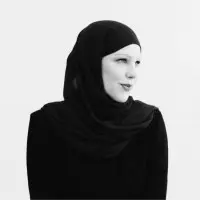
Dr. Peter Baptista was born and grew up in Venezuela, South America. His parents, who are of British and Portuguese heritage, moved to Venezuela after World War 2, when the country was undergoing an economic boom. After completing medical school in Caracas, he underwent specialist training at the University Hospital in Navarra (Clinica Universidad de Navarra) in Spain.
He then returned to Caracas, where he worked at the University Hospital and also built up his private practice in ENT Head and Neck Surgery for 11 years. During this time, he did extensive endoscopic sinus surgery and also started treatment of sleep apnea. He was able to attend courses in the USA regularly, as Miami was only a few hours away by flight.
In 2004, he received a call from the University Hospital in Spain, where he had trained, inviting him to take up a consultant post there. He decided to move back to Spain as a family. It was in Spain that he further developed his practice of obstructive sleep apnea surgery. He also attended courses at Stanford University in the USA. At the University Hospital in Navarra, he established a centre of excellence for sleep apnea, training other surgeons, especially for endoscopic sinus surgery.
Developing Specialisation in Sleep Apnea Treatment
Sleep-disordered breathing has a high prevalence and is often not well understood. Many patients do not realise that they have obstructive sleep apnea, and it can be dismissed as “just snoring.” If left untreated, this condition can lead to increased blood pressure, high blood sugar and high cholesterol levels, known as metabolic syndrome. This increases the risk of heart disease, stroke and type 2 diabetes.
Symptoms of sleep apnea include loud snoring, waking up gasping for air, insomnia, daytime tiredness (hypersomnia), mood changes, “morning cloudiness” or headaches. There are many potential causes of sleep apnea. Patients who are obese, especially with excess fat around the neck, are more at risk.
It is important that those with sleep apnea are aware of the condition and have access to the right treatment. The first-line treatment is often the use of a CPAP (continuous positive airway pressure) machine during sleep. But when this is not sufficient, then surgery may be considered.
Sleep-Disordered Breathing in Children
Sleep-disordered breathing is also seen in children. Snoring is not normal for children and therefore should not be ignored. If a child is a mouth-breather, for example, due to enlarged adenoids and tonsils, this can lead to developmental changes, the mandible grows downwards, the midface grows backwards and the neck moves forward. If left untreated, this results in permanent changes in the face.
Dr. Baptista also sees a lot of tongue-ties in both children and adults in Dubai. Tongue-tie affects a child’s developmental progress and can have lasting consequences when left untreated.
Advancing Surgical Innovation in Sleep Medicine
Dr. Baptista has a strong interest in research and innovation. He did his robotic surgery training in Spain, after the hospital there got a robotic surgery system. In 2010, he was the first in Spain to perform transoral robotic surgery for sleep apnea. However, he found that robotic surgery is not suitable for all sleep apnea cases.
He then started looking into new techniques, such as hypoglossal nerve stimulation. He was the first in Spain to introduce this procedure. Hypoglossal nerve stimulation involves implanting a small device, similar to a pacemaker. The device also incorporates a breathing sensor and produces an electrical pulse, when required, that stimulates the hypoglossal nerve, causing the tongue muscles to contract so that the tongue moves forwards, opening the airway and enabling normal breathing. Hypoglossal nerve stimulation has good success rates when used for the right patients. Dr. Baptista hopes to introduce this procedure to Dubai in the future. One challenge is that the technology is expensive and the procedure may not be covered by insurance.
Personalised Diagnostic and Surgical Approach
As with any surgery, it is important to carefully select the best technique for each case, as well as explain the options to patients. With sleep apnea, the cause of snoring and any obstruction must first be investigated. For this, Dr. Baptista performs diagnostic drug-induced sleep endoscopy (DISE). This procedure involves giving sedation to induce a light sleep, as close as possible to natural sleep, and then using an endoscope to investigate where any obstruction of the airway is occurring.
For chronic sinusitis, he also regularly performs minimally invasive balloon sinuplasty, in addition to endoscopic sinus surgery.
Why Relocate to Dubai
The healthcare sector in the UAE has undergone remarkable growth and development in recent decades. There was an opportunity for Dr. Baptista to bring his skills and experience to Al Zahra Hospital Dubai, to help build up the ENT department, especially in the area of sleep apnea. In April 2022, he made the move.
Another main motivation was for his family. He has three daughters who are now pursuing university studies. In Spain, doctors’ salaries are among the lowest in Europe, and it was not possible to build up savings for the family due to the high cost of living. Apart from the ability to earn more in the UAE, there is no income tax. These financial and lifestyle considerations, combined with Dubai’s modern infrastructure and cosmopolitan environment, created a compelling case for the relocation.
Working in Dubai’s Multicultural Healthcare Environment
Dr. Baptista enjoys working at Al Zahra Hospital. The hospital is very well equipped, with highly experienced doctors and other healthcare professionals from around the world. His patients come from a wide variety of nationalities and ethnicities, which makes his practice more interesting.
He always spends time with patients, helping them to understand their health problems and carefully explaining treatment options, as well as preventive management. Patients have a lot of choice of healthcare providers in Dubai, but he has been able to establish his patient base fairly quickly, building up trust and rapport.
Building a Patient Base and Professional Reputation
Dr. Baptista had previous experience of working in private practice, although he had to get used to a new insurance system in Dubai. He has found that when you spend time with patients, explain things very well, and are honest with them, they trust you and come back.
When starting in a new place, he has found that it is important to make connections with both patients and colleagues, and to be available and flexible. He has also asked patients to submit reviews, such as on Google and other sites, which can be helpful for prospective patients searching online.
Leveraging Digital Presence
Dr. Baptista set up his own website where he shares helpful and informative content and patient testimonials. This helps prospective patients find out about him and his practice, creating a direct channel for those seeking credible clinical guidance in ENT and sleep medicine.
Contributions to Education and Published Work
Dr. Baptista has a passion for teaching and still regularly chairs courses on sleep apnea in Spain, as well as speaking at international conferences. His commitment to education extends beyond the lecture hall into published work.
He has written and edited two books on sleep apnea. The first, “A Patient’s Guide to Obstructive Sleep Apnea Syndrome,” gives a broad overview of obstructive sleep apnea for patients, including symptoms, causes, diagnosis and treatment. He is also a main editor of “Obstructive Sleep Apnea: A Multidisciplinary Approach,” which presents the implications of obstructive sleep apnea across a range of medical specialties, including clinical case reviews. This book serves as a valuable resource for clinicians to gain a greater understanding of the condition, enabling improved evaluation and management for patients with obstructive sleep-disordered breathing.
How Allocation Assist Supports Doctors Moving to the Gulf
As a healthcare jobs consultancy in Dubai, our team has been placing Western-trained doctors in Gulf region hospitals for over 11 years, with relationships at 95+ hospitals across the UAE, Saudi Arabia, and Qatar.
Key Areas of Support
- Hospital matching, based on your subspecialty, case mix, and family priorities.
- DHA, DOH, MOHAP, and SCFHS licensing, including multi-specialty credentialing.
- Contract review and negotiation, including salary, package, and insurance terms.
- Relocation and family logistics, including schooling, housing, and post-arrival support.
- Ongoing peer community, connecting you with doctors who have made the same move.
For hands-on help with your move, explore our DHA license consultancy. To talk through your own move, you can book a free consultation.
Frequently Asked Questions
What is Dr. Peter Baptista’s background and training?
Dr. Baptista completed medical school in Caracas, Venezuela, and underwent specialist training at the University Hospital in Navarra (Clinica Universidad de Navarra) in Spain. He practised ENT Head and Neck Surgery in Venezuela for 11 years before returning to Spain in 2004 to take up a consultant post. He also attended courses at Stanford University and other centres in the USA. He is European board-certified in Otorhinolaryngology and a member of the American Academy of Otolaryngology, Head and Neck Surgery, and the European Sleep Research Society.
What is obstructive sleep apnea, and why is it serious?
Obstructive sleep apnea is a condition where the airway becomes obstructed during sleep, often dismissed as “just snoring.” If left untreated, it can lead to increased blood pressure, high blood sugar, high cholesterol (metabolic syndrome), and increase the risk of heart disease, stroke, and type 2 diabetes. Symptoms include loud snoring, waking up gasping for air, insomnia, daytime tiredness, mood changes, and morning headaches.
What innovative surgical techniques does Dr. Baptista use?
In 2010, he was the first in Spain to perform transoral robotic surgery for sleep apnea. He was also the first in Spain to introduce hypoglossal nerve stimulation, a procedure involving a small implanted device similar to a pacemaker that stimulates the tongue muscles to open the airway. He also performs diagnostic drug-induced sleep endoscopy (DISE) and minimally invasive balloon sinuplasty for chronic sinusitis.
Can children suffer from sleep-disordered breathing?
Yes. Snoring is not normal for children and should not be ignored. Conditions such as enlarged adenoids and tonsils can cause mouth-breathing, which leads to developmental changes, the mandible grows downwards, the midface grows backwards, and the neck moves forward, resulting in permanent facial changes if left untreated. Tongue-tie is another condition seen in both children and adults that can affect development.
Why did Dr. Baptista relocate to Dubai?
He relocated in April 2022 to Al Zahra Hospital in Dubai. His motivations included the opportunity to build up the ENT department in the area of sleep apnea, the UAE’s tax-free income structure, and his family, he has three daughters pursuing university studies, and doctors’ salaries in Spain are among the lowest in Europe, making it difficult to build savings.
How did Dr. Baptista build his patient base in Dubai so quickly?
He drew on his previous private practice experience, spent time with patients explaining things thoroughly and honestly, and made connections with both patients and colleagues. He also encouraged patients to submit reviews on Google and other platforms, and set up his own website (entspecialistdubai.com) with informative content and patient testimonials.
What books has Dr. Baptista published?
He has written and edited two books: “A Patient’s Guide to Obstructive Sleep Apnea Syndrome,” which provides a broad overview for patients, including symptoms, causes, diagnosis, and treatment; and “Obstructive Sleep Apnea: A Multidisciplinary Approach,” which covers the implications of the condition across a range of medical specialties with clinical case reviews.
How does Allocation Assist help doctors relocate to the UAE?
Allocation Assist supports medical professionals through the entire relocation process, including licensing and credentialing navigation, matching specialists with suitable positions aligned to their expertise, and coordinating family relocation logistics. They also maintain ongoing relationships with relocated doctors, following their experiences and achievements.