Dubai’s healthcare sector offers you extensive career opportunities in 2025, with a strong 14% annual growth rate across both government and private facilities. You’ll find high demand for specialists in cardiology, orthopedics, pediatrics, and digital health technologies. To qualify, you’ll need a recognized medical degree, valid license, and minimum 2 years of clinical experience. The DHA’s Sheryan portal streamlines your application process, while complete benefits and multicultural work environments await your exploration.
Current Healthcare Job Market Overview in Dubai

Dubai’s healthcare sector is experiencing unprecedented growth, with a remarkable 14% annual expansion rate that outpaces other industries. You’ll find extensive opportunities as both government and private healthcare providers rapidly expand their facilities and workforce. Recent policy updates have created a more structured recruitment environment through the DHA’s Sheryan portal and Opportunities Platform. The platform actively works to prevent fake recruitment through its integrated verification system.
The market particularly seeks professionals in specialized fields, including radiologists, digital health experts, and medical data analysts. There’s also increasing demand for telemedicine specialists and robotic surgery professionals. The sector has seen healthcare spending double in the past decade, creating numerous job opportunities across all specialties. Workplace diversity is flourishing, with rising female participation across clinical, research, and administrative roles. Entry-level positions require a minimum of 2-5 years experience for most healthcare roles. If you’re bilingual or multilingual, you’ll have an advantage in this growing market, as Dubai strengthens its position as a global healthcare hub through medical tourism initiatives.
Top Medical Specializations in High Demand
The evolving healthcare terrain in Dubai has created distinct opportunities across several medical specializations, with five fields showing exceptional growth and demand. Healthcare opportunities Dubai present an appealing prospect for both local and international professionals. The government’s investment in health infrastructure is a driving force behind this growth.
You’ll find cardiology leading the surge, with interventional specialists commanding premium positions as alternative healthcare models expand. The high prevalence of cardiovascular disease deaths in the GCC region has intensified the need for specialized cardiac care. Orthopedic consultants at Cleveland Clinic Abu Dhabi are experiencing unprecedented demand due to sports medicine growth. Indispensable care medicine has become vital post-pandemic, driving workforce upskilling in ICU management. The pediatrics sector is flourishing due to Dubai’s young demographic shifts, while dermatology offers lucrative prospects, especially in aesthetic medicine where specialists can earn over AED 100,000 monthly. Radiology completes the top five, with increasing demand for expertise in advanced imaging technologies. The implementation of Vision 2030 has accelerated the expansion of medical facilities, creating numerous positions for qualified healthcare professionals.
These specializations reflect Dubai’s commitment to healthcare excellence, offering you opportunities to practice cutting-edge medicine while advancing your career in a globally competitive market.
Essential Qualifications and Licensing Requirements
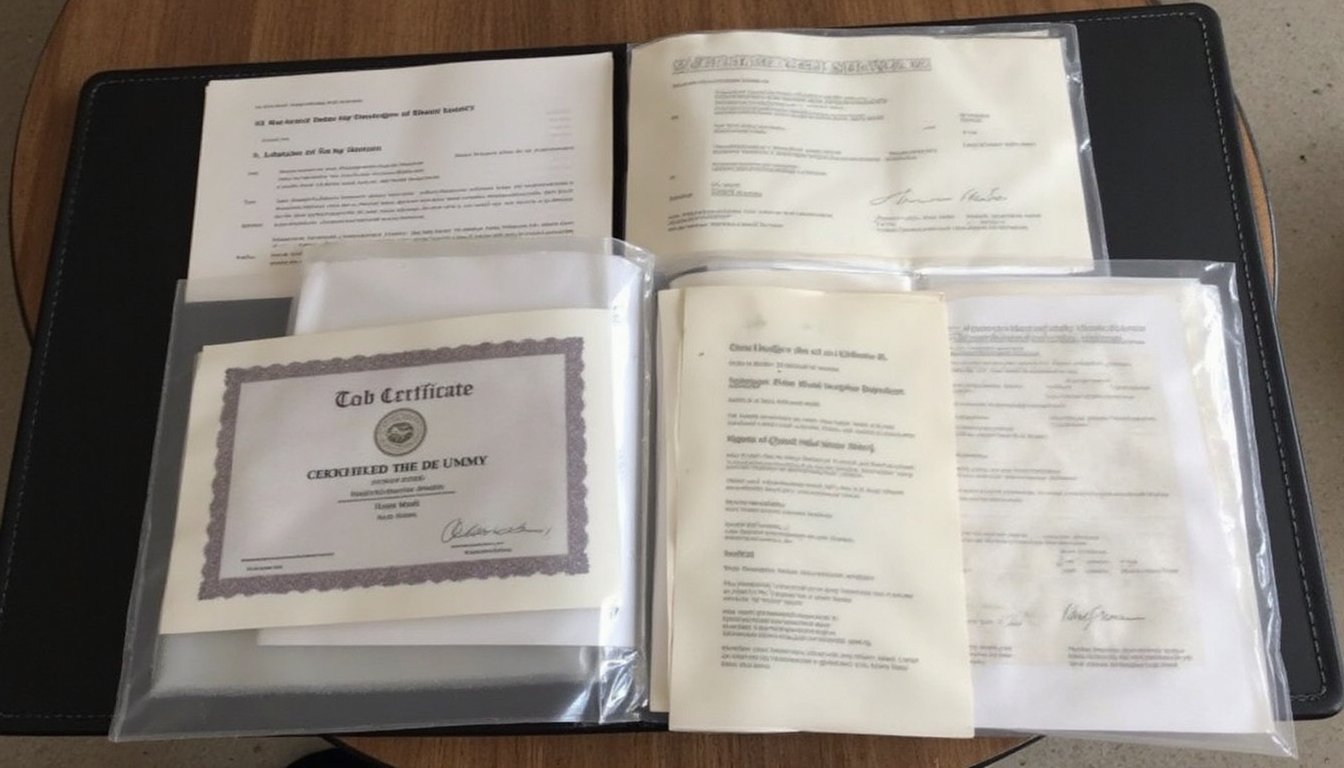
Working as a healthcare professional in Dubai requires traversing a detailed licensing process through the Dubai Health Authority (DHA). You’ll need to hold a recognized medical degree, valid professional license from your current country, and at least two years of clinical experience. The practical challenges include completing Primary Source Verification through Dataflow and potentially taking computer-based tests depending on your role. Healthcare professionals must apply through the Sheryan Portal to initiate their licensing journey. Candidates benefit from utilizing dedicated licensing teams who understand the complex registration requirements and market dynamics. Healthcare professionals must obtain security approval from MOHAP by submitting their Introductory Statement and identification documents.
The application process timeline typically spans 3-6 months, though it may extend to 9-12 months if additional exams are required. You’ll need to submit extensive documentation, including academic transcripts, experience certificates, and proof of internship for doctors. Keep in mind that your DHA license will be valid for one year and must be activated by your hiring facility before you can begin clinical work.
Salary Packages and Benefits for Healthcare Workers
Healthcare professionals in Dubai can expect competitive compensation packages that vary considerably based on specialization, experience, and facility type. As a consultant specialist, you’ll earn between AED 45,000-90,000 monthly, while hospital specialists typically receive AED 35,000-60,000. General practitioners and specialist nurses can expect AED 25,000-40,000 and AED 12,000-20,000, respectively. The salary range for healthcare workers typically falls within the upper half of Dubai’s overall income distribution.
Beyond base salaries, you’ll benefit from tax-free income, employer-provided health insurance, and housing allowances. Private sector positions often offer supplementary packages to attract skilled talent pipeline, particularly in specialized fields like cardiology and oncology. Your compensation may include annual flight allowances, transportation benefits, and visa sponsorship. Dubai’s expanding healthcare system features over 4,000 healthcare facilities offering diverse employment opportunities. Furthermore, you’re entitled to annual retirement benefits as mandated by UAE labor law, calculated based on your years of service.
Career Growth Opportunities in Dubai’s Medical Sector
Dubai’s medical sector presents numerous pathways for career advancement, driven by the emirate’s ambitious healthcare transformation initiatives and growing medical tourism industry. You’ll find expanding opportunities in specialized fields like cardiology, neurology, and personalized medicine, while professional mobility trends favor those with expertise in digital health and AI applications. The sector offers excellent financial rewards with tax-free salaries for qualified medical professionals. The expanding healthcare sector has created high demand for telemedicine experts and clinical researchers across the emirate.
To accelerate your career growth, you’ll need to prioritize ongoing skills development through DHA-approved certifications and specialized training. The sector’s transformation has created leadership positions in hospital administration, academic research, and clinical innovation. Doctors aspiring to consultant positions must obtain board certification to qualify for senior roles. You can advance by pursuing roles in emerging areas like health informatics, telemedicine, or genetic counseling. Dubai’s multicultural healthcare environment, representing over 50 nationalities, offers you diverse networking opportunities and international exposure through conferences and research collaborations.
Private Vs Public Healthcare Employment Options
Two distinct pathways define your employment options in Dubai’s medical sector: the private sector, commanding 48% of healthcare spending and known for its rapid-paced environment, and the public sector, backed by substantial government funding and improved job security.
Dubai’s healthcare landscape offers two paths: a fast-paced private sector and a government-backed public sector, each with distinct advantages for medical professionals.
Your employment progression prospects vary greatly between sectors. Private facilities offer competitive salaries, especially in specialized roles, with international staffing diversity fostered through tech-driven operations and medical tourism demands. Public institutions, governed by DHA standards, provide all-encompassing benefits and pension access, though with longer wait times and higher patient volumes. Healthcare professionals can expect a 12% surge in regional compensation packages, reflecting the sector’s robust growth.
- Experience cutting-edge AI-driven healthcare systems in private facilities
- Join a multicultural team serving Dubai’s growing global patient base
- Benefit from strong government support and stability in public institutions
The choice ultimately depends on your career priorities and preferred work environment.
Step-by-Step Guide to Securing Medical Jobs
To begin your medical career in Dubai, you’ll need to secure your DHA license through the Sheryan portal and complete the DataFlow verification process, which typically takes 6-12 weeks. Your professional credentials must meet minimum qualifications (such as MBBS for doctors or B.Sc. for nurses) and include 2-5 years of clinical experience, along with officially translated documentation. Once licensed, you can pursue opportunities through DHA-approved healthcare facilities, reputable job portals, and licensed recruitment agencies while being vigilant about potential employment scams.
Navigating License Requirements First
Medical professionals looking to kickstart their healthcare careers in Dubai must initially navigate a thorough licensing process through the Dubai Health Authority (DHA). By streamlining credential verification early, you’ll need to prepare your educational certificates, work experience letters, and valid professional license from your home country. Understanding examination protocols is pivotal, as you’ll face a computer-based test with a 60% passing threshold at Prometric centers worldwide.
- Your medical degree must be DHA-recognized, backed by minimum two years of clinical experience
- You’ll need to complete Primary Source Verification through DataFlow, costing AED 3,000 for doctors
- You can’t have gaps in clinical practice exceeding two years without supplementary documentation
The entire process typically takes 1-2 weeks post-successful examination and document verification, leading to a one-year renewable license.
Finding Right Recruitment Channels
Most Dubai hospitals post vacancies on their own careers pages and on LinkedIn, and government roles at DHA hospitals such as Rashid Hospital are advertised through the DHA. Doctor roles with visa sponsorship are also listed on the Allocation Assist job listings page.
A consultancy that handles both licensing and job search can shorten the gap between getting licensed and starting work. Allocation Assist handles DHA licensing and helps doctors secure roles with Dubai hospital groups, including contract review before you sign.
Optimize your networking strategies through UAE medical associations and professional groups. Connect with employed international medical staff and attend industry conferences to establish connections. Verify every offer through the hospital itself, and walk away from anyone asking you to pay for a job: UAE Labour Law does not allow employers or intermediaries to charge workers recruitment fees.
Digital Health and Technology Roles
Dubai’s thriving digital health sector presents unprecedented opportunities for tech professionals seeking healthcare careers. With the market expected to reach USD 619.3M in 2023 and growing at 23.3% annually, you’ll find essential demand across healthcare innovation centers and tech talent retention strategies. Career growth in Dubai’s healthcare sector is driven by advancements in technology and a focus on patient-centered care. Many companies are investing heavily in talent development programs to ensure their workforce is equipped with the latest skills.
Dubai’s digital health boom creates a wealth of tech career opportunities, with the market surging past $600M and growing rapidly.
- AI and machine learning specialists can command impressive salaries of AED 20K-60K monthly, with opportunities in diagnostic platforms and smart hospital systems
- Data analysts and health IT project managers are pivotal for managing the emirate’s expanding digital health infrastructure, connecting over 3,000 facilities
- Telemedicine practitioners and digital health specialists benefit from UAE’s commitment to virtual care integration
You’ll need expertise in Python, cloud computing, and telehealth platforms, along with an understanding of healthcare regulations. The sector offers strong career progression, with 28% of companies planning tech team expansions in 2025.
Medical Tourism Impact on Job Opportunities
Medical tourism adds demand in some specialties. Dubai received more than 691,000 health tourists in 2023, who spent over AED 1.03 billion on healthcare; the most requested services were dentistry (29%), dermatology (27%) and gynaecology (13%).
| Specialty Area | Key Requirements |
|---|---|
| Orthopedics | Advanced surgical skills + Arabic/English fluency |
| Cosmetic Surgery | International certification + Cultural sensitivity |
| Cardiac Care | Specialized expertise + Multilingual abilities |
| Rehabilitation | Post-operative care experience + Patient communication |
| Geriatric Care | Senior care expertise + Cross-cultural knowledge |
You’ll benefit from Dubai’s expanding healthcare infrastructure, with new roles emerging in specialty clinics and wellness centers. The sector’s growth from USD 367.41M to USD 889.97M by 2032 guarantees sustained demand for internationally qualified professionals who can deliver culturally competent care. Healthcare careers in Dubai offer a wide range of opportunities for those looking to make a significant impact. As the city continues to attract top talents and innovations in the medical field, aspiring professionals must stay informed about the latest trends and regulations.
Documentation and Verification Process
Securing a healthcare position in Dubai requires traversing a thorough documentation and verification process. You’ll need to prepare a complete credential documentation checklist, including your valid passport, educational certificates, and professional licenses. DataFlow Group carries out the primary source verification (PSV), contacting your university, licensing bodies and past employers directly to confirm each document.
You create accounts on both Sheryan and DataFlow. The documents for DataFlow verification guide lists what each employer and university will be asked to confirm.
Getting Licensed and Hired in Dubai
Allocation Assist is a Gulf medical licensing and job consultancy. It handles DHA licensing and helps doctors secure roles across Dubai’s private and government hospitals. Working as a Doctor in the UAE: A Guide covers the full move, from licensing to your first contract, and the team can be reached through the contact page.
Frequently Asked Questions
What Are the Working Hours and Shift Patterns for Healthcare Staff in Dubai?
Under the UAE Labour Law, private sector staff work up to 8 hours a day or 48 hours a week, with overtime limited to 2 extra hours a day. Overtime is paid at basic hourly pay plus 25%, rising to 50% for hours between 10pm and 4am. If you work five consecutive hours you are entitled to breaks totalling at least one hour. Hospitals set their own rotas, so confirm your shift pattern and on-call duties in the contract; government employers follow their own HR rules.
Can Medical Professionals Bring Their Families During the Employment Period?
Yes. An expatriate resident can sponsor a spouse and children with a minimum salary of AED 4,000 a month, or AED 3,000 plus accommodation. You need your own residence visa first, then documents such as your attested marriage certificate, children’s birth certificates and employment contract. Spouse visa and residency steps covers the process for doctors.
Are There Language Requirements Besides English for Healthcare Positions?
The UAE licensing exams are conducted in English, and no translator is allowed in oral exams. Arabic is not part of licensing, although some employers, especially for public sector and patient-facing roles, list it as an advantage. Speaking other languages common among Dubai’s patients can also help at interview. Do you need Arabic to practise medicine in the UAE? covers this in more detail.
What Happens if I Need to Break My Contract Early?
Under the UAE Labour Law, notice periods are agreed in the contract, typically 30, 60 or 90 days, and apply equally to both sides. During probation, you must give at least one month’s written notice if you are moving to another UAE employer, or at least 14 days if you are leaving the country. Leaving without the required notice to join another employer can bring a one-year ban on a new work permit, and any compensation for recruitment costs is agreed between the employers. Check the termination clause before you sign.
Do Hospitals Provide Temporary Accommodation During the Initial Relocation Period?
Many employers offer temporary housing, such as a hotel or furnished staff accommodation, while you look for a permanent home, but the length and type vary by employer and are not set by law. Get the duration and any housing allowance written into your offer before you accept.
Can Foreigners Get Healthcare Jobs in Dubai?
Yes. Most doctors and nurses in Dubai trained abroad. You need a DHA licence under the Unified PQR, which means primary source verification of your documents and, unless you are exempt, the DHA Prometric exam. Specialists and consultants with a Tier 1 certificate from one of 22 countries, including the UK, USA, Canada, Australia and Ireland, are exempt from the exam.
Do Dubai Hospitals Offer Visa Sponsorship?
Yes. When a Dubai hospital hires you from abroad, it sponsors your employment visa and activates your DHA registration into a licence. UAE Labour Law does not allow employers or intermediaries to charge you recruitment fees for this.
Can US-Trained Healthcare Professionals Work in Dubai?
Yes. A US ABMS board certificate is a Tier 1 qualification under the Unified PQR, so board-certified specialists and consultants are exempt from the DHA exam. GPs are exempt with USMLE Part III. DHA licensing for US doctors sets out the documents and steps.