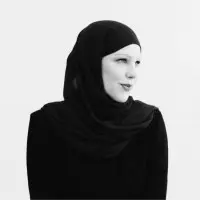
After 20+ years practising in the NHS across England and Scotland, alongside a thriving private practice, Dr Lucy Khan made the move to King’s College Hospital London, Dubai in September 2025. In October 2025 Dr Lucy Khan made headlines across the region as she performed the Middle East’s first mini-SCOUT wire-free breast surgery, the first time this procedure had been done outside the United States.
The Complete Breast Surgery Spectrum
As a consultant oncoplastic and cosmetic breast surgeon, Dr Khan handles everything breast-related. Cancer cases, risk-reducing procedures, benign disease, cosmetic surgery from reductions to augmentations, revisional work, second opinions, and medical-legal cases from her UK practice, a scope of work as broad as the PICU consultant’s Dubai story.
As an oncoplastic breast surgeon with 20+ years of experience, Dr Khan’s approach centres on the whole patient experience. “What I find rewarding is that it’s not just about treating the patient. It’s about caring for the entire family,” she explains. “I see many younger women with breast cancer, and I understand that managing their disease means managing all the other responsibilities that come with being a busy woman.”
This perspective comes from lived experience. With two teenage boys finishing school and preparing for university, and a husband who is also a breast surgeon back in the UK, Dr Lucy knows firsthand about balancing professional demands with family life, a reality she sees mirrored in many of her patients’ lives.
“We’re always used to juggling anyway, both being surgeons,” she says. “It’s a lifestyle thing.”
Beyond Treatment: Life After Cancer
Dr Khan’s philosophy centres on treating the whole patient, not just the disease. She specialises in therapeutic mammaplasty, a technique that removes cancerous tissue while simultaneously reshaping the breast for optimal aesthetics. Often, she will perform a matching reduction or lift on the other breast during the same surgery, ensuring long-term symmetry.
“By the nature of what we do, we already approach surgery from an aesthetic point of view. Scars should be as minimal as possible and well-hidden,” she explains. “Part of my role is making sure patients are connected to the best oncology medications and surgical options available, while also ensuring they look good in the long term and feel confident about their bodies.”
It is this onco-aesthetic approach that allows her patients to maintain self-esteem and positive body image through their recovery and beyond. She is planning for her patients to have long, healthy futures after treatment.
Why Breast Surgery Keeps Getting Better
Ask Dr Khan what excites her most about the specialty, and she lights up talking about how rapidly the field has evolved. “What I did 10 or 20 years ago is completely different to now. The oncological drugs and treatments we can offer, not just for early-stage cancers but even metastatic and advanced stages, mean people are living well beyond their diagnosis, even with aggressive disease.”
She is quick to clear up a common misconception too. “Patients sometimes think they should go straight to an oncologist if they’re worried about breast cancer. Actually, the breast surgeon manages the whole cancer journey. Diagnosis, surgery, chemotherapy decisions, radiotherapy, hormone treatments, long-term follow-up. We’re integral to both the surgical and oncological care,” a breadth of practice that mirrors Dr Vicente on surgical dermatology.
The Mini-SCOUT Breakthrough
The mini-SCOUT system is a game-changer for breast-conserving surgery. Unlike traditional methods that require inserting a metal wire into the breast before surgery, this sophisticated device pinpoints tiny lesions with millimetre-level precision. It is less invasive, more comfortable for patients, and allows for better cosmetic outcomes.
“Mini-SCOUT technology lets us identify and remove breast lesions with exceptional precision while significantly improving patient comfort,” Dr Khan says. “We can offer patients in Dubai truly advanced breast-conserving surgery that previously would have meant traveling to the US or Europe,” an advance that recalls Dr Schwarts’ move to Dubai.
The procedure works for both cancerous and non-cancerous lesions. Many patients go home the same day. And because King’s College Hospital London, Dubai is now the first facility outside the United States using this system, patients in the Gulf region have access to the most advanced care available anywhere, much like what UK doctors considering the Gulf will recognise.
What the Move Actually Looks Like
The transition to Dubai has been smoother than Dr Khan expected, thanks in large part to the support she received. “Working with Allocation Assist has been amazing, actually,” she reflects. “The whole team has been there from the start, Ramous, Ammar, everyone. Always with a friendly hello and follow-up. I really appreciate that.”
Once she arrived at King’s, the welcome continued. “Everyone’s been really welcoming and supportive. The ethos and philosophy of King’s feels familiar, like a home away from home. I’m getting the best of both worlds here, combining what I valued from NHS work and private practice, all in one place.”
She arrived in September 2025, just in time for Pink October, Dubai’s major breast cancer awareness month, and immediately got involved with community talks across the emirate. “Dubai is amazing in promoting self-examination and women’s health. It was wonderful getting out into the community and seeing different parts of the city.” Her early involvement is a reminder of when to start your Dubai search.
The practical adjustments? “I’ve got an entire page of Dubai apps now,” Dr Lucy laughs. “Back home, I had maybe three.” But professionally, the transition has been smooth. Within months of arriving, she was performing procedures that represent the forefront of her field.
The Real Question: Should You Make the Move?
For doctors weighing up an international career move, Dr Lucy’s advice is refreshingly straightforward: “There are so many different reasons for making this move, and everyone will have their own. But if you want to do it, go explore and do it. Otherwise, you’ll just wonder ‘maybe I should have’ and regret it. What’s the worst that can happen? You go back to the same situation. But life is for living, and you’ll gain the experience either way.”
Her journey proves a simple point. The expertise you have built in the UK or Europe translates directly to advancing care in the Gulf. The procedures you are already trained in, the standards you already meet, these are exactly what allows places like King’s Dubai to offer world-first treatments.
You are not starting over. You are bringing your full skillset to a region that is actively building its reputation as a global healthcare destination. Whether you come alone initially like Dr Lucy, bring your entire family, or arrange something in between, the opportunity is there to practise at the highest level while experiencing something new.
And yes, there is year-round sunshine too.
About Dr Lucy Khan
Dr Lucy Khan is a Consultant Oncoplastic and Cosmetic Breast Surgeon at King’s College Hospital London, Dubai. She is a Fellow of the Royal College of Surgeons, Edinburgh and on the GMC specialist register. She has more than 20 years of NHS experience across England and Scotland, alongside a private practice in the UK, and in October 2025 became the first surgeon outside the United States to perform mini-SCOUT wire-free breast surgery.
How Allocation Assist Supports Breast Surgeons Moving to the Gulf
As a medical recruitment and healthcare jobs consultancy in Dubai, our team has been placing Western-trained doctors in top Gulf hospitals for over 11 years, with a network of 95+ hospitals across the UAE, Saudi Arabia, and Qatar.
Key Areas of Support
- Hospital matching, based on your subspecialty, case mix, and family priorities.
- DHA, DOH, MOHAP, and SCFHS licensing, fully managed from start to finish.
- Contract review and negotiation, including salary, package, and insurance terms.
- Relocation and family logistics, including schooling, housing, and post-arrival support.
- Ongoing peer community, connecting you with doctors who have made the same move.
For hands-on help with your move, explore our DHA license consultancy. To talk through your own move, you can book a free consultation.
Frequently Asked Questions
Who is Dr Lucy Khan?
Dr Lucy Khan is a Consultant Oncoplastic and Cosmetic Breast Surgeon at King’s College Hospital London, Dubai. She is a Fellow of the Royal College of Surgeons, Edinburgh and on the GMC specialist register, with more than 20 years of NHS experience across England and Scotland alongside a private practice in the UK.
What is mini-SCOUT wire-free breast surgery?
Mini-SCOUT pinpoints tiny breast lesions with millimetre-level precision, without inserting a metal wire into the breast before surgery as traditional methods require. It is less invasive, more comfortable for patients, and allows better cosmetic outcomes. It works for both cancerous and non-cancerous lesions, and many patients go home the same day.
Why was Dr Khan’s mini-SCOUT surgery significant?
In October 2025, Dr Khan performed the Middle East’s first mini-SCOUT wire-free breast surgery, the first time the procedure had been done outside the United States. King’s College Hospital London, Dubai is now the first facility outside the US to use the system, giving patients in the Gulf access to breast-conserving surgery that previously meant travelling to the US or Europe.
What types of breast surgery does Dr Khan perform?
As a consultant oncoplastic and cosmetic breast surgeon, Dr Khan handles the full breast surgery spectrum: cancer cases, risk-reducing procedures, benign disease, cosmetic surgery from reductions to augmentations, revisional work, second opinions, and medical-legal cases from her UK practice.
What is therapeutic mammaplasty?
Therapeutic mammaplasty is a technique that removes cancerous tissue while simultaneously reshaping the breast for optimal aesthetics. Dr Khan often performs a matching reduction or lift on the other breast during the same surgery to ensure long-term symmetry, an onco-aesthetic approach focused on both treating the cancer and helping patients feel confident about their bodies afterwards.
Does the breast surgeon or the oncologist manage breast cancer?
According to Dr Khan, the breast surgeon manages the whole cancer journey: diagnosis, surgery, chemotherapy decisions, radiotherapy, hormone treatments, and long-term follow-up. She notes that patients sometimes think they should go straight to an oncologist, but breast surgeons are “integral to both the surgical and oncological care.”
How has breast cancer treatment changed over Dr Khan’s career?
Dr Khan notes the field has changed completely over 10 to 20 years. The oncological drugs and treatments now available, “not just for early-stage cancers but even metastatic and advanced stages,” mean people are living well beyond their diagnosis, even with aggressive disease.
When did Dr Khan move to Dubai and how did she settle in?
Dr Khan arrived in September 2025, in time for Pink October, Dubai’s major breast cancer awareness month, and got involved with community talks across the emirate. She describes King’s as “a home away from home” and says she is combining what she valued from both NHS work and private practice in one place.
How does Dr Khan balance surgery with family life?
Dr Khan has two teenage boys finishing school and preparing for university, and a husband who is also a breast surgeon back in the UK. “We’re always used to juggling anyway, both being surgeons. It’s a lifestyle thing,” she says, a balance she sees mirrored in many of her patients who are busy women managing both their disease and their wider responsibilities.
What advice does Dr Khan give doctors considering the move?
Her advice is direct: “If you want to do it, go explore and do it. Otherwise, you’ll just wonder ‘maybe I should have’ and regret it. What’s the worst that can happen? You go back to the same situation. But life is for living, and you’ll gain the experience either way.”
How can Allocation Assist help me move to Dubai as a breast surgeon?
Allocation Assist has been placing Western-trained doctors in top Gulf hospitals for over 11 years, with a network of 95+ hospitals across the UAE, Saudi Arabia, and Qatar. The team supports doctors from DHA licensing through interviews to settling in.