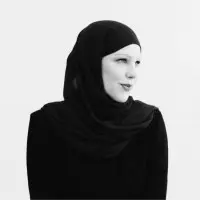
Dr James Lothian is a PICU consultant at Fakeeh University Hospital in Dubai, where he also practises pediatric pulmonology. Born and trained in Canada, he worked for five years in the United States and three in the UK before relocating to Dubai with dual American Board and Royal College credentials. In this interview, he shares why he wishes he had started looking at Dubai sooner, the licensing detail most doctors miss, what the PICU practice model is really like, and the family realities nobody talks about, much like Dr Mufti’s guide for UK doctors.
The Move Nobody Makes Overnight
Dr Lothian did not wake up one day and decide to relocate to Dubai. He started seriously considering it about a year before arriving, with initial thoughts beginning 18 months earlier.
But here is what he wishes he had known: he should have started even sooner.
“If I could go back to when I first moved to the UK, I’d tell myself to think about Dubai seriously right then,” he reflects. “I would have saved myself a year and come to the same conclusion anyway.”
His path to Dubai took him through three countries first. Born in Canada, he completed medical school and training there over about 10 years. Then five years in the United States, followed by three years in the UK before finally landing in Dubai, a route that has parallels with building a dermatology practice in Dubai.
That Canadian residency gave him something important: dual certification with both American Board and Royal College credentials. Double board certified from the start.
“Moving from Canada to the US to the UK to here, it’s very nice to have a backup so you can shift,” he explains. The flexibility has proven essential across different healthcare systems, much as it was for Dr Kirthika in building a women’s health practice in Dubai.
The Licensing Detail Most Doctors Don’t Know About
Here is the part that nearly stopped his plans entirely, and the reason most doctors need expert help with UAE licensing.
Ministry of Health licensing requires two years of recent experience in your specialty. Seems straightforward enough, until you are trying to maintain credentials in multiple areas.
Dr Lothian wanted to keep both his PICU and pediatric pulmonology credentials active. He secured his PICU license first, then worked to obtain his pediatric pulmonology license as well.
“I’ve licensed in several provinces, several states, and the UK by myself every time,” he says. “I probably could have done it here too, but I would have added months and a lot of headaches. There’s no way I could have figured out the accreditation process easily without Allocation Assist doing it on the front end.”
The strategy paid off. When Fakeeh University Hospital needed a pediatric pulmonologist, he already had the credentials ready. Now he practises both specialties, with PICU as his primary role.
What Actually Matters About the Hospital
Fakeeh University Hospital’s PICU has everything an experienced consultant needs. The equipment, the technology, the systems are all there.
What matters more is the practice model. “The level of PICU care is much more like the US than Canada or the UK.”
That distinction is significant. In Canada and the UK, many high-dependency unit patients stay out of PICU. In the US, and in Dubai’s private hospitals, they are admitted to PICU. Different acuity, different workflow, different expectations, as a UK doctor’s guide to the Gulf makes clear.
“Having worked in the US private system helped me recognize the model quickly,” he says. “But it’s something any experienced consultant adapts to. You’re still doing the same medicine, just within a different system structure.”
The hospital itself is only four to five years old, part of an established group expanding into the UAE. Patient numbers have been growing 30% each year, which means more volume and more complex cases.
“We expect the same growth in 2026,” Dr Lothian says. More volume means more opportunities for experienced consultants, and the department is expanding alongside the hospital.
The Family Reality Nobody Talks About
Dr Lothian relocated with his family. They homeschool, which meant they could maintain educational continuity across the move rather than navigating school admissions and waiting lists, unlike the path taken in Dr Lucy Khan’s relocation journey.
“We didn’t have to think about the school system,” he explains. They had been homeschooling since Canada, continued through the US, and kept the same approach in the UK and now in Dubai, a contrast with moving to Dubai as a breast surgeon.
That said, homeschooling in the UAE has its own administrative requirements, and recognition processes can take time. But for their family, the flexibility outweighed the paperwork.
The initial adjustment period was real. “The first three months, you’re figuring everything out,” he says with a slight laugh. “It probably takes six months to a year to really get into a rhythm and understand how everything works.”
Waiting for belongings to arrive, living in temporary housing, figuring out basics like getting a car. “It’s part of any international move,” he says.
His wife handled the enormous logistical puzzle: coordinating the homeschool curriculum across time zones, managing the household move, keeping routines intact for the children, and navigating the administrative requirements in a new country. “She’s a saint,” he says, and the admiration is clear.
Once they settled into their own place with their own things and established routines, everything shifted. “It became much easier for everybody.”
The teenagers had the hardest time initially, but even that improved once normal life resumed. For Dr Lothian, having his family settled and happy made all the difference. “When we had our own place, our own stuff, and started to live our life at home, it became much easier for everybody.”
The Interview Process: What to Actually Expect
Dr Lothian interviewed at several Dubai hospitals. Like many doctors considering the move, he found it challenging to assess hospitals from afar, a hurdle also captured in this account of going from uncertainty to innovation in Dubai.
“You don’t know what you’re going to get. I’d look at websites and try to understand what they were really like.”
Interviews followed standard formats with predictable questions. But what happened afterward varied. Response times differed significantly between institutions, and some processes moved faster than others.
Fakeeh responded relatively quickly with a clear offer. After eighteen months of working there, he is confident it was the right choice.
“I’m very pleased that I’m at Fakeeh,” he says.
The Cultural Piece That Doesn’t Faze PICU Doctors
Working with families from countless nationalities sounds overwhelming on paper. In practice? For an experienced PICU consultant, it is familiar territory.
“In the PICU, you deal with a lot of parents in very stressful situations,” Dr Lothian explains. Even in Canada, the US, and the UK, he worked with diverse cultural backgrounds. “You just tailor your approach to the cultural background of the patient.”
The only real difference in Dubai is predictability. In Western countries, you generally know the likely demographic. “Here, you don’t know what you’re going to get when you walk in. It could be Emirati, it could be an expat, it could be a medical tourist,” an unpredictability also reflected in Dr Kirthika Jeyaraman’s NHS-to-Dubai move.
For doctors from diverse cities, this feels normal. For those from less diverse regions, it might require adjustment. But PICU consultants already have the skillset. They have been navigating high-stress family dynamics across cultural contexts for years.
The Advice He’d Give His Past Self
Sitting in that UK cafe eighteen months ago, researching Dubai opportunities while working as a consultant, Dr Lothian had already made his decision.
“By the time I was looking at it seriously, I’d already decided I was going to do this unless something really didn’t work.”
Looking back now, he sees the lost time clearly.
“When I moved to the UK, I knew Dubai was something I should think about. If I could go back, I’d tell myself to think about it seriously much sooner. There was at least a year where I would have come to the same conclusion but got here faster.”
His advice to doctors considering this move?
“It’s absolutely a valid option. Look at it seriously. Don’t discount it.”
And on the practical side, the part about navigating licensing, attestations, and hospital negotiations?
“You can’t do it alone. Of my experience, Allocation Assist was by far the most helpful. Actually, no one else was really helpful at all.”
The kind of candid assessment you only get eighteen months in, when the initial stress has faded and the real assessment can happen.
About Dr James Lothian
Dr James Lothian is a PICU consultant at Fakeeh University Hospital in Dubai, where he also practises pediatric pulmonology. Born in Canada, he completed medical school and training there over about 10 years, then worked five years in the United States and three years in the UK before relocating to Dubai. He holds dual American Board and Royal College credentials.
How Allocation Assist Supports PICU Consultants Moving to the Gulf
As a medical recruitment and healthcare jobs consultancy in Dubai, our team has been placing Western-trained doctors in Gulf region hospitals for over 11 years, with relationships at 95+ hospitals across the UAE, Saudi Arabia, and Qatar.
Key Areas of Support
- Hospital matching, based on your subspecialty, case mix, and family priorities.
- DHA, DOH, MOHAP, and SCFHS licensing, including multi-specialty credentialing.
- Contract review and negotiation, including salary, package, and insurance terms.
- Relocation and family logistics, including schooling, housing, and post-arrival support.
- Ongoing peer community, connecting you with consultants who have made the same move.
For hands-on help with your move, explore our DHA license consultancy. To talk through your own move, you can book a free consultation.
Frequently Asked Questions
Who is Dr James Lothian?
Dr James Lothian is a PICU consultant at Fakeeh University Hospital in Dubai, where he also practises pediatric pulmonology. Born and trained in Canada, he worked in the United States and the UK before relocating to Dubai, and holds dual American Board and Royal College credentials.
How early should doctors start looking at a move to Dubai?
Earlier than most expect. Dr Lothian started seriously considering Dubai about a year before arriving, with initial thoughts 18 months earlier, but his advice is to start even sooner: “I would have saved myself a year and come to the same conclusion anyway.”
What is the licensing detail most doctors miss?
Ministry of Health licensing requires two years of recent experience in your specialty. This becomes complicated when maintaining credentials in multiple areas. Dr Lothian secured his PICU license first, then his pediatric pulmonology license, so he had both ready when the hospital needed a pediatric pulmonologist.
How does PICU practice in Dubai compare to Canada, the US, and the UK?
According to Dr Lothian, “the level of PICU care is much more like the US than Canada or the UK.” In Canada and the UK, many high-dependency patients stay out of PICU, while in the US and Dubai’s private hospitals they are admitted to PICU, meaning different acuity and workflow.
What is Fakeeh University Hospital’s PICU like?
The PICU has the equipment, technology, and systems an experienced consultant needs. The hospital is only four to five years old, part of an established group expanding into the UAE, with patient numbers growing 30% each year and the same growth expected in 2026.
How did Dr Lothian handle schooling for his children?
His family homeschools, which meant they could maintain educational continuity across every move rather than navigating school admissions and waiting lists. Homeschooling in the UAE has its own administrative requirements, but for their family the flexibility outweighed the paperwork.
How long does it take to settle in Dubai?
Dr Lothian found the first three months were about figuring everything out, and that it probably takes six months to a year to really get into a rhythm. Once the family settled into their own place with their own belongings and routines, he says, “it became much easier for everybody.”
Is cultural diversity a challenge for doctors in Dubai?
For experienced PICU consultants, no. Dr Lothian notes they already work with diverse cultural backgrounds and high-stress family dynamics. The main difference in Dubai is predictability: “It could be Emirati, it could be an expat, it could be a medical tourist.”
How can Allocation Assist help me move to Dubai as a PICU consultant?
Allocation Assist has been placing Western-trained doctors in Gulf hospitals for over 11 years, with relationships at 95+ hospitals across the UAE, Saudi Arabia, and Qatar. The team handles licensing (including multi-specialty credentialing), attestations, hospital negotiations, and relocation. As Dr Lothian puts it: “Allocation Assist was by far the most helpful.”