Are you a doctor considering a life-changing move to Saudi Arabia? Relocating to the Kingdom can be both exciting and daunting. With its leading healthcare facilities and strong compensation packages, the country has become an increasingly attractive destination for medical professionals seeking new opportunities. This Guide Moving to Saudi Arabia: Relocation Guide for Doctors will help you and make the transition easy.
However, the journey from considering the move can be complex. You might be wondering about the details of the Saudi healthcare system, visa requirements, or how to manage cultural differences in your new workplace. Perhaps you’re concerned about balancing your professional aspirations with family considerations. Don’t worry, you’re not alone in these thoughts.
In this guide, we’ll walk you through everything you need to know about relocating to the region as a doctor. From understanding the healthcare landscape to preparing for your big move, we’ve got you covered. Let’s dive into the essential aspects of your relocation journey, starting with a closer look at the country’s healthcare system and the visa process that awaits you.
Understanding the Healthcare System
As you start your journey to practice medicine here, it’s essential to familiarize yourself with the country’s healthcare system. This knowledge will help you find your way in your new professional environment and make informed decisions about your career. Let’s dive into the key aspects of the local healthcare landscape.
A. Overview of public and private healthcare sectors
The healthcare system here is a mix of public and private sectors, each playing a significant role in providing medical services to the population.
Public Healthcare Sector
The public healthcare sector is primarily managed by the Ministry of Health (MOH). It provides free or heavily subsidized healthcare services to local citizens and, to some extent, expatriates working in the public sector.
Key features of the public healthcare sector:
- Covers about 60% of healthcare services in the country
- Operates a network of primary healthcare centers, secondary care hospitals, and specialized tertiary care facilities
- Focuses on preventive care and public health initiatives
- Implements national health programs and vaccination campaigns

Private Healthcare Sector
The private healthcare sector has been growing rapidly in recent years, catering to both locals and expatriates who prefer more personalized care or shorter waiting times.
Characteristics of the private healthcare sector:
- Comprises about 40% of healthcare services
- Includes private hospitals, clinics, and specialized medical centers
- Often equipped with advanced technology and facilities
- Attracts many international healthcare professionals
- Typically serves patients with private health insurance or those who can afford out-of-pocket expenses
| Aspect | Public Sector | Private Sector |
|---|---|---|
| Cost | Free or heavily subsidized | Fee-based |
| Primary Users | Local citizens, public sector expatriates | Expatriates, affluent locals |
| Waiting Times | Can be longer | Generally shorter |
| Technology | Varies by facility | Often advanced |
| Focus | Preventive care, public health | Specialized treatments, personalized care |
As a doctor relocating here, you may find opportunities in both sectors. Your choice will depend on your specialization, career goals, and personal preferences.
B. Specialties in high demand
The healthcare system is constantly evolving to meet the changing needs of its population. As you consider your move, it’s important to understand which medical specialties are currently in high demand. This knowledge can help you align your expertise with the country’s needs and potentially enhance your job prospects.
Some of the most in-demand medical specialties in Saudi Arabia include: The doctors salary in Saudi Arabia varies significantly based on experience and specialty. It is essential for prospective physicians to understand the compensation packages offered within the industry.
- Cardiology and Cardiac Surgery
- Oncology
- Neurology and Neurosurgery
- Pediatrics
- Obstetrics and Gynecology
- Emergency Medicine
- Intensive Care
- Family Medicine
- Orthopedics
- Psychiatry and Mental Health
The demand for these specialties is driven by several factors:
- As the population ages, the prevalence of chronic diseases rises.
- Lifestyle-related health issues such as obesity and diabetes
- Government initiatives to improve maternal and child health
- Growing awareness of mental health issues
- Efforts to reduce medical tourism by enhancing local specialized care
As a foreign doctor, your expertise in any of these areas could be particularly valuable. However, don’t be discouraged if your specialty isn’t on this list. The healthcare system is comprehensive, and there are opportunities across various medical fields.
Related Articles:
- Career Opportunities for Doctors in Saudi Arabia
- Opening a bank account when you relocate to the UAE
- Transformation in Saudi Arabia’s Healthcare Sector
- The Remarkable Development of Saudi Arabia’s Healthcare System
- 5 Common Misconceptions about Saudi Arabia
C. Licensing requirements for foreign doctors
Before you can practice medicine here, you’ll need to obtain the necessary licenses and credentials. The process can be complex, but understanding the requirements will help you prepare effectively.
Steps to obtain a medical license:
- Verification of qualifications: Submit your medical degree, postgraduate qualifications, and work experience certificates to the Saudi Commission for Health Specialties (SCFHS) for verification.
- Professional classification: Based on your qualifications and experience, the SCFHS will classify you into one of several professional categories (e.g., Consultant, Specialist, Resident).
- Prometric exam: You’ll need to pass a specialty-specific exam administered by Prometric on behalf of the SCFHS. This examination tests your medical knowledge and clinical skills.
- Council registration: After passing the exam, you must register with the Council for your specialty.
- Temporary license: Upon successful registration, you’ll receive a temporary medical license valid for up to one year.
- Permanent license: After working in the country for a specified period (usually one year) and meeting performance requirements, you can apply for a permanent license.
Additional requirements:
- Language proficiency: While many hospitals use English as the primary language of communication, knowledge of Arabic can be beneficial, especially when interacting with patients.
- Good standing certificate: You’ll need to provide a certificate of good standing from your current licensing body.
- Health clearance: A medical examination is required to ensure you’re free from communicable diseases.
Remember, the licensing process can take several months, so it’s advisable to start well in advance of your planned move.
D. Key medical institutions and hospitals
The Kingdom boasts a number of highly regarded medical institutions and hospitals. Familiarizing yourself with these facilities can help you understand potential work environments and career opportunities.
Notable public hospitals:
- King Faisal Specialist Hospital & Research Centre (Riyadh and Jeddah)
- Renowned for: Oncology, organ transplantation, genetic diseases
- Features: Advanced research facilities, modern technology
- King Abdulaziz Medical City (Riyadh)
- Renowned for: Trauma care, cardiac services, neurosciences
- Features: Level 1 trauma center, modern emergency department
- King Fahad Medical City (Riyadh)
- Renowned for: Comprehensive healthcare services
- Features: Four hospitals under one umbrella, including a children’s hospital and a rehabilitation hospital
- King Khalid University Hospital (Riyadh)
- Renowned for: Teaching and research
- Features: Affiliated with King Saud University, offering various residency and fellowship programs
Prominent private hospitals:
- Dr. Sulaiman Al Habib Medical Group ( located in multiple locations)
- Renowned for: Multi-specialty care, advanced technology
- Features: Digital hospital concept, telemedicine services
- German Hospitals Group (located in multiple locations)
- Renowned for: Comprehensive healthcare services
- Features: International accreditations, modern facilities
- Mouwasat Medical Services ( located in multiple locations)
- Renowned for a wide range of specialties, patient-centered care
- Features: Advanced diagnostic and treatment technologies
- Dallah Healthcare (Riyadh)
- Renowned for: Quality healthcare services
- Features: Specialized clinics, advanced medical equipment
These institutions represent just a fraction of the healthcare facilities in the country. Each city and region has its own network of hospitals and clinics, both public and private, offering diverse opportunities for medical professionals.
As you consider your move, take time to research these and other healthcare facilities. Look into their specialties, technologies, and work cultures to find an environment that aligns with your career goals and personal preferences.
Understanding Saudi Arabia’s healthcare system is an important first step in your relocation journey. With this knowledge, you’re better equipped to manage the job market, licensing process, and professional landscape in your new home. As you continue your preparations, you’ll want to focus on the practical aspects of moving, including visa requirements and work permits. These essential details will ensure a smooth transition into your new role as a healthcare professional.
Visa and Work Permit Process
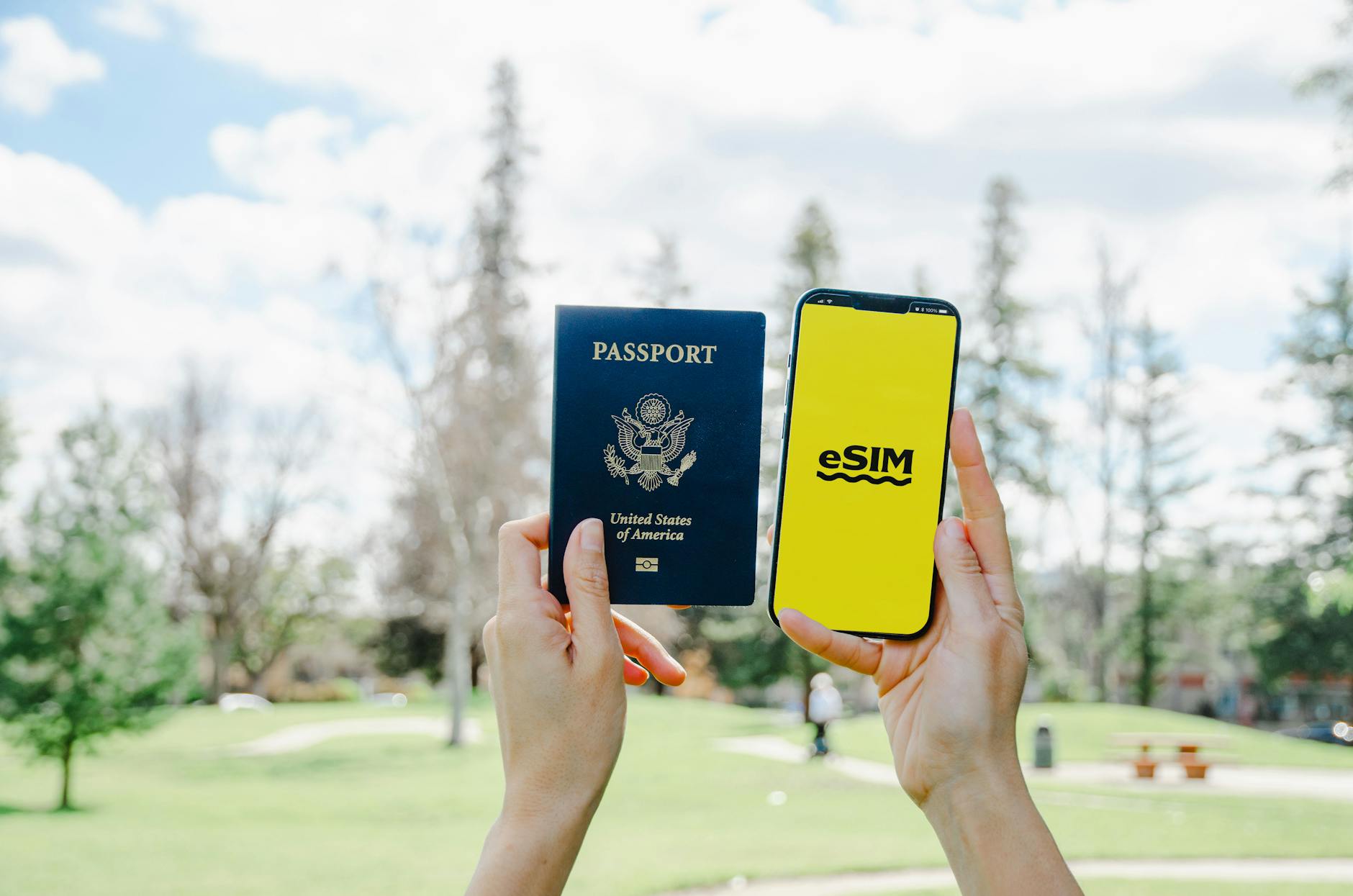
Now that you understand the healthcare system, it’s important to work through the visa and work permit process. This step is essential for doctors planning to relocate and practice medicine in the Kingdom. Let’s break down the key aspects of obtaining the necessary documentation to work legally.
A. Timeline and costs for obtaining a work visa and permit
The timeline for obtaining a work visa and permit can vary, but you should expect the process to take anywhere from 2 to 4 months. It’s essential to start early and be prepared for potential delays.
Here’s a general timeline to keep in mind:
- Initial application submission: 1-2 weeks
- Document verification and processing: 4-6 weeks
- Medical examination and clearance: 1-2 weeks
- Visa issuance: 2-3 weeks
- Work permit processing: 2-3 weeks
As for costs, you’ll need to budget for various expenses throughout the process. Here’s a breakdown of potential fees:
| Expense Item | Approximate Cost (SAR) |
|---|---|
| Visa application fee | 2,000, 3,000 |
| Work permit fee | 2,000, 4,000 |
| Medical examination | 200, 500 |
| Document authentication | 500, 1,000 |
| Travel insurance | 500, 1,500 |
Keep in mind that these costs are estimates and may vary depending on your specific situation and the requirements of your employer or sponsor.
B. Sponsorship and employment contracts
In the Kingdom, you must have a sponsor to obtain a work visa and permit. For doctors, this sponsor is typically your employing hospital or healthcare institution. Your sponsor plays a central role in the visa process and your legal status in the country.
Key points about sponsorship:
- Your sponsor is responsible for obtaining your work visa and permit.
- They act as your legal representative.
- Your sponsor must provide you with an official employment contract.
When reviewing your employment contract, pay close attention to the following details:
- Contract duration
- Salary and benefits
- Working hours and leave entitlements
- Termination clauses
- Non-compete agreements
- Accommodation provisions
It’s advisable to have a legal professional review your contract before signing to ensure all terms are fair and in line with local labor laws.
C. Required documentation for work permits
Obtaining a work permit requires a comprehensive set of documents. As a doctor, you’ll need to provide additional professional credentials. Here’s a list of the essential documents you’ll need to prepare:
- A Valid passport with at least six months of validity
- Passport-sized photographs (recent, with white background)
- Completed visa application form
- Official employment contract
- Educational certificates (authenticated and translated)
- Professional qualifications and licenses
- Medical degree and specialization certificates
- Proof of work experience (letters from previous employers)
- police clearance certificate from your home country
- Medical examination report (conducted on arrival)
- Saudi Commission for Health Specialties (SCFHS) registration
To ensure a smooth process, follow these tips:
- Have all documents translated into Arabic by a certified translator
- Attest and authenticate your documents through your home country’s foreign affairs ministry and the embassy
- Keep multiple copies of all documents, both physical and digital
D. Types of visas for medical professionals
As a doctor moving here, you’ll typically be applying for a work visa. However, it’s essential to understand the different types of visas available for medical professionals:
- Work Visa (Iqama)
This is the most common visa for expatriate doctors. Valid for the duration of your employment contract (usually 1-2 years). Permits you to live and work locally. Permits sponsorship of family members.
- Business Visa
Suitable for short-term medical assignments or consultations. Valid for 30-90 days. Does not permit long-term employment.
- Visit Visa
Appropriate for attending medical conferences or short training programs. Usually valid for 30 days. Cannot be used for employment purposes.
- Exit/Re-entry Visa
Required for temporary trips outside during your employment. Single- or multiple-entry options are available. Must be obtained before leaving the country.
- Final Exit Visa
Needed when permanently leaving after completing your employment. Cancel your work permit and residency status.
Immediate family members can also benefit from permanent residency. Full permission to work in the private sector without a sponsor. You can own real estate for residential, commercial, and industrial use.
As you prepare for your move, keep in mind that the visa and work permit process can be complex. It’s important to work closely with your sponsor and potentially seek assistance from a relocation specialist or legal advisor to ensure all requirements are met.
Remember that regulations can change, so always verify the most up-to-date information with official sources such as the Ministry of Foreign Affairs or your nearest embassy.
With your visa and work permit secured, you’ll be ready to embark on your new career. Next, we’ll explore what daily life entails, including housing options, transportation, and routines in the Kingdom.
Living Here
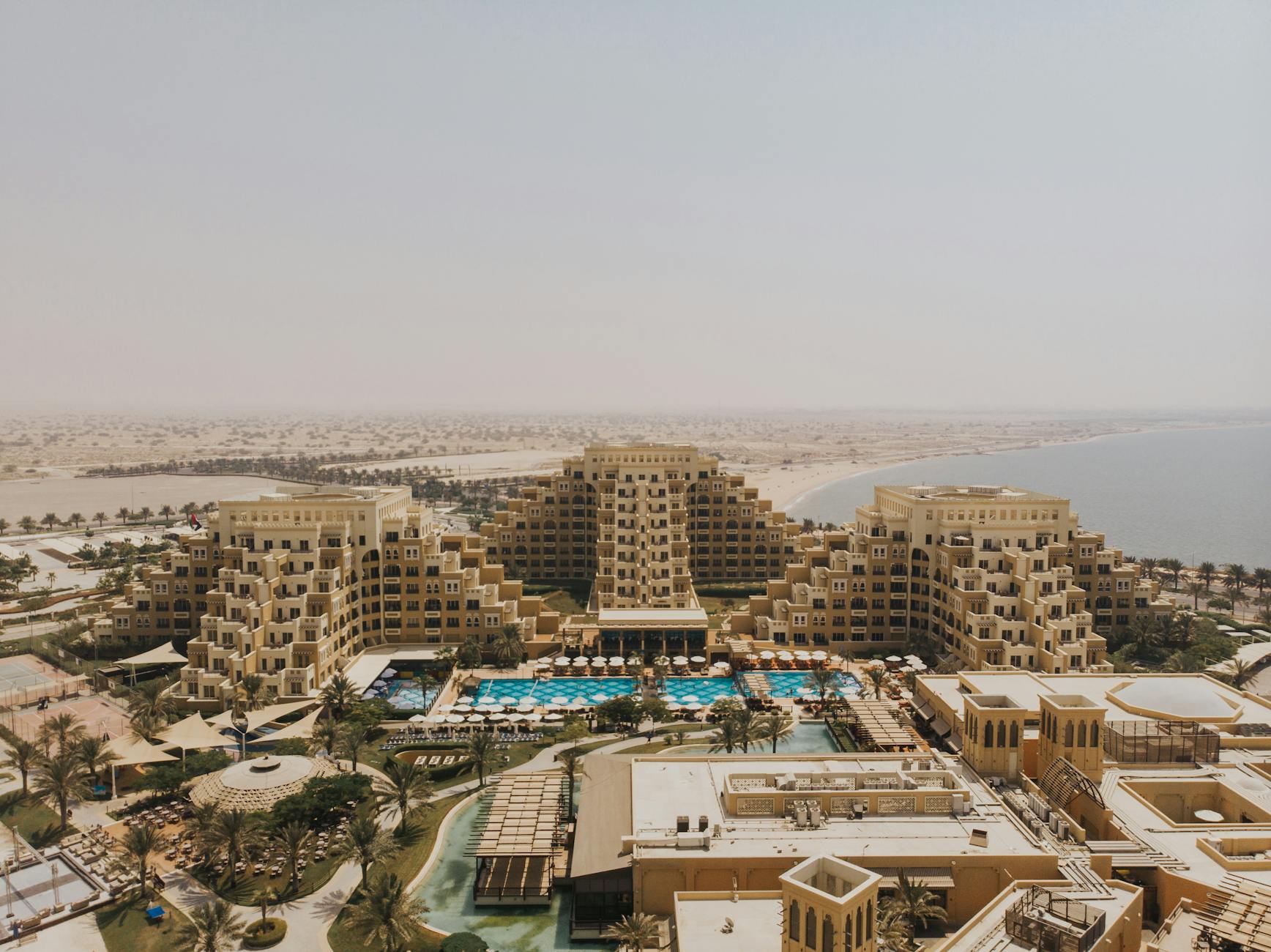
As you prepare for your move as a doctor, understanding the day-to-day aspects of life in the Kingdom is essential. This section will cover essential information about living here, including banking, transportation, cultural norms, cost of living, and housing options. Let’s dive into these key areas to help you settle into your new life in this fascinating country.
Read More:
- How to Open a Bank Account in Qatar: A Detailed Guide for Expats
- Opening a bank account when you relocate to the UAE
- Career Opportunities for Doctors in Saudi Arabia
- Healthcare System in Qatar: Insights for Doctors
- Transformation in Saudi Arabia’s Healthcare Sector
Banking and Financial Matters
Setting up your finances is one of the first steps you’ll need to take when moving here. Here’s what you need to know:
- Opening a bank account: Most major local banks offer services in English, making it easier for expats to manage their finances. Popular banks include:
- British Bank (SABB)
- Al Rajhi Bank
- Riyad Bank
- National Bank (SNB)
- Required documents: To open a bank account, you’ll typically need:
- Your passport
- Residence permit (Iqama)
- Proof of employment (usually a letter from your employer)
- Proof of address (utility bill or rental agreement)
- Islamic banking: Be aware that many local banks operate under Islamic banking principles, which prohibit interest and certain types of investments.
- Currency: The Riyal (SAR) is pegged to the US Dollar at a fixed rate of 1 USD = 3.75 SAR, which helps maintain stability for expats earning in SAR.
- ATMs and card payments: ATMs are widely available in urban areas, and credit/debit card payments are accepted in most establishments.
| Bank Feature | Description |
|---|---|
| Online banking | Most banks offer robust online and mobile banking services |
| International transfers | Available, but may have fees and restrictions |
| Multi-currency accounts | Some banks offer accounts in various currencies |
| Sharia-compliant products | Many banks offer Islamic banking options |
Transportation and Getting Around
Getting around can be challenging at first, but understanding your options will help you get around with ease:
- Driving:
- As of 2018, women are legally allowed to drive.
- You can use your home country’s license for up to three months after arrival.
- To obtain a local driving license, you’ll need to pass a written test and a practical driving test.
- Be aware that driving in major cities can be chaotic, and traffic rules are sometimes loosely followed.
- Public transportation:
- Major cities like Riyadh and Jeddah are developing metro systems, but they’re not yet fully operational.
- Buses are available in some cities but are not always reliable or comfortable.
- Taxis and ride-hailing:
- Traditional taxis are available but may not always use meters.
- Ride-hailing apps like Uber and Careem are widely used and often more convenient.
- Walking:
- Walking is not always practical due to the hot climate and lack of pedestrian-friendly infrastructure in many areas.
- Air travel:
- Domestic flights are available between major cities and are often the most convenient way to travel long distances within the country.
Cultural Norms and Etiquette
Understanding and respecting local cultural norms is key for a successful transition. Here are some key points to consider:
- Dress code:
- Men should dress modestly.
- Face coverings are no longer mandatory, but many local women still wear them.
- Gender segregation:
- Many public spaces, including restaurants and government offices, have separate areas for men and families (which include women).
- In healthcare settings, you may encounter gender-specific waiting areas and preferences for same-gender healthcare providers.
- Religious observances:
- Be respectful of prayer times, especially during Ramadan, when eating, drinking, and smoking in public during daylight hours is prohibited.
- Businesses may close briefly during prayer times.
- Greetings and interactions:
- Use “As-salaam-alaikum” (peace be upon you) as a greeting.
- Shake hands with people of the same gender, but wait for a woman to extend her hand first.
- Avoid public displays of affection, even between married couples.
- Alcohol and pork:
- Both are prohibited here.
Cost of Living Comparison
Understanding the cost of living compared to your home country is essential for financial planning. Here’s a general overview:
| Expense Category | Comparison to Western Countries |
|---|---|
| Housing | Generally lower, especially outside major cities |
| Food | It can be expensive, especially in compounds and high-end venues |
| Transportation | Fuel is very cheap, but car prices may be higher |
| Healthcare | Often provided by employers, otherwise can be expensive |
| Education | International schools are expensive, local schools are more affordable |
| Utilities | Generally lower due to subsidized electricity and water |
| Entertainment | Can be expensive, especially in compounds and high-end venues |
It’s important to note that while some aspects of life here can be more expensive, many expat doctors find that their overall cost of living is lower due to tax-free salaries and employer-provided benefits.
Housing Options and Considerations
Choosing the right housing is important for your comfort and adaptation to life here. Here are your main options:
- Compound living:
- Gated communities are popular among expats
- Often include amenities like pools, gyms, and social activities
- Provide a more relaxed environment where Western norms are generally accepted
- It can be more expensive, but is often preferred by expat families
- Apartments:
- Available in various sizes and price ranges
- More integrated into local communities
- May require more cultural adaptation
- Often more affordable than compound housing
- Villas:
- Standalone houses, sometimes within compounds
- Offer more space and privacy
- It can be expensive, especially in desirable areas
- Employer-provided housing:
- Many healthcare employers offer housing as part of the compensation package
- Quality and location can vary, so clarify details before accepting a position
When choosing your housing, consider the following things:
- Proximity to your workplace
- Access to schools if you have children
- Availability of transportation options
- Safety and security of the area
- Cultural environment (more traditional vs. more expat-friendly)
Living here as an expat doctor can be a unique and rewarding experience. By understanding the banking system, transportation options, cultural norms, cost of living, and housing choices, you’ll be well-prepared to make the most of your time in the Kingdom. Remember that adaptation takes time, and maintaining an open mind will help you handle the challenges and appreciate the opportunities that come with your new life.
Thinking About Relocating to Saudi Arabia?
Relocating to the Kingdom of Saudi Arabia is a major step, and it goes far more smoothly with the right team beside you. At Allocation Assist, we help doctors at every point of the process, from reading up in licensing guides to practical support with our Saudi medical licensing guide. If you would like to talk it through, you can book a free consultation.
FAQs
What is the cost of living as an expat?
Living here can be more affordable than in many Western countries. Rent, utilities, and groceries are often cheaper, especially in cities like Riyadh and Jeddah. But some luxury goods and imported items might cost more.
What are the visa requirements for medical professionals?
Medical professionals need a work visa, which requires a job offer from a local employer. You must also have your medical qualifications and licenses verified. The process is detailed, so make sure you have all your documents ready.
How can I find suitable accommodation?
Expat-friendly housing options include apartments, villas, and gated communities. Areas like the Diplomatic Quarter in Riyadh cater to expats with amenities and facilities. Research different neighborhoods and use a trusted real estate agent to find a place that suits your needs and budget.
What is the healthcare system like, and how can I obtain a medical license?
The country boasts a well-developed healthcare system with public and private options. To work here, you’ll need a license from the Saudi Commission for Health Specialties (SCHS). This involves verifying your qualifications and passing exams.
How can I prepare for the cultural differences?
The local culture and customs are quite different from what you might be used to. Learning about the local etiquette, dress code, and social norms is key. This knowledge will help you avoid cultural mistakes and settle in smoothly.
What are the benefits of working as a medical professional?
Medical professionals here enjoy competitive salaries, tax-free income, and generous benefits. The country offers chances for professional growth, with access to top medical facilities and diverse patient cases. Life can be comfortable, with a good standard of living and many leisure and cultural activities.