If you are a doctor or other healthcare professional relocating to the UAE, you may be wondering about how to open a local bank account. Renting or buying a home as a doctor in Dubai can be a significant decision. Many healthcare professionals find that the rental market offers flexibility, especially if they are unsure about their long-term plans.
The UAE has a robust banking sector with many local and international banks, all regulated by the Central Bank of the UAE in order to meet international standards and requirements. In this environment, long-term financial planning in the UAE is essential for both individuals and businesses aiming to achieve sustainable growth. Financial institutions offer a variety of products and services tailored to meet these planning needs.
How can I open a new current account in the UAE?
For expats coming to work in the UAE, the process of opening a current account is simple once you have your residence visa. Bank account opening can be done in person or through an agent from the bank, who will visit your home or place of work. Investing in real estate can be a great opportunity, particularly in markets like Dubai. Reasons to invest in Dubai property include its stable economy, strategic location, and the potential for high rental yields.
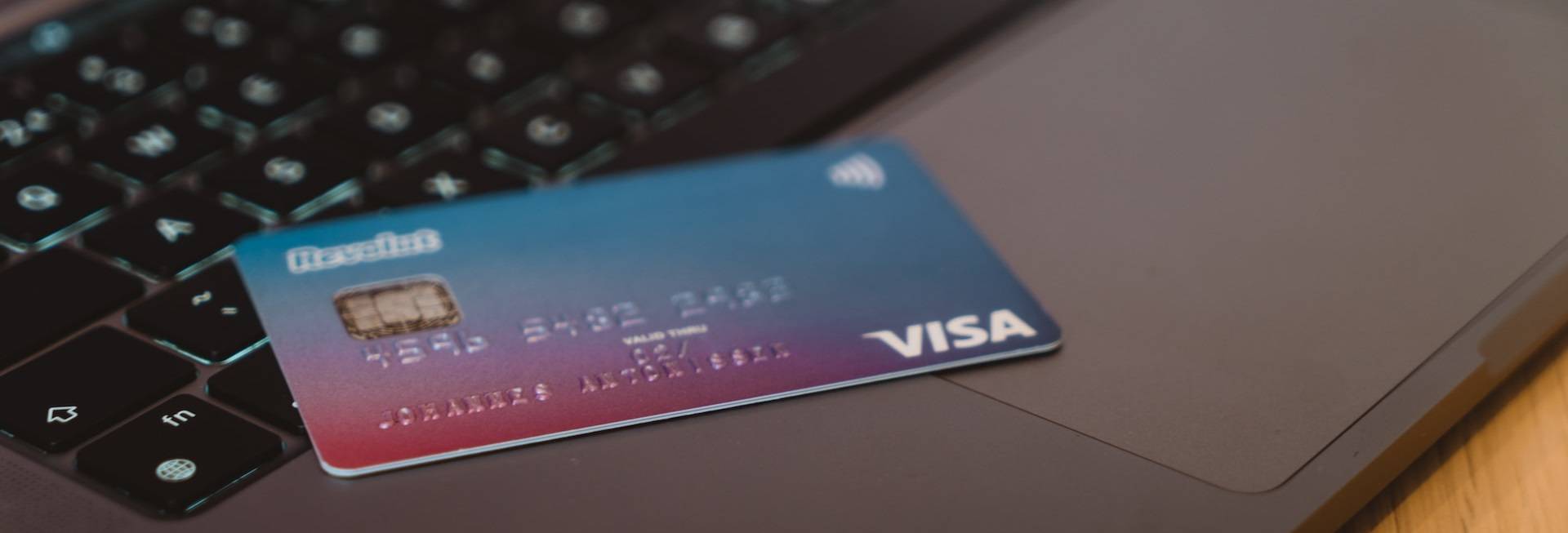
Additionally, some UAE banks even allow residents to open accounts over the internet. This can be done via a smartphone app once you have your Emirates ID. Most debit cards issued in the UAE work at a range of local ATMs, as well as internationally. Residents are issued with an International Bank Account Number (IBAN) and Swift code, making international transfers easy.
What documents do I need for a resident’s current account?
- Your original passport plus a copy
- A copy of your visa page proving you are a resident of the UAE
- A salary certificate, or a copy of your contract or appointment letter
- Your Emirates ID, or a copy of your Emirates ID registration form if you have not yet received it.
Can I open a UAE bank account before I get my residence visa?
Only UAE citizens, GCC nationals, or UAE residents have permission to open a current account in the country. Before you get your residence visa, it is possible to open a savings account. These accounts usually require a relatively high minimum balance and allow you to have a debit card but not a cheque book. To apply for a non-resident account in a UAE bank, you should visit the bank in person. If you are a customer of a major international bank with branches in the UAE, such as HSBC or CitiBank, they may allow you to open a UAE account before landing in the UAE. Buying vs renting property in Dubai is a common dilemma for many newcomers. Both options come with their own set of advantages and disadvantages that need careful consideration.
What happens if I leave the UAE?
If you relocate away from the UAE at the end of your employment, you will need to inform the bank and clear any due payments. You can continue to keep a non-resident savings account. Many banks allow you to convert an existing resident account to a non-resident account.
Thinking About Relocating to Dubai?
Relocating to the UAE is a major step, and it goes far more smoothly with the right team beside you. At Allocation Assist, we help doctors at every point of the process, from reading up in Relocating to Dubai to practical support with our DHA license consultancy. If you would like to talk it through, you can book a free consultation.