Jeddah is Saudi Arabia's main west-coast healthcare hub, a Red Sea port city and the gateway to Makkah and Madinah, home to Dr. Soliman Fakeeh Hospital, King Faisal Specialist Hospital, and the National Guard hospital. We match internationally trained doctors to these hospitals and handle SCFHS licensing, which covers the whole Kingdom from one application.
Jeddah sits on the Red Sea as Saudi Arabia's second city and the gateway to Makkah and Madinah, and its healthcare sector is the largest on the western side of the Kingdom. The city mixes major government referral hospitals with some of Saudi Arabia's best-known private groups, so a doctor moving here has a broad choice of employer, from national research centres to fast-growing private networks. It is generally more relaxed and cosmopolitan than the capital, which some doctors weigh when choosing between Jeddah and Riyadh.
For licensing, Jeddah runs on the same national system as the rest of the country. One SCFHS licence covers the whole Kingdom, so a doctor licensed for a Jeddah role can later move to Riyadh or the Eastern Province on the same registration. Our medical job consultancy in Saudi Arabia sets out the national SCFHS process in full, while this page focuses on the hospitals and the working picture in Jeddah itself.
Jeddah's hospital sector spans national government referral centres and large private groups, and both recruit internationally trained doctors. The hospitals below are the ones Allocation Assist works with in the city.
The flagship of the Fakeeh Care Group, founded in Jeddah in 1978 and now a JCI-accredited academic medical centre that serves as the teaching hospital for Fakeeh College of Health Sciences. It runs 400 inpatient beds, a Robotic Surgery Institute, and PET/CT diagnostic imaging, and it recruits internationally trained physicians across its specialties.
A Jeddah campus of the Kingdom's leading referral and research institution, established in 1975. It is a national centre for oncology, organ transplantation, and genetic research, with a robotic surgery institute and advanced diagnostic imaging.
Part of the Ministry of National Guard Health Affairs, a 751-bed tertiary hospital in Jeddah with strengths in oncology, cardiology, organ transplantation, a burns unit, and bone marrow transplantation.
Opened in Jeddah's Al Zahra district in 1988 as the first branch of the Saudi German Health network. Its 218 beds cover cardiology, oncology, and orthopaedics, supported by a robotic surgery institute and advanced imaging.
Runs a Jeddah facility spanning maternity, bone, joint and spine surgery, dermatology and plastic surgery, ophthalmology, and infertility treatment.
See which Jeddah roles are open and check your SCFHS eligibility.
Recruitment across these hospitals runs strongest in oncology, cardiology, obstetrics, paediatrics, general and orthopaedic surgery, and internal medicine. The Jeddah hospitals guide profiles each facility in more detail.

Working in Jeddah means practising in a coastal city that is generally more relaxed and international than the capital, with an established expatriate community, international schools, and a Red Sea setting known for diving and waterfront life. As the gateway to Makkah and Madinah, it draws a large, diverse patient population, which gives doctors broad clinical exposure across its government and private hospitals.
Salaries in Jeddah are tax-free, so pay is received in full, and packages typically add accommodation or a housing allowance, annual flights, and medical insurance. For internationally trained doctors, the mix of a lighter lifestyle than Riyadh and access to major research and teaching hospitals is what makes the city a common first choice in the Kingdom.
Doctors in Jeddah license through the Saudi Commission for Health Specialties, the single national regulator, so the process is the same one used across the Kingdom. You register on the Mumaris Plus portal, complete DataFlow primary source verification, receive your professional classification, sit the Prometric exam where it applies, and complete registration once a hospital makes an offer.
Doctors who trained in the UK, Ireland, France, the USA, Canada, Australia, or Saudi Arabia are generally exempt from the exam and classify directly at specialist or consultant grade, which shortens the timeline. DataFlow verification usually takes around six to eight weeks, and the full process runs to roughly five to eight months for a first-time applicant, faster for exam-exempt doctors. The SCFHS licensing guide covers every stage, document, and fee.

Doctors in Jeddah earn tax-free salaries, set by specialty, grade, and employer rather than a national scale. Government referral hospitals such as the National Guard offer structured pay with strong benefits, while the large private groups negotiate individually and often add performance-linked elements. Packages commonly include accommodation or a housing allowance, annual flights, medical insurance, and end-of-service benefits.
Consultant and senior surgical roles sit at the top of the range, and pay in Jeddah is broadly in line with the rest of the Kingdom for a given grade. The Saudi salary guides break down earnings by specialty and career stage.
Because one SCFHS licence and one consultancy open roles across Jeddah and the wider Kingdom, the team can match you to a Jeddah hospital while keeping Riyadh and other cities in view. Your eligibility is checked against your grade and specialty, you are told early whether you are exam-exempt, your documents are prepared to the SCFHS checklist, and your CV reaches Jeddah hospitals while DataFlow is still running. Hospitals pay the placement fee, so this support costs the doctor nothing, and one team stays with you from the eligibility check through licensing, interview, and contract.
Book a free consultation to confirm your SCFHS classification and hear which Jeddah hospitals are recruiting in your specialty. The team reviews your qualifications, tells you whether you qualify for exam exemption, and sets out your Mumaris Plus and licensing timeline in one call.
Our office is located in Jumeirah Lakes Towers, Dubai. Consultations run in person at the office, or by phone and video for doctors still overseas, Sunday to Friday, 8am to 8pm, so your licensing and interviews can begin before you relocate.
Allocation Assist Middle East
Jumeirah Lakes Towers, Dubai, United Arab Emirates
Phone: +971 4 273 3477
Hours: Sunday to Friday, 8am to 8pm
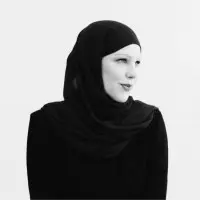
Founder and CEO, Allocation Assist Middle East. Emilie founded Allocation Assist in 2015 after seeing how much internationally trained doctors needed clear, reliable guidance to relocate and license in the UAE. She graduated from the University of Hertfordshire with First Class Honours in Nursing and worked in the Acute Medical Unit and Emergency Department at Royal Free Hospital NHS Trust before founding the consultancy.
View LinkedIn profile →