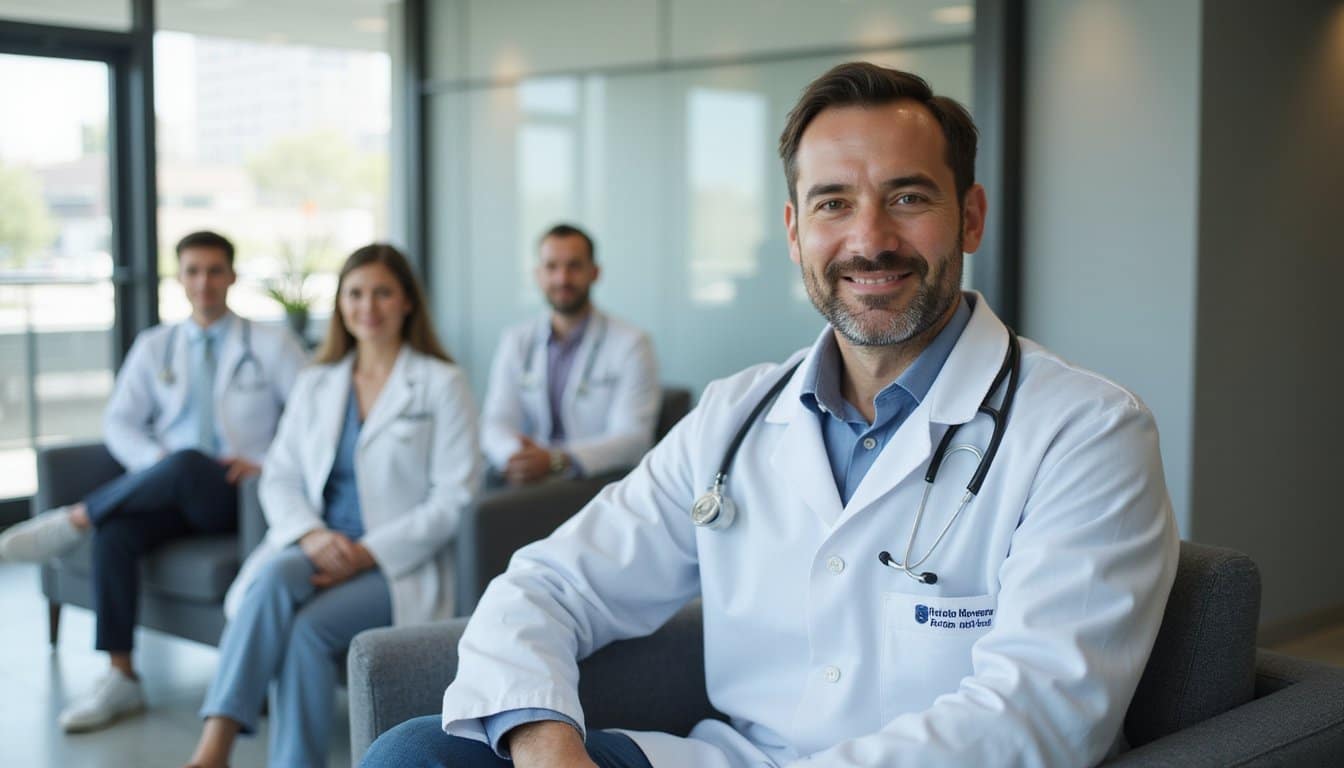
You develop a global mindset in Dubai by treating patients from over 200 nationalities within JCI-accredited facilities that enforce international clinical standards. This daily exposure sharpens your diagnostic reasoning, strengthens cultural competence, and trains you to interpret symptoms through diverse cultural lenses. You’ll encounter conditions underrepresented in Western medical literature, building pattern recognition that most physicians never gain. Dubai’s advanced infrastructure and accelerated specialization pathways further expand how this unique environment transforms your clinical expertise. patient interactions impact doctors in Dubai is evident in the way they adapt their communication styles to cater to diverse patient backgrounds. This adaptability enhances their interpersonal skills and fosters better patient relationships.
What Makes Dubai’s Medical Landscape Different?
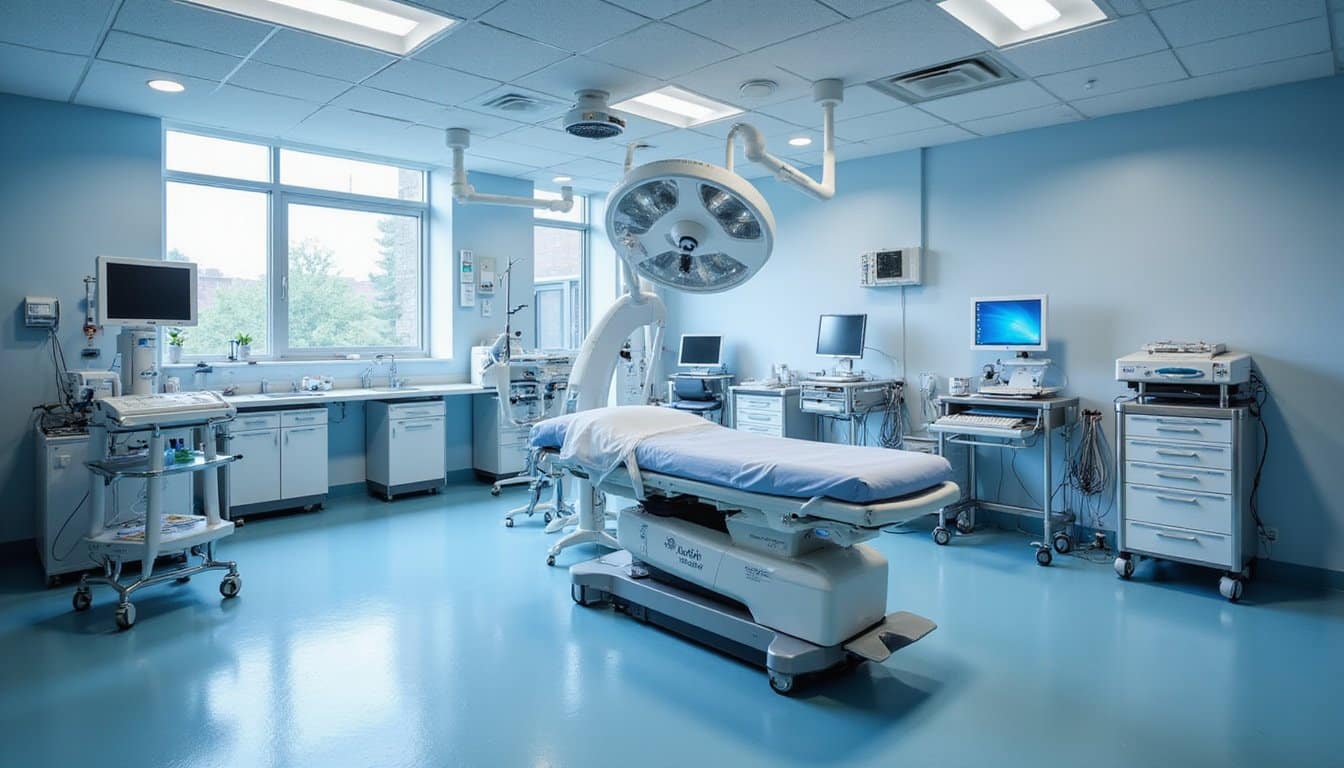
Dubai’s medical landscape stands apart because it merges cutting-edge technology with rigorous international standards at a scale few cities match. You’ll find over 480 registered facilities within Dubai Healthcare City alone, equipped with AI-driven treatments and robotic surgeries. Mandatory JCI accreditation guarantees every facility meets globally recognized benchmarks, making the UAE the regional leader in accredited medical centers.
This environment naturally cultivates a global mindset that doctors in Dubai carry throughout their careers. Treating 630,000+ international patients annually provides Dubai doctors with multicultural exposure that they can’t replicate elsewhere. You’re constantly adapting to diverse clinical expectations, which sharpens your international experience and doctors’ credentials in Dubai. The Dubai healthcare international mindset you develop here isn’t theoretical, it’s built through daily, evidence-based practice alongside colleagues from every continent. With the UAE’s digital health market projected to reach $1.8 billion by 2030, doctors here also gain fluency in the advanced technological systems that are reshaping global healthcare delivery. Why daily work rewards doctors in Dubai is evident in the numerous opportunities for professional growth and advancement. Engaging with an extensive network of healthcare professionals fosters collaboration that enhances patient care.
Why Multinational Patient Diversity Sharpens Your Diagnosis Skills
When you treat patients from dozens of nationalities daily, your diagnostic pattern recognition evolves in ways that homogeneous clinical settings can’t replicate. You learn that disease manifestations differ across ethnic groups, strengthening your cultural competence and diagnostic reasoning with every case. Conditions underrepresented in traditional medical literature become familiar through direct clinical exposure.
Working with international colleagues, Dubai doctors exchange population-specific insights that sharpen differential diagnoses. You develop skills in interpreting symptoms through cultural lenses, recognizing how health beliefs influence symptom reporting. Your understanding of population health data and diagnostic specificity deepens as you correlate demographic factors with disease prevalence patterns. When diagnostic systems encounter high traffic volume or temporary outages, having robust clinical reasoning independent of technology becomes even more essential.
This process of developing global perspective doctors in Dubai accelerates diagnostic accuracy, reduces errors, and builds risk stratification skills that no textbook alone can teach.
How Dubai’s Clinical Infrastructure Expands What You Can Do
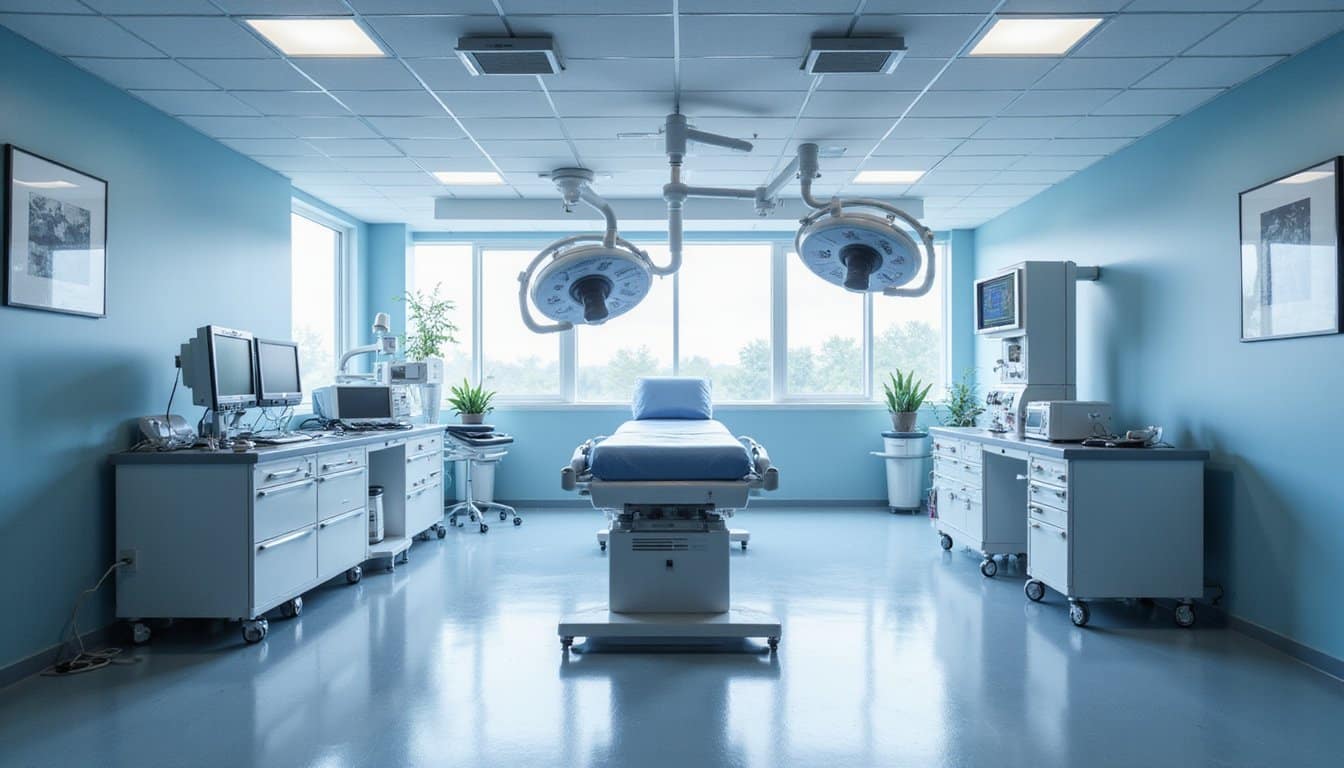
Diagnostic skill sharpens only when the infrastructure around you keeps pace with your clinical ambition, and that’s exactly where Dubai’s physical and digital ecosystem sets itself apart. Healthcare facilities increased 43% between 2019 and 2023, reaching 4,922 sites equipped with AI diagnostics, robotic surgery, and blockchain-secured records. The healthcare workforce keeping these facilities running grew just as rapidly, expanding 49% to reach 58,788 professionals across physicians, nurses, and allied health roles.
Dubai’s specialized service capabilities & clinical centers, including 53 hospitals and 2,315 outpatient clinics, give you access to precision medicine platforms rarely concentrated in one emirate. Medical tourism revenue & international patient access reinforces this advantage: 630,000+ international patients annually demand evidence-based, culturally adaptive care that stretches your expertise across continents.
This convergence of advanced infrastructure and diverse caseloads accelerates your doctor mindset, Dubai global exposure, transforming clinical range into genuine cross-cultural competence.
Rebuilding Your Reputation in a New Healthcare Culture
Because clinical excellence alone doesn’t guarantee patient trust in an unfamiliar market, you’ll need to actively reconstruct your professional credibility through culturally attuned reputation strategies. Working in a global city, Dubai doctors encounter diverse patient expectations shaped by cultural sensitivity & community engagement priorities.
| Reputation Strategy | Impact |
|---|---|
| JCI accreditation display | Strengthens institutional credibility with international patients |
| Proactive review monitoring | Identifies trends across Google, Trustpilot, and Healthgrades |
| Multilingual patient testimonials | Builds trust across Dubai’s diverse demographics |
Your doctor career abroad mindset in Dubai requires monitoring satisfaction metrics, Dubai Health’s 90%+ happiness scores set the benchmark. By promoting positive patient stories and addressing negative feedback empathetically, you’ll develop global awareness that doctors in Dubai need to thrive competitively. Respect and recognition for doctors in Dubai hospitals are essential for maintaining high standards of care. These factors contribute significantly to job satisfaction and, in turn, patient outcomes. Appreciation for doctors in Dubai fosters a collaborative environment that enhances team dynamics. When healthcare professionals feel valued, their commitment to delivering exceptional care increases.
How Practicing Medicine in Dubai Accelerates Specialization
Practicing medicine in Dubai doesn’t just maintain your clinical skills, it fast-tracks your specialization timeline in ways most Western systems can’t match. Emergency medicine specialists, for example, can reach consultant-level positions within 2-3 years, since fewer than 10% of practicing emergency physicians hold formal residency training. This physician’s global perspective on Dubai practitioners reshapes career trajectories entirely.
Strategic specialty selection for accelerated development matters greatly. Neurosurgery and cardiothoracic surgery command the highest demand, with neurosurgeons earning AED 90,000-160,000 monthly. Dermatology, radiology, and psychiatry offer strong advancement potential, while general practice faces oversaturation. For expat doctors, this global exposure makes daily practice more rewarding work, turning what’s typically a decade-long progression into years through specialized medical cities and national infrastructure expansion.
Ready for a Better Balance in Dubai?
A better balance and a more rewarding working day is what draws many doctors to the UAE. At Allocation Assist, we help doctors at every point of the process, from reading up in Guide to Life in Dubai for Doctors to practical support with our DHA license consultancy. If you would like to talk it through, you can book a free consultation.
Frequently Asked Questions
How Does Dubai Support Doctors in Achieving Better Work-Life Balance?
Dubai supports your work-life balance through robust legal protections, capping your workweek at 48 hours, guaranteeing 30 days’ paid annual leave, and mandating rest periods. You’ll benefit from affordable domestic support services, nannies, drivers, and housekeepers, that reclaim your personal time. Flexible contract options, including part-time and freelance arrangements, let you tailor your schedule. During Ramadan, you’ll work reduced hours, reflecting Dubai’s culturally informed approach to sustainable professional practice.
Can Doctors in Dubai Collaborate With International Health Education Institutions?
Yes, you can collaborate with international health education institutions while practicing in Dubai. The city’s global healthcare ecosystem connects you with leading organizations like the Harvard Medical School Center for Global Health Delivery, established in Dubai in 2014. Through joint research, medical education programs, and cross-regional training initiatives, you’ll address health challenges across the UAE, the Middle East, and North Africa. These partnerships strengthen your clinical expertise and broaden your evidence-based, globally-informed practice.
How Does Open Patient Communication Improve Care Outcomes in Dubai?
When you communicate openly with patients, you directly boost their satisfaction, adherence, and health outcomes. Research shows that clear explanations and active listening increase patient trust and compliance with treatment protocols. In Dubai’s multicultural healthcare system, you’ll find that cultural awareness and language concordance further enhance these results. Facilities like Al Zahra Hospital leverage AI-powered platforms to streamline communication, ensuring you maintain a human-centered approach while eliminating barriers to effective patient engagement.
What Role Do Nursing Staff Play in Helping Relocated Doctors Adapt?
Nursing staff serve as your frontline advocates during relocation, conducting frequent check-ins and guiding hospital protocols on your behalf. They’ll help you arrange clinics, adjust schedules, and streamline workflows aligned with Dubai’s healthcare standards. Research consistently shows interdisciplinary collaboration reduces adjustment timelines across culturally diverse settings. Their genuine welcome transforms overwhelming changes into manageable experiences, redirecting your focus from social anxiety to clinical performance, ultimately building the foundation for your long-term professional success.
Do Doctors in Dubai Access Global Health Solutions From Other Countries?
Yes, you can access global health solutions when you practice in Dubai. Working in a multicultural healthcare environment, you’re exposed to diverse medical approaches from colleagues trained worldwide. You adopt international best practices, integrate cross-border treatment protocols, and leverage globally recognized clinical frameworks. Dubai’s healthcare infrastructure encourages you to engage with international medical networks, ensuring you stay informed about emerging solutions. This access strengthens your clinical adaptability and helps you deliver culturally competent, evidence-based care.