A healthcare salary in Dubai ranges from around AED 8,000 a month for allied and support roles to AED 140,000+ for senior medical consultants, all tax-free. Nurses, allied health professionals, doctors and hospital management each sit in a different band, and within every band pay is set by experience, sector, district and certification. This guide covers the full sector; for pay broken down by medical specialty, see the specialist doctor salary guide.
Key takeaways
- Role type is the biggest divider: support and allied AED 8,000 to 28,000, nurses AED 8,000 to 48,000, doctors AED 15,000 to 140,000+ per month.
- The highest-paying healthcare jobs in Dubai are surgical and cardiac consultants; the lowest are entry administrative and support roles.
- Private pays a higher base; government pays less base but stronger housing, flights and schooling.
- Four factors move every salary: sector, district, employment type and certification.
- 0% income tax means gross pay is close to take-home.
Healthcare Salary Ranges at a Glance

Dubai’s healthcare salaries vary widely by role. Doctors earn the most, followed by senior nursing and specialist allied-health roles, then general nursing, allied health and administration. Typical 2026 monthly figures across the sector:
| Role | Monthly Salary (AED) |
|---|---|
| Consultant doctor | 55,000 to 140,000+ |
| Specialist doctor | 35,000 to 90,000 |
| General practitioner | 15,000 to 45,000 |
| Head nurse / nursing manager | 30,000 to 48,000 |
| Clinical nurse specialist (ICU/NICU/OR) | 22,000 to 35,000 |
| Clinical pharmacist | 12,000 to 28,000 |
| Radiographer / imaging technologist | 10,000 to 26,000 |
| Physiotherapist | 10,000 to 24,000 |
| Registered / staff nurse | 8,000 to 19,000 |
| Medical lab technologist | 8,000 to 19,000 |
| Hospital administrator (indicative) | 10,000 to 25,000 |
| Hospital management / director (indicative) | 40,000 to 90,000+ |
Doctors enjoy tax-free income, and so does every other role. With over 4,000 facilities operating across Dubai, candidates have wide choice. Full-time positions carry the strongest packages; contract roles pay less, typically AED 7,000 to 15,000 monthly. Role ranges above are drawn from 2026 UAE healthcare recruitment guides; administration and management figures are indicative, as they vary widely by seniority.
Highest-Paying Healthcare Jobs in Dubai
The highest-paying healthcare jobs in Dubai are surgical and cardiac consultant roles. Neurosurgeons and cardiothoracic surgeons lead, with plastic and orthopaedic surgeons close behind, driven by medical-tourism demand and specialist shortages. Senior consultants with advanced subspecialties can command packages exceeding AED 1.3 million a year in the private sector.
For the full breakdown of what each surgical and medical specialty pays, see the specialist doctor salary by discipline. Outside medicine, the best-paid non-doctor roles are nursing managers, clinical nurse specialists and hospital directors.
Consultant and Senior Role Income
Among doctors, cardiology consultants lead the non-surgical fields at AED 80,000 to 90,000+ monthly, with radiology consultants at AED 60,000 to 80,000, and neurology and oncology also among the top earners. Full-time contracts pay AED 55,000 to 140,000 for consultants, while part-time roles yield AED 10,000 to 16,700+ per month. Many professionals negotiate above the advertised range, so published figures act as a floor rather than a ceiling.
High-Demand Surgical Fields
Surgical consultants earn the top healthcare salaries in Dubai: neurosurgery and cardiothoracic surgery lead, followed by plastic surgery (driven by cosmetic and medical-tourism demand) and orthopaedics (strong demand in trauma and sports medicine). Rising cardiovascular disease across the GCC keeps cardiac demand high. Recruitment favours board-certified surgeons from North American and European programs with minimally invasive and robotic experience. Exact per-specialty ranges are on the specialist salary page.
Experience-Based Salary Progression
Medical and nursing careers in Dubai follow clear tiers, with performance-based pay driving advancement. The UAE has no minimum wage, but the healthcare sector holds high standards, and roles are diverse and expanding:
- Entry-level specialists start at AED 35,000 to 60,000 monthly, climbing to AED 70,000 to 85,000 with 5 to 10 years’ experience.
- Senior consultants with 10+ years command AED 90,000 to 140,000 monthly, higher with private-sector incentives.
- In nursing, staff nurses progress to clinical nurse specialist (AED 22,000 to 35,000) and nursing manager (AED 30,000 to 48,000).
Annual increments run 4 to 8% with performance, and fellowships raise starting salaries 20 to 30%. The sector tracks the UAE-wide trend of around 4% salary increases for 2026.
Earnings From Entry Level to Senior
Earnings follow a clear upward path, from AED 25,000 to 35,000 monthly at entry level to AED 90,000 to 140,000 for senior specialists with 10+ years. The largest jumps come in the mid-career phase (4 to 9 years), where GPs reach AED 40,000 to 45,000 and surgeons AED 50,000 to 82,000.
High performers in cardiology, neurosurgery and orthopaedics accelerate through 10 to 15% annual raises. Benefits packages add up to 45% of base salary, including housing, transport and education allowances.
Entry-Level to Senior Earnings
The trajectory follows three tiers, from entry roles up to senior consultants at AED 140,000 per month, boosted by performance bonuses and private-practice premiums:
- Entry-level specialists: AED 420,000 to 720,000 annually, lower in smaller clinics.
- Mid-career (5+ years): AED 720,000 to 1,080,000 yearly, with 10 to 15% annual increases.
- Senior consultants: AED 1 million+ annually, particularly in private hospitals.
Career Growth Pay Scale
Performance-driven professionals grow income faster than standard progression, with top performers gaining 10 to 15% a year through certifications and measurable outcomes. Part-time consultants earn AED 10,000 to 16,700+ monthly, and high-demand fields like interventional cardiology and neurosurgery exceed AED 90,000. Telemedicine and consultancy work add supplementary income, on top of the sector’s roughly 4% annual increment for 2026.
Employment Types and Their Pay Scales

Employment type shapes pay across the sector. Full-time roles carry the highest earnings and fullest benefits, with consultant specialists at AED 55,000 to 140,000 monthly. Part-time and contract roles offer flexibility but less pay, at AED 10,000 to 16,700 and AED 7,000 to 15,000 respectively.
Full-time medical consultants earn significantly more than part-time or contract staff, with the gap widening at senior levels through bonuses and benefits.
Three factors set earnings across employment types:
- Role and seniority, where consultants and surgeons reach the top of the range.
- Experience, driving 10 to 15% annual increases for top performers.
- Arrangement, where full-time roles carry extensive benefits that contract roles lack.
Remote and telehealth roles generally align with part-time pay, around AED 10,000 to 16,700 monthly.
Geographic Salary Variations Across Dubai
Practice location affects pay. Central business districts such as Downtown and DIFC offer top-tier packages up to AED 90,000 monthly for specialists, and affluent areas like Dubai Marina and Palm Jumeirah pay 10 to 20% above outer districts, reflecting patient demographics. High-cost areas also add housing allowances up to AED 15,000 monthly.
District Pay Rate Differences
Earnings vary sharply by district. Private competition in Dubai Healthcare City pushes consultant salaries up to AED 90,000 monthly, while public-sector areas like Satwa and Karama sit at AED 30,000 to 40,000 for specialists.
- Dubai Healthcare City and Dubai Marina: AED 80,000 to 110,000 for surgeons, driven by medical tourism.
- Bur Dubai and Deira: mid-range, specialists up to AED 60,000 monthly.
- Satwa, Karama and Oud Metha: AED 30,000 to 40,000, shaped by public-sector presence.
The private sector pays around 40% more than public hospitals, with medical-tourism hubs commanding premium rates.
High-Income Area Premiums
Dubai’s most prestigious districts carry salary premiums of 10 to 30% above city averages, particularly in JCI-accredited facilities. Typical monthly premium ranges:
| Location | Specialty | Monthly Premium Range (AED) |
|---|---|---|
| Downtown Dubai | Cardiology | 70,000 to 90,000 |
| Dubai Marina | Orthopedics | 65,000 to 85,000 |
| Jumeirah | Radiology | 60,000 to 80,000 |
| Emirates Hills | Neurosurgery | 75,000 to 95,000 |
The highest premiums are in luxury private facilities across Al Wasl and Emirates Hills, where Western board-certified specialists secure packages exceeding AED 1M annually.
Hospital Location Impact
Hospital location creates distinct salary tiers. Proximity to central business districts raises base salaries up to 30% versus suburban facilities. Determinants include:
- Transport access, where hospitals near metro and highways offer mid-range pay on easier commutes.
- Medical-tourism zones, where facilities near luxury hotels pay premiums for high-end services.
- New medical districts, which offer competitive packages to attract talent.
Central Dubai hospitals lead in specialist pay, especially cardiology and oncology; peripheral facilities focus on general practice at more modest levels.
Compensation Package Breakdown
Healthcare packages in Dubai outperform many Western markets. Doctor basic salaries run AED 35,000 to 90,000 per month at specialist level, with the rest of the package in allowances. See pay by specialty for discipline-level figures. A typical package splits as:
| Component | Typical Allocation |
|---|---|
| Basic Salary | 70 to 80% of package |
| Housing Allowance | AED 5,000 to 15,000/month |
| Transport Benefits | Company car or allowance |
| Education Support | Up to 100% coverage |
| End-of-service Gratuity | Based on tenure |
Packages include mandatory health insurance, 30 days’ annual leave and round-trip airfare home. High performers see 10 to 15% annual increments. Tax-free status raises the real value of every component.
Market Demand and Salary Trends
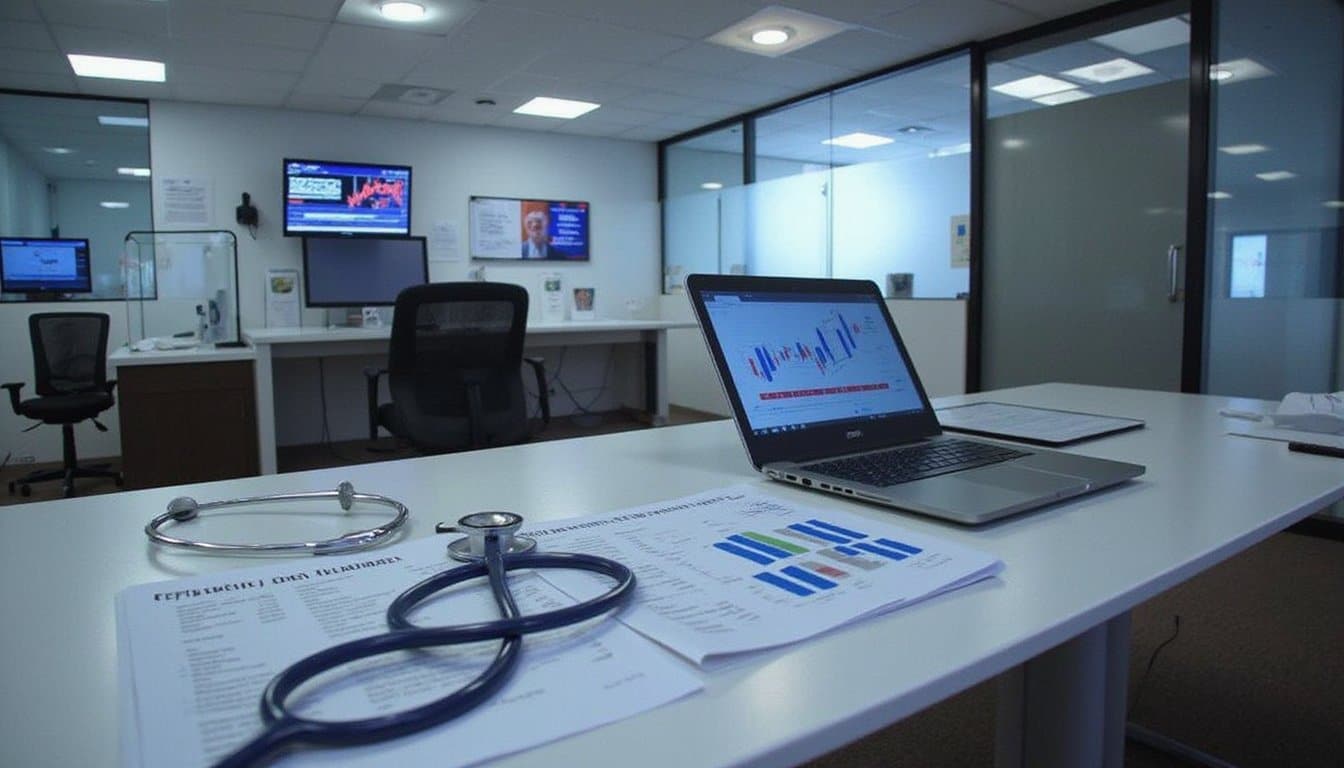
As Dubai’s healthcare sector expands through 2026, salaries keep rising, with surgical consultants at AED 50,000 to 90,000 monthly and senior specialists up to AED 140,000. Specialist healthcare professionals drive this growth.
The market is competitive due to localisation policies and talent-attraction strategies among private providers. Annual growth of 3 to 6% outpaces national averages, and tax-free pay adds appeal for international candidates. Key growth areas:
- Cardiology, neurology and oncology, with highest demand and premium pay.
- Healthcare IT and telemedicine, with rising salaries from digitalisation.
- Mental health professionals, up to AED 69,000 monthly amid growing demand.
Certification Impact on Earning Potential
DHA licensing sets baseline eligibility; supplementary certifications raise pay across every specialty. Western board certifications add AED 10,000 to 30,000+ monthly:
| Certification Type | Salary Impact | Experience Requirement |
|---|---|---|
| Sub-specialty Fellowship | +15 to 40% | 2+ years post-internship |
| Western Board Certification | +AED 10,000 to 30,000/month | Based on specialty |
| International Credentials | Premium benefits | Varies by institution |
Consultant-level positions with board certification see 20 to 60% higher compensation than specialist roles, especially in government and premium private facilities.
Cost of Living Adjustments for Medical Professionals
Dubai’s cost of living shapes the real value of a package. Housing typically takes 35 to 50% of net income, with annual rents of AED 50,000 to 150,000 near major hospitals. Adjustments to weigh:
- No personal income, state or municipal tax on take-home pay.
- Utilities averaging AED 500 to 1,500 monthly.
- Annual increases of 5 to 7% for standard roles, up to 15% for high performers.
Consumer prices run 10 to 15% above Western benchmarks in central and affluent zones, which offsets part of the tax-free advantage.
Benefits and Additional Compensation Elements
Five benefit categories sit on top of base pay. Housing comes as furnished accommodation or an allowance, often with subsidised utilities. Health coverage includes preventive and wellness care, and some facilities now offer remote options. Families receive education allowances and childcare support. Annual leave usually exceeds 30 days, with travel allowances and end-of-service gratuity. The tax-free environment, combined with 10 to 15% annual progression for strong performers, plus pension and savings options, compounds long-term earnings.
Want to Know What You Could Earn in Dubai?
Salary ranges show the market; an actual offer depends on your grade. The Doctors Grade & Salary Estimator shows where a set of qualifications lands on the Specialist to Consultant ladder in minutes. Allocation Assist helps healthcare professionals turn that estimate into a move, from DHA licensing to matching candidates with vacancies across the UAE. Book a free consultation to get started.
Frequently Asked Questions
What is the average healthcare salary in Dubai?
It depends on the role. Registered nurses earn AED 8,000 to 19,000 a month, allied health professionals AED 10,000 to 28,000, GPs AED 15,000 to 45,000, specialists AED 35,000 to 90,000 and consultants AED 55,000 to 140,000. All are tax-free.
What is the nurse salary in Dubai per month?
A registered staff nurse in Dubai earns AED 8,000 to 19,000 per month. Clinical nurse specialists in ICU, NICU or theatre earn AED 22,000 to 35,000, and nursing managers AED 30,000 to 48,000.
What is the hospital management salary in Dubai?
Hospital administration roles vary widely by seniority, from around AED 10,000 to 25,000 a month at administrator level to AED 40,000 to 90,000+ for hospital managers and directors. Figures are indicative and depend on facility size and remit.
Which healthcare job pays the most in Dubai?
Surgical and cardiac consultants, neurosurgeons and cardiothoracic surgeons, earn the most, at AED 80,000 to 150,000+ per month, followed by plastic and orthopaedic surgeons.
How Do UAE Medical License Requirements Affect Salary Negotiations for Foreign Doctors?
Licence status affects negotiating power. Without full licensure, offers can sit 20 to 30% below market. Documented licensing progress or US/UK board credentials help secure better terms and raises tied to licensing milestones.
What Percentage of Healthcare Specialists Receive Performance-Based Bonuses in Dubai Hospitals?
Over 80% of specialists receive performance bonuses, based on clinical outcomes, patient-satisfaction scores and departmental targets. Private hospitals pay them more consistently, and high-demand fields like cardiology and orthopaedics attract higher percentages.
Are There Opportunities for Medical Moonlighting or Locum Work in Dubai?
Yes. Locum specialists earn AED 250 to 650 per hour, particularly in emergency medicine, radiology and anaesthesiology. DHA licensing and MOHRE registration are required, and work must stay within the registered specialty.
How Often Do Dubai Healthcare Facilities Review and Adjust Specialist Salaries?
Most facilities review salaries annually, with standard increases of 3 to 6%. High-demand specialties or strong performers can see 10 to 15%, and off-cycle reviews occur during economic shifts or new Emiratisation policies.
What Relocation Assistance Do Dubai Hospitals Typically Offer International Healthcare Specialists?
Relocation support usually covers visa sponsorship for the family, DHA licensing help, 1 to 3 months of paid accommodation, airfare and airport pickup, plus document translation, bank setup and school placements.