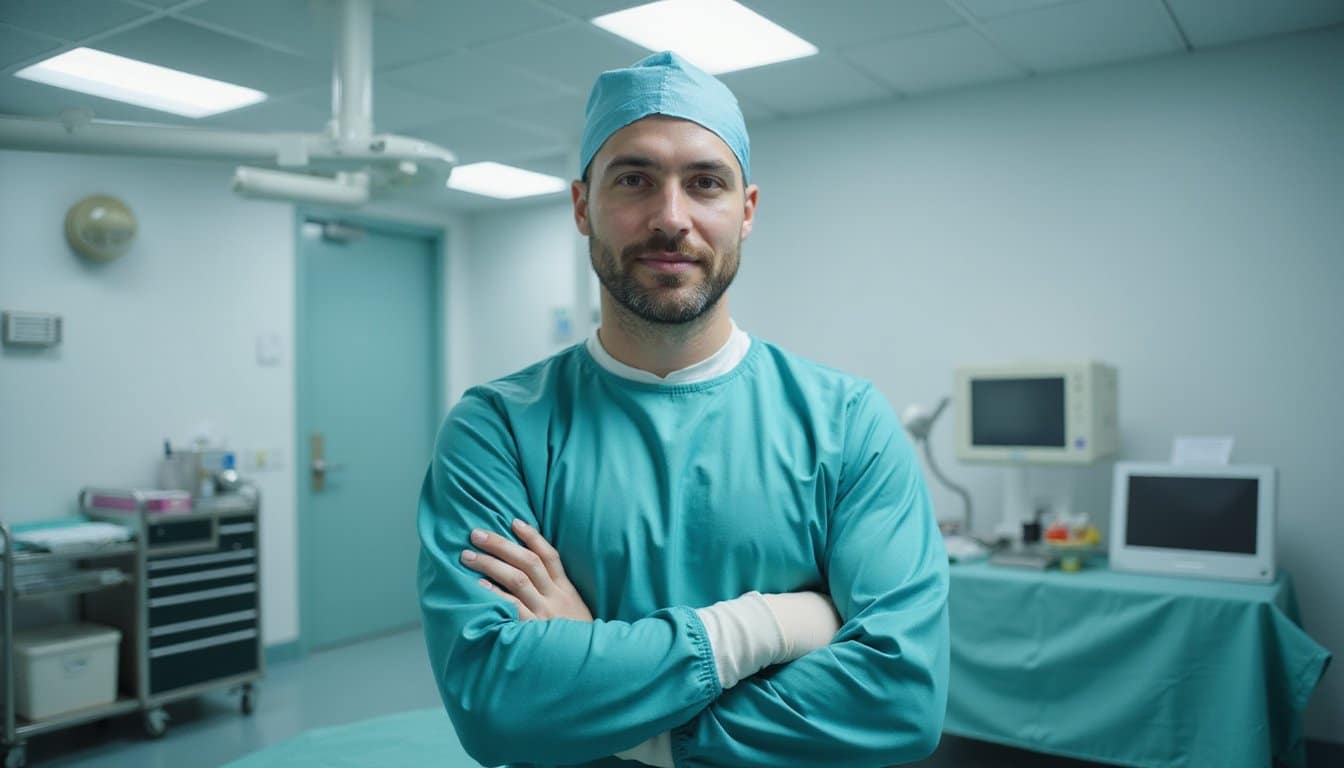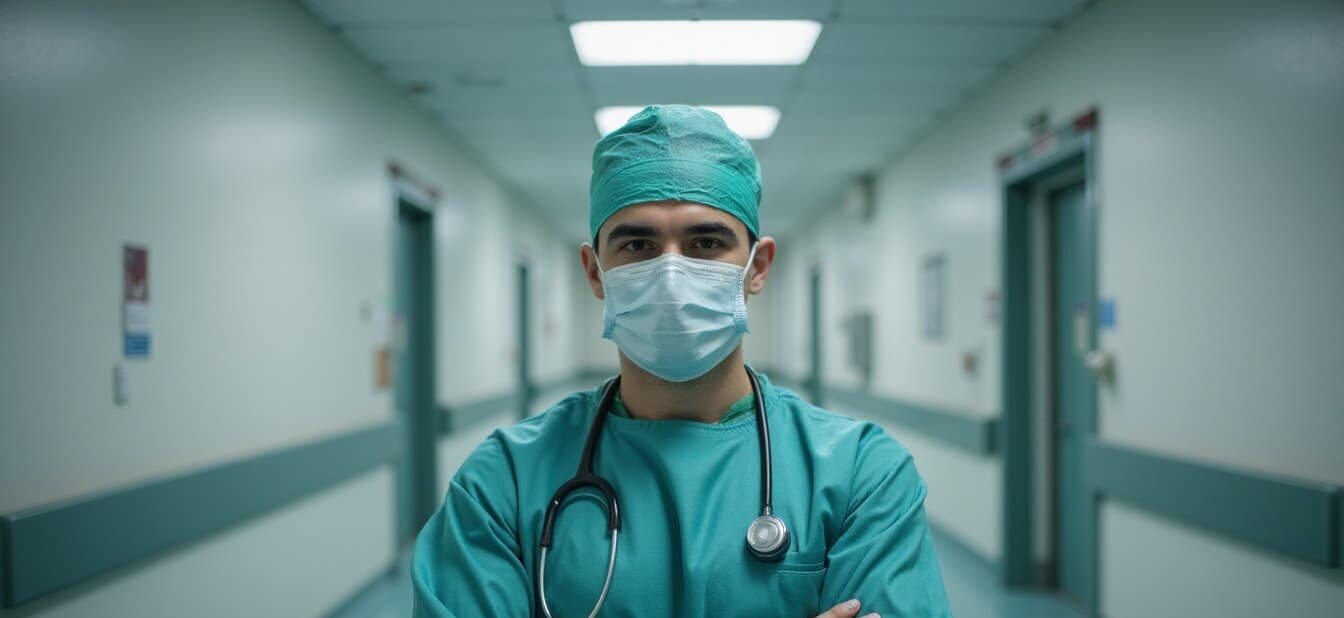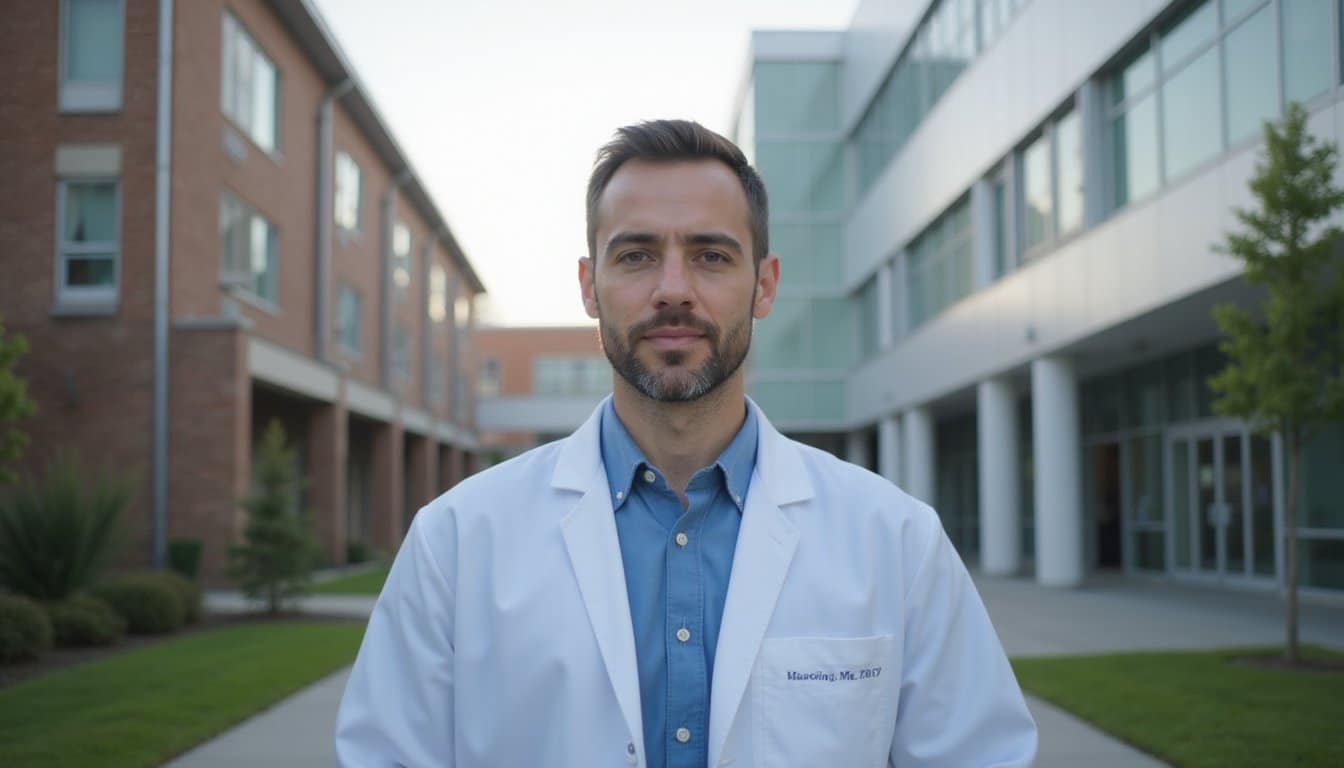
Your ACGME-accredited residency and board certification make you a strong candidate, and the US Anesthesiologists in Demand in Dubai hospital reflects current hiring patterns across major facilities. Dubai hospitals are actively recruiting US-trained anesthesiologists for consultant roles offering around $303,000 annually, completely tax-free, along with housing allowances and malpractice coverage. To secure these positions, you’ll need to tailor your CV with a dedicated licensing section, clearly quantify case volumes, and work with specialized healthcare recruiters who manage DataFlow verification. Below, you’ll discover exactly how to position yourself for these opportunities.
Why Dubai Hospitals Want US-Trained Anesthesiologists
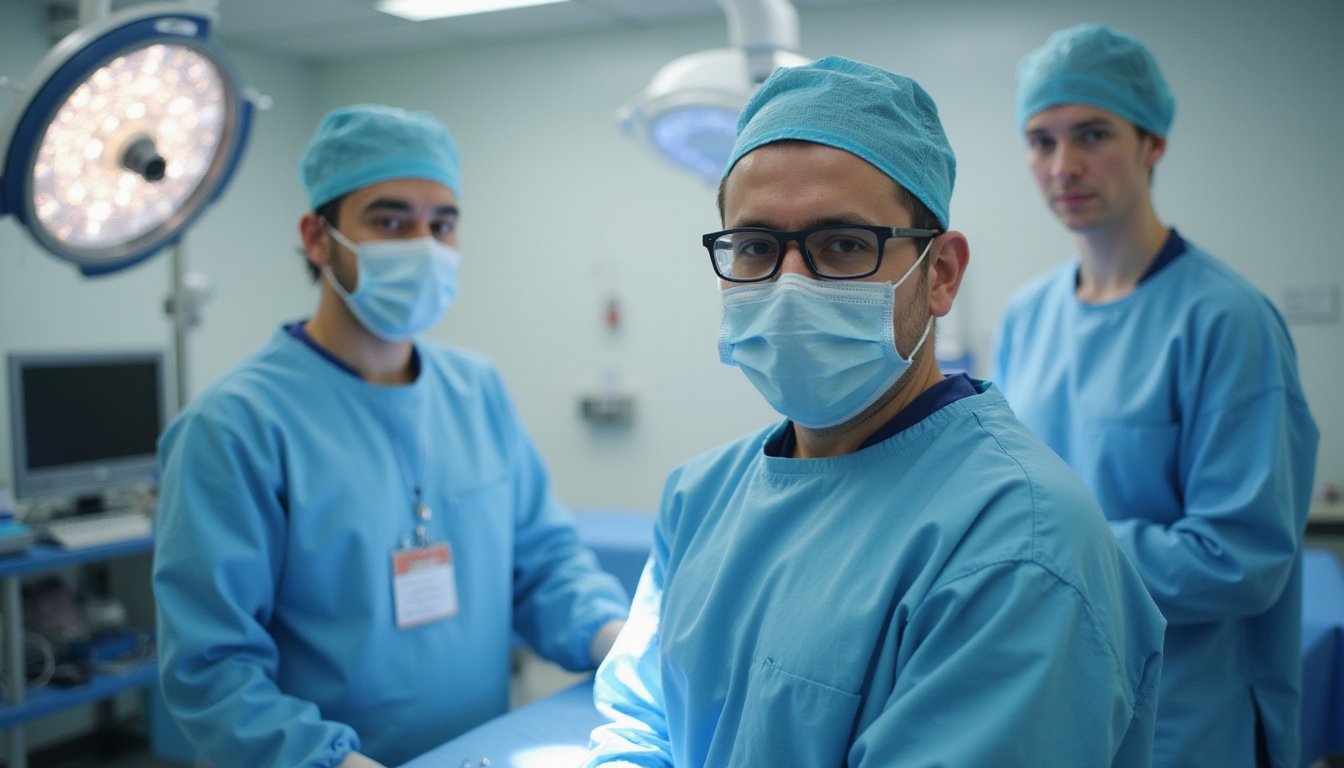
US-trained anesthesiologists have become highly sought-after candidates for Dubai’s leading hospitals, and the reasons extend beyond simple credential recognition. Your ACGME-accredited residency reflects rigorous training standards that Gulf employers actively prioritize. Major institutions like Cleveland Clinic Abu Dhabi specifically recruit North American board-certified physicians to maintain high clinical benchmarks.
Dubai’s medical licensing frameworks work in your favor. The UAE accepts ABMS certification as a top-tier credential, eliminating additional examination requirements. This streamlined process reduces onboarding time and makes you administratively attractive to hiring managers. Your ability to manage critically ill ventilated ICU patients demonstrates the advanced competencies that Dubai’s growing critical care units require.
Your training also aligns with Dubai’s healthcare ambitions. You’ve handled complex tertiary cases, worked with advanced OR technology, and developed subspecialty expertise in areas like cardiac and pediatric anesthesia. These skills match exactly what Dubai’s expanding specialty centers need to attract regional patients. Your expertise in perioperative anesthetic care positions you as an essential component of surgical programs seeking to deliver lifesaving and essential surgeries.
What US Anesthesiologists Earn in Dubai (Tax-Free)
Beyond credential recognition and career fit, compensation stands as a major draw for American anesthesiologists considering Dubai. You’ll find average salaries around AED 1,115,000 annually (approximately $303,000), with consultant-level positions reaching AED 840,000 or higher depending on your subspecialty and experience. Anesthesiology ranks among the high demand specialties in Dubai’s healthcare market, making qualified candidates particularly competitive.
The real advantage lies in tax free benefits. Unlike your US earnings, where federal and state taxes can consume 30-40% of a $350,000 salary, Dubai pays gross as net. Your entire paycheck stays yours. For comparison, US anesthesiologists earn an average base salary of $349,293 per year before taxes significantly reduce take-home pay.
Most employers add housing allowances, schooling stipends, annual travel budgets, and malpractice coverage on top of base pay. These bundled benefits considerably boost your total compensation package.
This structure accelerates net wealth accumulation substantially. You’ll direct a larger share of income toward savings and investments than you would stateside at comparable nominal pay levels.
What Clinical Practice Looks Like in Dubai Hospitals
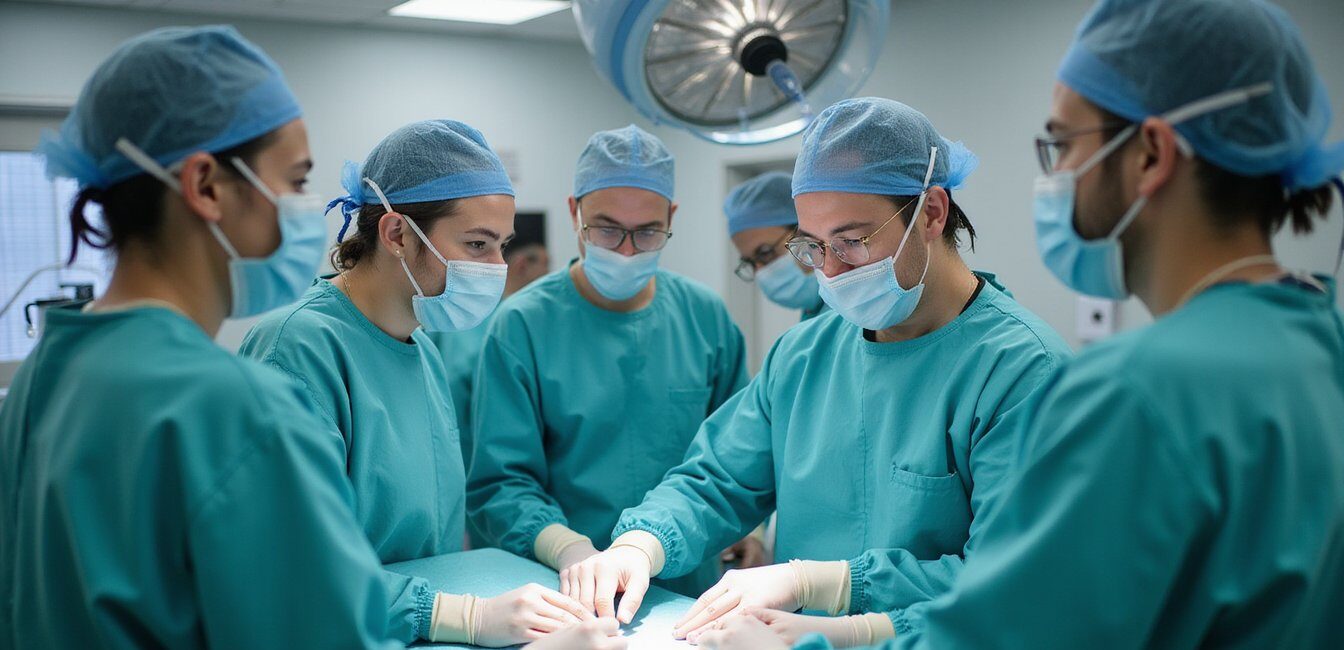
When you step into a Dubai tertiary hospital, you’ll encounter a clinical environment that mirrors, and sometimes exceeds, what you’ve experienced in major US academic centers. You’ll manage a broad case mix spanning cardiac surgery, neurosurgery, complex trauma, and obstetrics with 24/7 labor analgesia coverage.
High acuity case management defines daily practice. You’ll work with advanced monitoring systems, ultrasound-guided regional techniques, and electronic anesthesia information management systems. Clinical protocols align with ASA and international standards. Pediatric anesthesia specialists deliver tailored solutions for infants and children, emphasizing safety and age-specific considerations.
Multidisciplinary collaboration shapes your workflow. You’ll coordinate regularly with surgeons, intensivists, cardiologists, and interventional specialists across hybrid ORs and cath labs. Pre-anesthesia clinics use structured assessments, while dedicated PACUs guarantee standardized postoperative care. You’ll also participate in code blue coverage and trauma activations alongside your perioperative responsibilities. Acute pain management services utilize nerve blocks, epidural injections, and advanced pharmacological treatments to optimize patient recovery outcomes.
How to Tailor Your CV for Dubai Hospital Recruiters
- Include a dedicated “Licensing & Eligibility” section stating your DHA/DOH/DOH status, DataFlow verification progress, and credential validation timeline
- List life-support certifications (BLS, ACLS, PALS) prominently, as hospitals require these for credentialing
- Quantify your clinical experience in years, specifying case volumes for regional blocks, difficult airway management, and ICU involvement. Highlight your ability to support multidisciplinary teams in delivering high-quality healthcare, as this collaborative approach is essential for perioperative patient management in Dubai hospitals. Ensure your CV clearly demonstrates at least 3 years of post-qualification clinical experience as a Specialist, which is a key requirement for positions at leading facilities.
Keep your CV between two and four pages.
Where to Find Dubai Anesthesiology Jobs: and How to Land One
Three main channels connect US-trained anesthesiologists with Dubai hospital positions: online job portals, direct hospital career pages, and specialized medical recruitment agencies. Global platforms like LinkedIn, Bayt, and GulfTalent list 20, 50 anesthesia roles at any time. Filter by “Dubai” and DHA/DHCC license tags to find eligible positions quickly.
Hospital career pages at Mediclinic, Aster DM Healthcare, and Dubai Health Authority offer direct application routes. These employers value candidates who understand licensing requirements for Dubai anesthesiology jobs and can navigate NABIDH-integrated digital systems. AI-powered digital platforms now match your credentials with open positions, with screening tools reducing hiring time by dozens of hours per position.
Healthcare recruitment agencies like Prospect Health and Medacs streamline your search by handling DataFlow verification and contract negotiations. They’ll also brief you on cultural considerations for US anesthesiologists in Dubai. Set alerts across all channels, most positions close within 7, 14 days. Professional associations and networking connections can also lead to job opportunities that may not be publicly advertised on standard job boards.
Frequently Asked Questions
How Long Does the DHA Licensing Process Take for US Board-Certified Anesthesiologists?
You can expect the DHA licensing process to take 3, 6 months from start to finish. Your application processing time breaks down into several phases: Primary Source Verification (3, 6 weeks), exam scheduling if required, and final review. Meeting all licensure requirements upfront, complete documents, verified credentials, and board certification, accelerates things considerably. Delays typically occur when DHA requests additional documentation, so guarantee everything’s accurate before submitting your application.
Can My Spouse Work in Dubai While I’m Employed as an Anesthesiologist?
Yes, your spouse can work in Dubai while you’re employed as an anesthesiologist. You’ll first sponsor them on a family residence visa, which covers basic visa requirements for dependents. However, this visa alone doesn’t authorize employment. Once your spouse secures a job offer, their employer must obtain a separate work permit through MOHRE or the relevant free zone. Spouse employment opportunities exist across many sectors once proper work authorization is in place.
What Are the Typical On-Call Requirements for Anesthesiologists in Dubai Hospitals?
You’ll typically work a 1:3 to 1:5 call rotation, meaning on-call every third to fifth night. Coverage requirements vary by facility, larger tertiary centers often require on site availability, while private hospitals may use home call with 20-30 minute response times. Your on-call duties will include emergency surgeries, obstetric anesthesia, ICU coverage, and hospital-wide code responses. Department chiefs usually control scheduling, so expect your rota to depend on team size and case volume.
Do Dubai Hospitals Offer Two-Year Guaranteed Salary Contracts for Relocating US Anesthesiologists?
Dubai hospitals don’t typically offer two-year guaranteed salary contracts for relocating US anesthesiologists. Instead, you’ll find open-ended contracts with 3, 6 month probation periods. Your salary structure usually includes a base salary plus allowances for housing, transport, and education, subject to annual performance reviews. Relocation benefits commonly cover flights, initial accommodation, visa processing, and sign-on bonuses rather than multi-year salary guarantees. Contract duration often aligns with visa validity, but compensation remains performance-dependent.
What Subspecialties Are Most in Demand for Anesthesiologists in Dubai Right Now?
Dubai hospitals currently prioritize pediatric anesthesia, cardiac anesthesia, and critical care anesthesiology subspecialists. You’ll find strong demand if you bring fellowship training in these areas, particularly with JCIA-accredited facility experience. Obstetric anesthesiology positions also appear regularly as maternal-fetal medicine programs expand. Tertiary centers specifically seek consultants for complex surgical cases, hybrid OR procedures, and ICU leadership roles. Your Western board certification gives you a competitive advantage for these high-acuity positions.