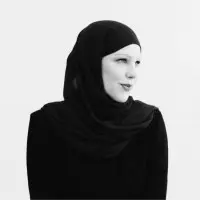
Dr Arunodaya Mohan is a UK-trained Consultant Haematologist who has recently relocated from the United Kingdom to Dubai. She built her expertise within the NHS, including at Maidstone & Tunbridge Wells NHS Trust, and trained for several years in haematology with additional paediatric experience at some of the UK’s most respected institutions, including Hammersmith Hospital, Great Ormond Street Hospital, and the John Radcliffe Hospital. She has worked as a consultant in several district general hospitals and tertiary centres in and around London and the Kent area. Dr Mohan now practises at NMC Royal Hospital, Dubai Investment Park (DIP), and NMC Specialty Hospital, Al Nahda, where she delivers specialist care across both malignant and non-malignant haematology. In this interview, she shares her experience of moving to the UAE and the professional and personal rewards that have followed.
From the NHS to Dubai: A Career Built Across Leading UK Centres
Dr Arunodaya Mohan’s career was shaped by years of training and consultant practice within the National Health Service. She trained for several years in haematology, with additional paediatric experience, and has worked as a consultant in several district general hospitals and tertiary centres in and around London and the Kent area, including at Maidstone & Tunbridge Wells NHS Trust. Her training and experience took her through some of the United Kingdom’s most respected institutions, including Hammersmith Hospital, Great Ormond Street Hospital, and the John Radcliffe Hospital. Building thoracic surgery in the UAE has become a priority for many medical professionals seeking to enhance healthcare services in the region.
She says: “My years of training and experience in the NHS has made me the clinician I am now. The NHS is an extraordinary system. It is very organised, with dedicated colleagues, nurses, excellent teamwork, a collaborative approach, audit, and research.” That grounding in a structured, research-driven environment still shapes the way she practises today, a thread that runs throughout Dr Kirthika Jeyaraman’s journey from London to Dubai.
Why Dubai and Why Now
The decision to leave a long-established NHS career was, as she puts it, “mostly for growth and to build on the experience that I had already had into a different healthcare system which is also rapidly evolving, as in Dubai.” With over 20 years of experience behind her, she was ready for a new challenge in a fast-moving healthcare environment.
She says: “We identified, with the help of Allocation Assist also, that Dubai has got excellent infrastructure. They are very open to new ideas, they are happy to invest in new treatments, and so with the capabilities they already have and with the infrastructure and the organisation that is being provided in healthcare in Dubai, I thought that this is the right time, also that I was ready to move and explore new challenges.”
Her experience treating patients from multiple ethnic backgrounds in and around London also proved to be a useful bridge to Dubai’s diverse patient population. “There are specific haematological conditions which are predominant in certain ethnic groups within a diverse population. So that experience would probably give me an advantage to work in a similar kind of diverse population group as we find in Dubai.”
Addressing the Fears of Relocation
Like any clinician moving abroad with a family, Dr Mohan had her own concerns at the start. “Just like any other family would be moving to a new country and to a new job with a different healthcare system, obviously you would have fears of whether you would be adapting to a new healthcare system, to a new set of patients and how the system works. And obviously within the family, whether your kids and everybody would find a similar environment in schools and things like that.” These are familiar themes for many physicians relocating to the Gulf, as the Dr Hecham Harb interview also explores.
The reality turned out to be reassuring. “Our fears were all addressed well in Dubai. We were quite welcomed both at work and also for living as well.” At work, she found a supportive environment, with strong infrastructure, accessible services, and engaged colleagues. “I feel that I am in a very safe, supported place at work, and it has got enough potential to be able to work in a similar way that I had worked before.”
The family side worked out just as well. The family found good support for child care and home help, and schools at a similar standard to what they had been used to. “I feel we did not miss anything, and it is a very enriching atmosphere that I am currently exposed to and well adapted at this time, within a very short period.”
What Dubai Offers Professionally
Professionally, Dr Mohan describes Dubai’s healthcare system as ambitious, organised, and moving quickly. “Dubai’s healthcare system is rapidly evolving. It is looking forward to new treatments, advances. They are very ambitious, organised, and moving fast, pretty quickly.”
One of the bigger professional advantages, she says, is how quickly advanced therapies become available. “The treatments that we are able to offer in many specialties and super specialties are available, provided we ask for them. Some of the chemotherapy medications that we are able to give is able to be provided to the patients much earlier with FDA approval and the local regulatory system, compared to other places in the world where we would have to wait for funding approvals.” For a specialty like haematology, where timing can be critical, that is a real advantage.
The system’s collaborative, multi-disciplinary culture has also been important to her practice. “We have a similar kind of collaborative approach with other specialties, which is really needed in this kind of specialty like haematology, where these patients are needing high-risk treatments and they need a multi-disciplinary team approach from many other specialties. So I feel that we are able to provide safe, efficient, and excellent quality of care, even for very highly specialised treatments needed for haematology.”
Inside NMC Royal Hospital DIP and NMC Specialty Hospital Al Nahda
Dr Mohan now works across NMC Royal Hospital DIP and NMC Specialty Hospital Al Nahda, both of which she says are well equipped to support advanced haematology. “NMC Royal DIP and NMC Al Nahda Hospital have allowed me to work at a level that I had been working before as well. They have got excellent infrastructure in all sub-specialties, and there is a very good potential to be able to provide advanced treatment for haematology patients.”
The hospitals operate with a multi-disciplinary team approach across specialties and offer good access to chemotherapy medications, which she identifies as a crucial need for her patients. The laboratory infrastructure is, as she puts it, excellent. “We are able to provide specialised diagnostics, whether it be molecular or genetic studies or genomics, in bone marrow samples and CSF samples. The diagnostic part of laboratory diagnostics for these kind of patients are super specialised, but our lab has got excellent referral pathways or, whether it be outsourcing, they are all well set up to be able to provide this kind of care, to be able to timely diagnose and treat them efficiently.”
She also values the haematology MDT, which links clinicians across NMC hospitals. “We have a haematology MDT where we discuss haematological patients with the clinicians from other NMC hospitals as a network, which provides us the opportunities to discuss this with many clinicians who are treating haematology patients. These colleagues are trained and have good experience in many other countries in the globe, and we are able to use all of that experience to be able to best manage our patients in the most efficient way and choose the most safest and efficient advanced treatments for each one of our patients.”
She also credits her team: “We have excellent colleague support, higher management, and nursing staff who are very well experienced. I am lucky to be part of this group who are being able to support our services very well.”
The Patients Dr Mohan Cares For
As a Consultant Haematologist, Dr Mohan manages a broad spectrum of haematological conditions across both malignant and non-malignant haematology. These include benign or non-cancerous conditions such as abnormal blood clots, anaemia, low platelet counts, bleeding and clotting problems, and haemoglobinopathies such as sickle cell and thalassaemia. She also cares for patients with suspected or confirmed cancers including myeloma, lymphoma, and chronic leukaemias.
She has clear advice for patients on when to ask for a haematology review. “If you have had some unexplained weight loss or fevers, continuous fevers without reason, you are experiencing some lumps and bumps, some lymph nodes elsewhere, or sweats, unusual bleeding and bruising, these are the symptoms that you would look for. If you think you have this, you can approach directly either your general medicine doctor to start with a blood count and then they can be referred, or directly come and see me as well.”
Even though the haematology service at NMC is fairly new, the range of work it has already taken on is substantial. She has treated high-grade lymphomas, including refractory patients such as those with refractory TTP, refractory HLH, and refractory ITP, alongside pregnant patients and several critically ill patients. The service has introduced treatments including venesections, iron infusions, blood transfusions, and bispecific therapies, the latter only initiated globally within the last two to three years. The hospitals also have robust referral pathways for bone marrow transplantation.
Quality of Life in Dubai
The personal side of the move has been just as good. “Dubai has got excellent home help, and personal needs are met with very quickly, with regard to child care or people to help us at home. I would say quality of life is far better. We have places to see around. Everything is easy.”
She is grateful for the stability the family has found here. “Now we are sitting at a time when there is war going on, and still we feel safe and we are able to have a conversation at peace. So I feel very lucky and grateful to have been here.”
On Being a Female Western-Trained Doctor in the Region
Dr Mohan tackles a common assumption directly: that some Western-trained female doctors hesitate to consider the region. Her experience tells a different story. “I am also one of those who may have heard these statements. After being in the country, I think they are mostly assumptions than real. I feel quite overwhelmed with the respect and the value that they give for women here, including in the healthcare system and outside.”
She adds: “I feel I am heard. My opinions are very valued here. They really seek advice from you as much as they would do from any other clinicians, regardless of the gender. In fact, sometimes I feel more respected here.”
She points to how visible women are in senior roles. “Within our hospital and elsewhere, there are many women in leadership positions. They are heads of departments, they are chairing multi-disciplinary team meetings. So I see women all around here in higher positions and quite happy with what they have done so far and are doing, and growing very well in their respective fields. I do not find any reason to have this in your mind, and I would encourage them to come here, who would be actually having excellent opportunities in their own respective fields.”
Working with Allocation Assist
On the relocation itself, Dr Mohan says Allocation Assist made it possible to manage the move alongside her day job. “I should say I feel very lucky to have found Allocation Assist. As you can imagine, finding a job, doing the search and the research behind it, can be quite a demand for someone who already has a demanding job to do on a daily basis.”
From licensing to job placement, the support was practical and matched her professional goals. “Whether it be licensing or finding the right place at the right time, and meeting expectations with regard to certifications and also aligning my interests and professional goals to a place who are able to provide that, I think has been very helpful and supportive. They were very honest, and I think I made it here much earlier than what was expected at that time. I feel very happy and lucky to have associated with Allocation Assist, and I would want to continue to work with them in the future as well.”
How Allocation Assist Supports Doctors Moving to the Gulf
As a healthcare jobs consultancy in Dubai, our team has been placing Western-trained doctors in Gulf region hospitals for over 11 years, with relationships at 95+ hospitals across the UAE, Saudi Arabia, and Qatar.
Key Areas of Support
- Hospital matching, based on your subspecialty, case mix, and family priorities.
- DHA, DOH, MOHAP, and SCFHS licensing, including multi-specialty credentialing.
- Contract review and negotiation, including salary, package, and insurance terms.
- Relocation and family logistics, including schooling, housing, and post-arrival support.
- Ongoing peer community, connecting you with doctors who have made the same move.
For hands-on help with your move, explore our MOH license consultancy. To talk through your own move, you can book a free consultation.support makes the move into the UAE healthcare system smoother, letting them focus on patient care.
Frequently Asked Questions
What is Dr Arunodaya Mohan’s background and qualifications?
Dr Mohan is a UK trained Consultant Haematologist with over 20 years of experience. She trained for several years in haematology within the NHS, with additional paediatric experience, at leading UK institutions including Hammersmith Hospital, Great Ormond Street Hospital, and the John Radcliffe Hospital. She has worked as a consultant in several district general hospitals and tertiary centres in and around London and the Kent area, including at Maidstone & Tunbridge Wells NHS Trust.
Where does Dr Mohan work in the UAE?
She works at NMC Royal Hospital, Dubai Investment Park (DIP), and NMC Specialty Hospital, Al Nahda, delivering specialist care across both malignant and non-malignant haematology.
Why did Dr Mohan relocate to Dubai?
She relocated for professional growth and to build on her NHS experience within a rapidly evolving healthcare system. She was drawn by Dubai’s excellent infrastructure, openness to new ideas and treatments, and the opportunity to work with a diverse patient population, alongside a better quality of life for her family.
What conditions does Dr Mohan treat?
She manages a broad spectrum of haematological conditions, including anaemia, low platelet counts, abnormal blood clots, bleeding and clotting disorders, and haemoglobinopathies such as sickle cell and thalassaemia, as well as suspected or confirmed cancers including myeloma, lymphoma, and chronic leukaemias. Her service has also treated refractory TTP, refractory HLH, refractory ITP, pregnant patients, and several critically ill patients.
What symptoms should prompt a haematology consultation?
Dr Mohan advises seeking a review for unexplained weight loss, continuous fevers without reason, lumps and bumps or lymph nodes elsewhere, sweats, or unusual bleeding and bruising. Patients can approach a general medicine doctor for an initial blood count and referral, or come to see her directly.
What advanced treatments are available at NMC for haematology patients?
The service offers specialised diagnostics including molecular and genetic studies, genomics, and analysis of bone marrow and CSF samples, alongside treatments such as venesections, iron infusions, blood transfusions, chemotherapy, and bispecific therapies introduced globally only within the last two to three years. The hospitals also have robust referral pathways for bone marrow transplantation.
How has Dr Mohan’s family found life in Dubai?
Her family have settled well, with excellent home help, child care support, and high-quality schooling. She describes the quality of life as far better than in the UK, with a strong sense of safety and peace for the family.
What advice does Dr Mohan offer to Western-trained female doctors considering the region?
She believes hesitations about the region are mostly assumptions rather than reality. She describes feeling respected, heard, and valued, and points to the strong presence of women in leadership positions, heading departments and chairing multi-disciplinary team meetings. She encourages Western-trained female doctors to explore the excellent opportunities available to them in the UAE.