Yes, Dubai remains safe to live in right now. Residents are supported by a layered defense grid, THAAD, Patriot, and IRIS-T systems, along with a 150 km geographic buffer from active conflict zones. Malls draw hundreds of thousands daily, metro systems run uninterrupted, and drone-first-responder units achieve 85-second response times. Schools, hospitals, and businesses operate normally. Expat communities have also strengthened social cohesion during periods of tension, organizing mutual aid networks across cultural lines. Below is a closer look at how each layer contributes to stability.
What Does Daily Life in Dubai Actually Look Like Right Now?
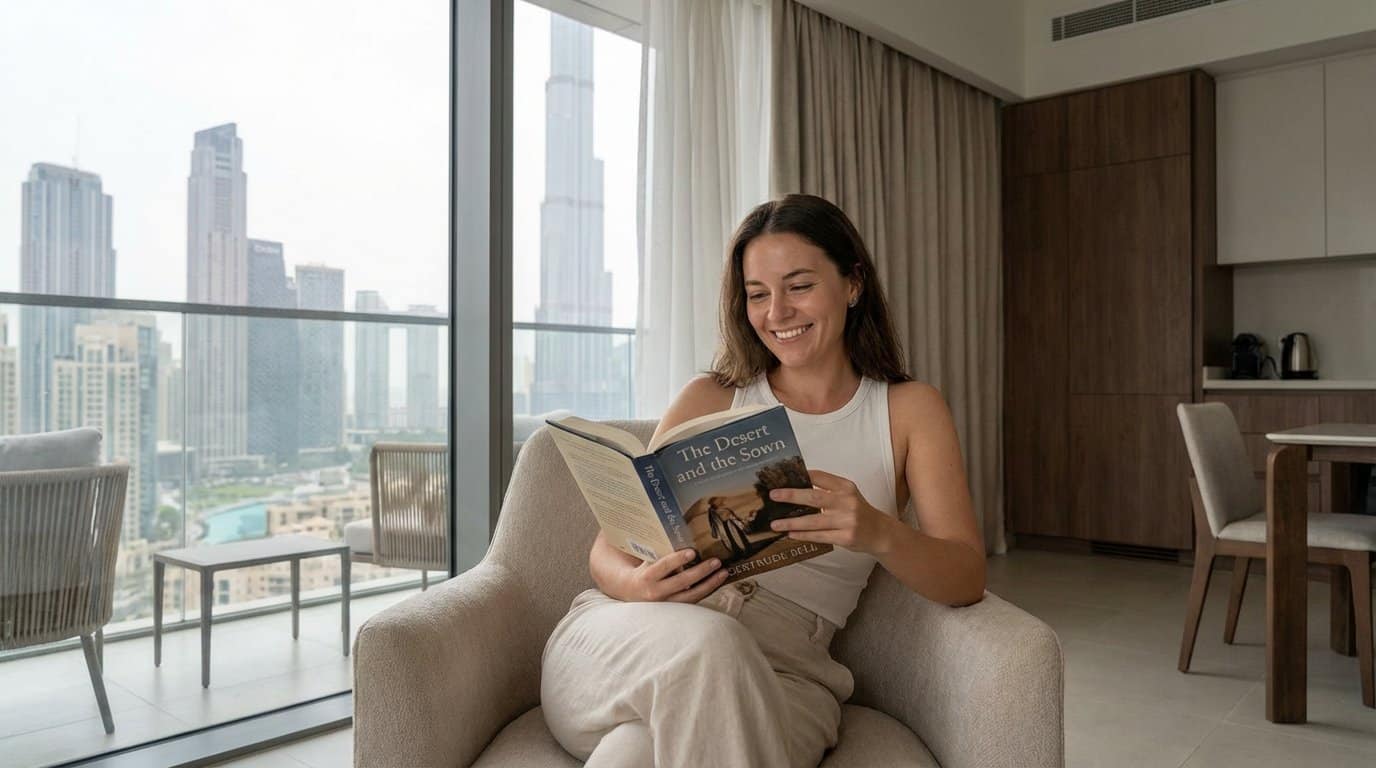
How does Dubai actually function when regional tensions escalate? The city continues to show strong public confidence, with malls packed with hundreds of thousands of visitors, retail queues at entrances, and parking facilities under continuous pressure. Roads outside commercial hubs may feel calmer at times, while metro systems continue operating without disruption.
Daily life in Dubai 2026 reflects rapid stabilization. Initial uncertainty typically resolves within 48 hours, and professionals maintain regular work schedules, fitness centers remain active, and dining establishments continue drawing typical crowds. Public order remains strong, and petty crime stays remarkably low. The city’s high levels of safety compared to other global cities contribute to a sense of normalcy that persists even during periods of regional uncertainty.
The operational reality is clear: schools stay open, hospitals function normally, and resident confidence in personal security remains aligned with pre-tension baselines. Dubai’s infrastructure doesn’t pause, it adapts and continues delivering continuity.
Why Regional Strikes Don’t Mean Danger Inside Dubai
While regional military strikes dominate headlines, Dubai’s actual threat exposure remains minimal, and that is by design. Residents are supported by THAAD, Patriot, and IRIS-T missile defense systems operating around the clock, engineered to neutralize aerial threats before they reach populated areas. Dubai sits 150+ kilometers from active conflict zones, a substantial territorial buffer reinforced by advanced early warning systems integrated with regional intelligence networks.
Here is why regional strikes do not translate into danger inside Dubai: Iran maintains significant financial interests in the UAE, creating mutual economic interdependence that functions as a powerful deterrent. Decades of diplomatic neutrality reduce targeting probability, while an unspoken geopolitical consensus protects critical financial hubs. Dubai operates within a layered defense architecture, geographic, military, economic, and diplomatic, working simultaneously. This enduring stability is precisely why major companies and investments continue to flow into Dubai, reinforcing its position as a global business hub even amid regional turbulence.
How Dubai’s Defense and Policing Systems Keep You Safe
At street level, expat life in Dubai operates within a multi-agency enforcement grid. Dubai Police deploys Drone-as-First-Responder units, achieving 85-second response times. Emergency calls automatically trigger the nearest drone, with fully automated deployment eliminating the need for on-site pilots. AI-powered surveillance, facial recognition at borders, Falcon Eye monitoring public spaces, feeds directly into unified command centers. Encrypted 5G infrastructure keeps all data on-premise. This is not a single-point system; it is an integrated, operationally proven safety network built on redundancy and speed.
The Mental Shift Every Dubai Expat Feels: and How to Process It
Everyone who relocates to Dubai experiences a psychological inflection point, usually between months three and six, when the excitement of tax-free income, modern infrastructure, and international opportunity begins to settle into a more sustainable long-term routine.
Living in Dubai during periods of regional tension can also highlight the importance of resilience, balance, and community connection:
When regional conflict escalates, Dubai’s unique environment often encourages residents to become more intentional about well-being, community, and long-term stability.
- Social integration, Dubai’s diverse, international population creates ongoing opportunities to build meaningful cross-cultural relationships and expand personal and professional networks.
- Lifestyle structure, Indoor amenities, fitness spaces, wellness facilities, and year-round services make it easier to maintain routines even during hotter months.
- Professional momentum, Companies continue to view expatriate talent as valuable, giving residents access to ambitious career pathways in a highly globalized market.
Strong adjustment habits can further improve the relocation experience: scheduled physical activity, intentional relationship building across communities, and professional mental health support when needed all contribute to long-term success and stability.
Should You Still Move to Dubai? What Expats and Businesses Decided
How should a 40, 100% salary premium be evaluated alongside regional headlines? That is the question many professionals and businesses considered in 2026. For many, Dubai continues to stand out as a city where opportunity, security, and long-term growth remain closely aligned.
| Factor | Established Advantage | Current Reality |
|---|---|---|
| Career Growth | 12.4% workforce expansion, zero income tax | Continued demand for skilled talent, strong long-term business confidence |
| Mobility | Open airports, global connectivity | High adaptability, strong transport infrastructure, and clear continuity planning |
| Corporate Support | Relocation packages, family sponsorship | Enhanced planning, structured support systems, and long-term regional commitment |
Many businesses continue to maintain or expand their presence in Dubai because of the city’s infrastructure, strategic location, and stable operating environment. Expats also continue choosing Dubai for its combination of financial upside, personal safety, and quality of life. Strong planning, financial readiness, and employer support remain helpful advantages, but the broader trend continues to favor confidence in Dubai as a place to live and work.
How Residents Pulled Together When Tensions Peaked
When regional tensions peaked, Dubai’s multicultural population did not fracture, it consolidated, with residents from every nationality, religion, and background mounting a coordinated, unified response that reinforced the city’s operational stability. Neighbors organized mutual aid networks, companies deployed support infrastructure for those affected by travel disruptions, and grassroots initiatives filled gaps that formal systems could not reach in real time. That multicultural cohesion was not performative; it functioned as a critical resilience layer that kept communities intact, businesses running, and daily life moving forward under pressure.
Community Solidarity During Crisis
Although regional tensions can test any city’s social fabric, Dubai’s expatriate communities did not retreat into isolation, they mobilized. The “One Nation, One Family” campaign unified residents across nationalities, with organized gatherings drawing business leaders and community figures who publicly pledged support for UAE stability. For anyone evaluating Dubai expat safety, this coordinated response signals operational resilience.
Key solidarity actions worth noting:
- Volunteer mobilization: Pakistani expatriates offered direct volunteer services to UAE authorities, treating the country as home rather than a temporary posting.
- Information discipline: Community leaders directed residents to official sources only, actively countering misinformation that could destabilize public order.
- Legal compliance reinforcement: Leaders issued explicit warnings against sharing unverified content, reinforcing adherence to UAE laws during sensitive periods.
Multicultural Unity Strengthened
Community solidarity provided the organizational backbone, but Dubai’s multicultural population went further, actively forging a unified identity that turned demographic diversity into a strategic asset during peak tensions. The UAE’s institutional frameworks, including the Global Tolerance Alliance and interfaith dialogue initiatives, convert potential friction points into cohesion mechanisms. Government-backed counter-terrorism research centers and tolerance-focused university programs strengthen this integration structurally.
For Dubai family safety, this matters operationally: native and international populations converge in an environment where cultural traditions coexist under institutional guidance, not despite tensions but through them. Clerics from all major faiths collaborate with international officials, while top-down reform measures transform diversity from a risk factor into a coexistence-nurturing force. Dubai operates within systems designed to maintain unity and stability under pressure.
Neighbors Supporting Each Other
During peak regional tensions, Dubai’s multinational resident base did not fracture along ethnic or national lines, it consolidated. Anyone wondering whether Dubai is safe right now can look at how residents responded when uncertainty peaked:
- Community-led coordination networks, Residents mobilized through social media and neighborhood platforms to share verified information, coordinate travel assistance, and flag disruptions before they escalated.
- Cross-cultural mutual aid, South Asian, European, Arab, African, and Western residents pooled resources across community groups, assisting neighbors affected by travel cancellations and logistical disruptions.
- Private-sector mobilization, Companies and resident organizations did not wait for government directives; they deployed direct support to affected households independently.
This ground-level solidarity was not performative. It reflected established community infrastructure that activates rapidly under pressure.
Thinking About a Move to the Middle East?
At Allocation Assist, we match your expertise with the right opportunity and support your family’s transition from start to finish. We’ve helped hundreds of Western-trained doctors build meaningful careers across UAE, Saudi Arabia, and Qatar.
Frequently Asked Questions
Are Dubai Schools and Nurseries Safe for Children During Regional Military Conflicts?
Dubai’s schools and nurseries continue to operate within a highly structured and well-managed environment. The broader safety framework across the UAE supports continuity in education, while strong public infrastructure and organized city systems help maintain stability for families. As with any international relocation, following official advisories remains a sensible best practice, but the overall environment continues to reflect normal operations and strong confidence in everyday life.
Can I Still Get Travel Insurance for Relocating to Dubai Right Now?
Yes, travel insurance remains available for relocating to Dubai. Most major insurers continue offering policies covering the UAE, and many relocation-specific options include medical emergencies, personal belongings, and trip disruption. Reviewing policy details is still important, especially for long-term stays, but Dubai remains a standard and insurable destination for relocation planning.
Does Dubai Have Bomb Shelters or Emergency Evacuation Plans for Civilian Residents?
Dubai is supported by a highly developed civil defense and emergency response framework designed to maintain public safety and operational continuity. While every detail of protective infrastructure may not be publicly outlined, the city’s broader emergency preparedness systems, building standards, and coordinated response mechanisms reflect a well-managed approach to resident safety. Reviewing local building procedures and official guidance can still be a useful step as part of standard relocation planning.
Will My Employer Provide Emergency Repatriation if the Situation in Dubai Worsens?
Employer support varies by company, but many organizations operating in Dubai maintain structured relocation, HR, and contingency planning systems for international staff. Larger firms in particular often provide clear internal guidance, mobility support, and regional planning resources. Reviewing company policy in advance remains a smart step, yet Dubai’s strong corporate ecosystem and international business environment generally support a well-organized expat experience.
How Do Dubai Property Values and Rental Prices Respond During Regional Tensions?
Dubai property values have historically remained resilient, and in many cases continued rising, during regional tensions, as investors view the city as a stable destination for safe-haven assets. Prime areas often continue appreciating, supported by Golden Visa-qualifying purchases, strong international demand, and portfolio diversification trends. While short-term shifts in rental demand can happen in any market, Dubai’s long-term real estate appeal continues to reflect confidence, liquidity, and sustained investor interest.