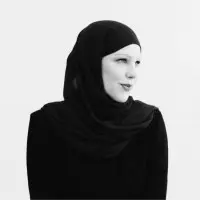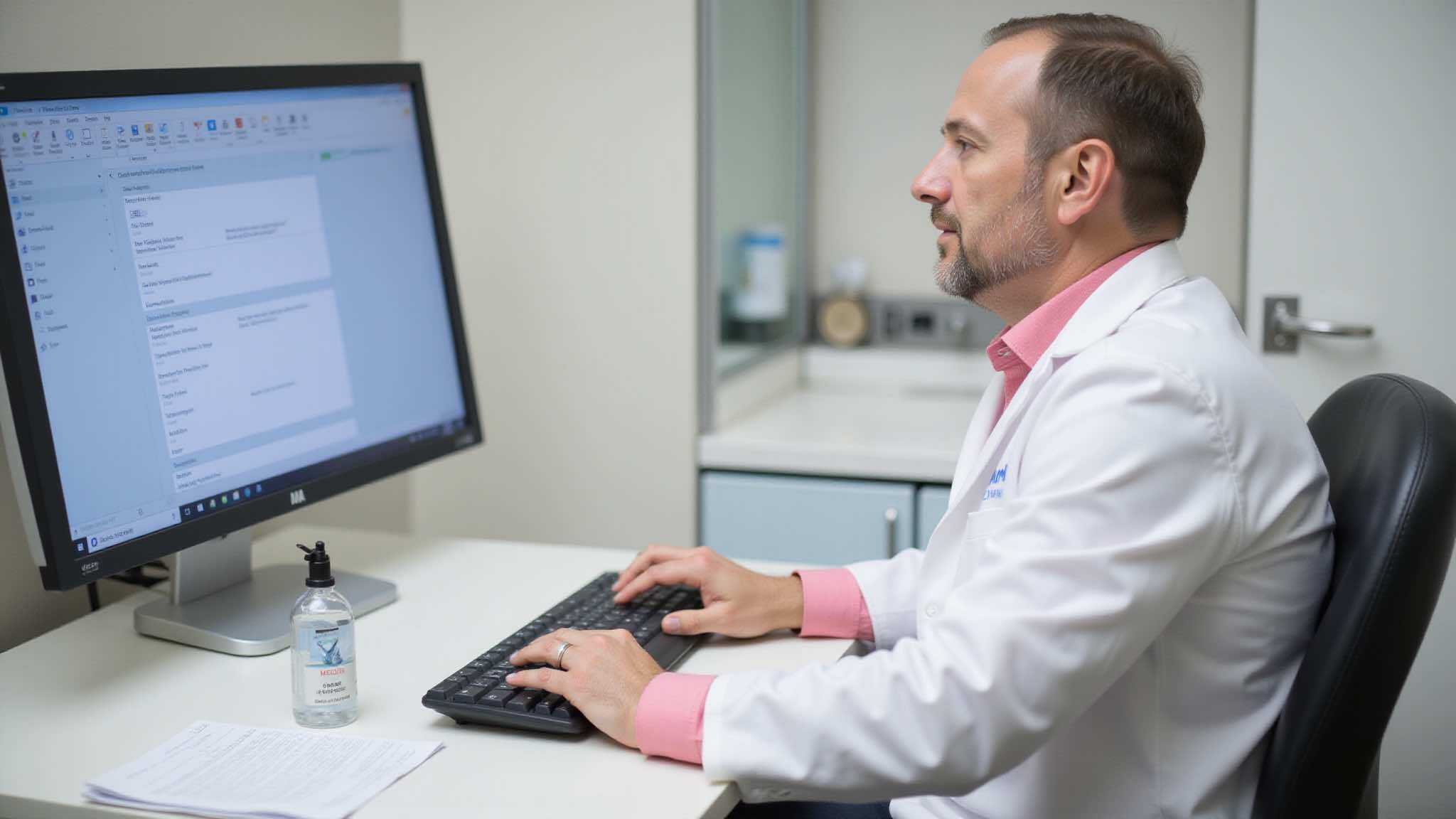
After 25 years as an NHS consultant in the Midlands, Dr. Taj Mohammed Fiyaz received an unexpected phone call while driving to a clinic in Peterborough.
It was a call from Allocation Assist, following up on a casual referral from an anaesthetist colleague. Within minutes, she was describing an opportunity in Abu Dhabi.
“Initially, I wasn’t very convinced,” Dr. Taj admits. “You’re not very comfortable moving continents when you’ve been practicing somewhere for 25 years.”
But family circumstances kept the idea alive. His parents were in India, and being geographically closer would allow him to be more present in their lives and support their health and wellbeing. What started as a one-year sabbatical has become four years of building a comprehensive thoracic surgery program spanning eight hospitals across the UAE.
The Reality Check: What He Found
When Dr. Taj arrived at Burjeel Medical City in January 2022, he started with VATS (Video-Assisted Thoracoscopic Surgery). He’d been performing these procedures in the UK for years, doing 300, 325 cases annually. Burjeel was in the process of acquiring the Da Vinci XI robotic system.
“It was a dream job in the UK, really. Great colleagues, excellent facilities in Leicester,” he reflects.
But the opportunity in Abu Dhabi was different. Burjeel was investing in the Da Vinci XI system and needed someone to build the thoracic program.
When the robotic system became available, Dr. Taj pioneered single-port robotic thoracic surgery for the region. All three robotic arms operate through a single incision, a highly specialised technique he’s brought to Burjeel’s network.
He’s now performing 175, 200 thoracic cases annually across eight facilities in Abu Dhabi, Al Ain, and Dubai.
“Here, You Are the System”
This is Dr. Taj’s most repeated observation about practicing in the UAE versus the NHS.
“In the NHS, the infrastructure is already there. It’s a well-oiled machine. You show up, you operate, the system takes care of everything else,” he explains. “Here? You are the system.”
What does that mean practically?
He develops protocols, backup systems, and training frameworks. He runs workshops teaching nursing teams about optimum post-operative care and managing thoracic patients. When he operates in Al Ain on Monday and returns to Abu Dhabi on Tuesday, he needs to know his patients are being looked after properly using the systems he created. In an interview with Dr Arunodaya Mohan, he shared insights into his methodologies and the impact of his innovations in patient care. His commitment to advancing healthcare practices is evident in his dedication to training healthcare professionals. Furthermore, he emphasizes the importance of collaboration in enhancing the quality of postoperative management.
“I keep a detailed book where I track every single patient. The population here is mobile, so you need to be meticulous. You have to be on top of your field constantly.”
The Entrepreneurial Shift
Building visibility in a new market requires a different approach.
“You have to attend conferences, present at conferences, and let the public know what you’re capable of,” Dr. Taj explains. “The public searches their clinicians on Google before they come over. They know so much about you before they arrive.”
He’s developed his own website and professional portfolio, something he never needed as an NHS consultant.
“The philosophy of entrepreneurship is you have to strive to keep progressing,” he notes. “When the Da Vinci robot became available, I was the first to develop the single-port thoracic program. You can’t just coast here. If you’re not progressing, you’ll lose your patient base. And honestly? I love that. It keeps the work exciting.”
What Western Doctors Need to Know
The case volume will drop.
“If you’re doing a lot of procedures in the UK, I was doing 310, 325 cases per year, you will have a hit when you come here,” Dr. Taj acknowledges. “Your practice will be less than 50% of what you’ve been doing elsewhere.”
The UAE healthcare system is highly competitive and well-supplied with excellent surgeons and facilities. You need to differentiate yourself.
The patient population is different. A younger, more diverse demographic means different pathology patterns, including higher rates of TB and bronchiectasis, and fewer early-stage cancer resections.
Excellence is non-negotiable.
“The patient wants nothing less than excellence,” Dr. Taj emphasizes. “You have to track and follow up with patients meticulously.”
With a highly mobile expatriate population, patients who don’t receive exceptional care will simply return to their home countries for treatment.
Infrastructure matters. For surgeons, especially, excellent infrastructure isn’t optional. Dr. Taj highlights major hospital groups, including Burjeel, SEHA, Mediclinic, NMC, and American Hospital.
“As a surgeon, you cannot compromise on infrastructure.”
The Financial Reality
Yes, there’s no income tax in the UAE. But Dr. Taj is direct about the numbers.
“The cost of living here is higher than people realise. You’re not pocketing some massive windfall and living like a king. Let’s be realistic about the numbers.”
“But the savings are better overall. You can build wealth here in ways that simply aren’t possible with high tax rates.”
In the UK, consultants pay 40, 50% tax on their income, so while Dubai isn’t a windfall, it does offer stronger long-term savings potential.
Location Matters for Your Specialty
Dubai: Ideal for physicians considering private practice. Western expatriates actively seek out specialists and book based on online presence.
Abu Dhabi: More institution-focused, family-oriented, with strong infrastructure and excellent schools.
Al Ain: A quieter, slower-paced environment, with less traffic but lower patient volume.
The Personal Side
For Dr. Taj, proximity to family was the deciding factor.
“I got to spend the last four years visiting my mum regularly before she passed away. That wouldn’t have been possible from the UK. You can’t put a price on that.”
The Licensing Reality
“If Emilie and the Allocation Assist team hadn’t handled all that paperwork, I genuinely don’t think I would have followed through,” Dr. Taj admits.
The process took around six months while working full-time in the UK, involving credential verification, licensing, and documentation.
“I wouldn’t have gone through a six-month process to relocate on my own. I don’t think I would have done that myself.”
His Advice: Is This Right for You?
“Be realistic. This isn’t for everyone,” Dr. Taj says. “If you love the structure of the NHS, if you thrive in a highly systematised environment, then maybe stay where you are.”
The requirements are clear:
- Be comfortable being “the system.”
- Accept an initial drop in case volume
- Embrace entrepreneurial thinking and visibility
- Track every patient meticulously
- Get structured support during the transition
“But if you’re feeling stagnated, if you want to build something, if you’re entrepreneurial at heart, this region offers opportunities that simply don’t exist in the West anymore.”
Four Years Later
Dr. Taj has built a comprehensive VATS and robotic thoracic surgery program across eight hospitals, with standardized protocols and systems across locations.
“You need to have your own skills to develop and progress,” he reflects. “This place gives you the space to do that.”
When asked if he’d do it again, he doesn’t hesitate.
About Dr. Taj Mohammed Fiyaz
Dr. Taj is a Consultant Thoracic Surgeon at Burjeel Medical City, Abu Dhabi. With 25 years of NHS experience, he pioneered the single-port robotic thoracic surgery program across Burjeel’s network. He performs 175, 200 thoracic cases annually, including complex lobectomies and minimally invasive procedures.
Want to Work in Dubai’s Top Hospitals?
Knowing the hospitals and the wider healthcare landscape in the UAE helps you choose the right place to build your career. At Allocation Assist, we help doctors at every point of the process, from reading up in The UAE Healthcare System to practical support with our DHA license consultancy. If you would like to talk it through, you can book a free consultation.
Frequently Asked Questions
What Should NHS Consultants Expect When Moving to the UAE?
NHS consultants can expect a more dynamic and opportunity-driven environment. Instead of working within fixed systems, doctors in the UAE have the ability to shape clinical pathways, build services, and take greater ownership of patient care, which can be highly rewarding for experienced consultants.
Do Surgeons Experience a Drop in Case Volume When Relocating to Dubai or Abu Dhabi?
Some surgeons may see a short-term adjustment period in case volume, but this is often offset by the opportunity to build a high-quality, specialized practice. As reputation and referrals grow, many consultants establish strong and sustainable patient flows.
How Long Does DHA or DOH Licensing Take for UK Consultants?
Licensing through DHA (Dubai) or DOH (Abu Dhabi) is a structured and well-established process, typically completed within a few months. With the right guidance, many consultants complete licensing efficiently while continuing their roles in the UK.
Does the UAE Offer Better Career Growth for Senior Consultants?
Yes, the UAE offers strong career growth potential, particularly for senior consultants looking to lead programs, introduce advanced techniques, and work with cutting-edge technology. The healthcare system is expanding rapidly, creating opportunities that are often limited in more saturated systems.
What Makes Dubai and Abu Dhabi Attractive for Medical Specialists?
Dubai and Abu Dhabi offer a combination of modern infrastructure, international patient populations, tax-free income, and high-quality hospital systems. For specialists, this creates an environment where they can advance their careers, increase their earning potential, and maintain a high standard of clinical practice. How Dr Assem Shayah relocated to Dubai from UK reflects the growing trend of medical professionals seeking opportunities in the region. Many doctors are attracted to the robust healthcare framework and diverse patient demographics, which allow for professional growth and global exposure. This movement not only enhances their career prospects but also contributes to the medical landscape of Dubai, enriching the quality of care available to patients.