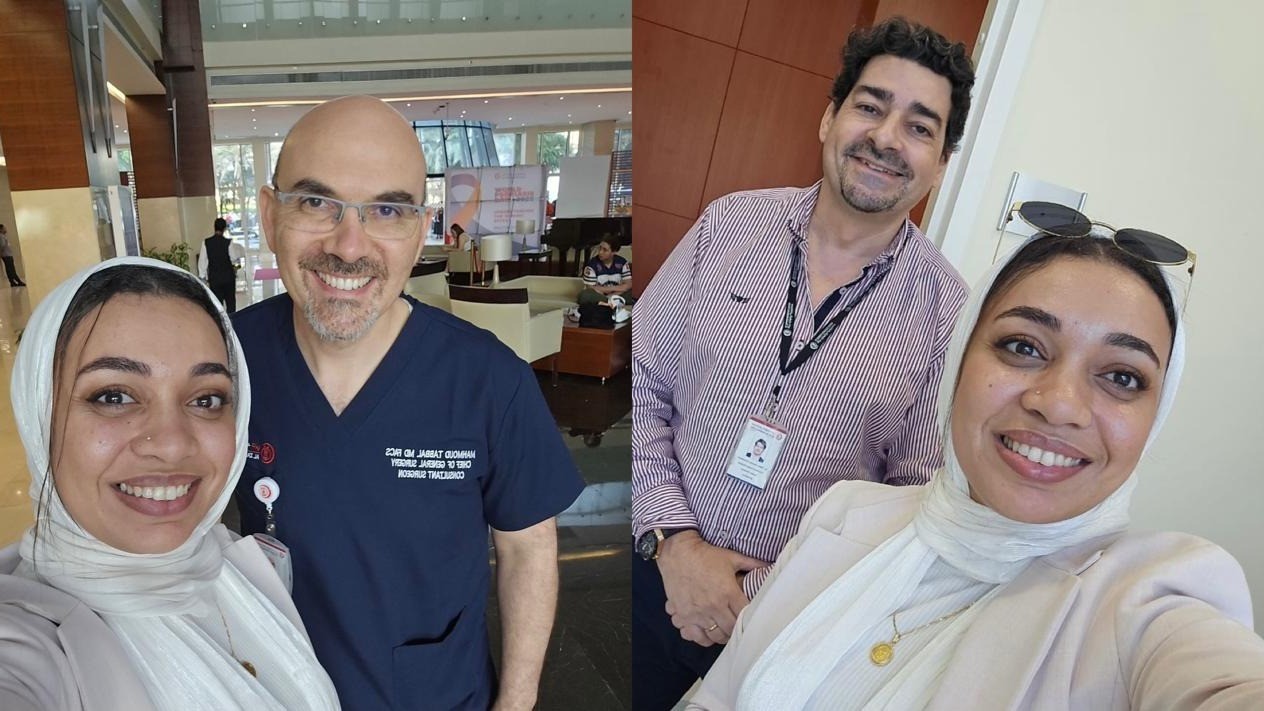
Doctors who make a quiet impact don’t chase visibility, they earn recognition through consistent, values-driven work that speaks for itself. True credibility builds when professionals focus on genuine care, collaborative problem-solving, and trust-building rather than self-promotion. By embracing humble leadership and letting their contributions demonstrate their value, doctors find that acknowledgment naturally follows. Understanding the specific strategies that bridge visibility gaps can transform how colleagues perceive and appreciate one’s daily contributions.
Why Recognition Becomes a Major Concern When Starting a New Role

When doctors step into a new role at an unfamiliar hospital, they often find themselves thinking about recognition more than they’d expected. It’s not about seeking applause, it’s about garnering initial trust and establishing credibility in an environment where no one knows their track record yet.
The desire to be valued runs deep. Many worry about fitting in smoothly or feeling invisible among seasoned colleagues. But here’s the reframe: true recognition builds through consistent impact, not self-promotion. By embracing humble leadership and maintaining self confidence, doctors can let their daily work speak volumes. Recognition follows those who serve with genuine care.
Why Recognition Can Feel Difficult in Hospital Environments
Hospital environments move at a relentless pace, and even the most skilled doctors can feel their contributions get lost in the daily rush. Unfamiliar hospital norms and shifting workplace dynamics create visibility barriers that obscure strong performance.
| Challenge | Impact | Solution |
|---|---|---|
| New workflows | Slower adaptation | Learn system patterns quickly |
| Cultural differences | Miscommunication | Observe and ask questions |
| Team-based care | Individual work overlooked | Emphasize team contribution focus |
Doctors shouldn’t mistake invisibility for inadequacy. Effective self advocacy strategies help bridge this gap, turning quiet competence into recognized value.
The Real Value of Recognition in a Doctor’s Career

Although many doctors associate recognition with awards or promotions, its true value runs much deeper. Recognition means knowing daily work makes a difference. It shows when patients notice genuine care, listening, and follow-up. It appears when colleagues value reliability and thoughtfulness, and when leaders notice those who quietly elevate the team.
This acknowledgment fuels increased motivation and personal fulfillment. Positive feedback from trusted sources strengthens confidence and credibility. Over time, these moments build meaningful relationships that support career advancement. Recognition isn’t about seeking attention, it’s about consistent, values-driven work that others naturally see and appreciate.
Professional and Cultural Factors That Shape Recognition
Because hospital cultures and systems vary widely, recognition doesn’t follow a single formula. Subtle cultural dynamics influence how colleagues perceive competence, while workplace norms disparity means what works in one facility may fall flat in another.
In Gulf hospitals, care that feels genuine gets noticed and remembered. Patients requesting doctors by name speaks volumes. Appreciation spreads naturally through close-knit hospital communities, often expressed subtly rather than publicly.
Rather than status quo upholding, doctors can focus on personal connection building and positive cross disciplinary perceptions. Being truly seen comes from consistency and trust, not visibility alone.
How Doctors Commonly Struggle to Be Seen

Even when doctors understand the cultural and professional factors that shape recognition, putting that knowledge into practice brings its own set of hurdles. Many experienced physicians report feeling unheard when adapting to unfamiliar hospital systems. Communication breakdown often occurs while traversing different expectations and cultural dynamics.
Establishing credibility takes time, especially when colleagues don’t know a doctor’s track record. Some hesitate to highlight their contributions, fearing they’ll appear self-promotional. Others struggle with influencing change in environments where they’re still newcomers.
These challenges aren’t failures, they’re normal. Recognizing them marks the first step toward overcoming them.
Making Your Impact Clear Without Self-Promotion
When doctors shift their focus from being noticed to being understood, recognition follows naturally. Strategic self-reflection helps identify contributions worth sharing, tracking meaningful cases, quality improvements, and teaching moments builds a clear record of value.
Workplace reputation cultivation doesn’t require boasting. It requires consistency. Doctors can showcase quiet professionalism through reliable follow-through and collaborative problem-solving. Communication style improvement guarantees updates reach leadership without sounding self-serving, framing wins around patient outcomes and team success resonates more authentically.
Visibility boosting initiatives like committee involvement or mentoring create organic opportunities for recognition. The goal isn’t louder presence; it’s clearer impact that speaks for itself.
What to Look for in Early Recognition Opportunities
Recognition often starts before anyone’s watching closely. Doctors who seek immediate feedback opportunities during their first weeks signal confidence and commitment. Self assessment check ins help identify strengths worth highlighting and gaps worth addressing.
Early feedback-seeking signals confidence, self-assessment reveals what to showcase and what to strengthen.
Patient trust building happens through small, consistent actions, remembering names, explaining procedures clearly, following up genuinely. These moments create lasting impressions that colleagues notice.
Recognition during onboarding comes from volunteering for challenging cases or offering solutions during team discussions. Proactive networking strategies, like brief conversations with senior staff, establish credibility early.
Small actions shape long-term perception. Visibility grows from reliability, not volume.
Everyday Actions That Build Lasting Recognition
Three simple habits separate doctors who fade into the background from those who leave lasting impressions: genuine patient connection, consistent follow-through, and unwavering reliability. Building relational trust starts with small moments, remembering a patient’s concerns or checking in after a difficult procedure. Demonstrating empathetic care shows colleagues and patients alike that medicine remains personal. Sustaining work consistency reinforces dependability, while promoting team cohesion strengthens professional bonds. Embracing self advocacy doesn’t mean boasting; it means letting quality work speak clearly. People remember how doctors make them feel. These everyday actions create recognition that no title can match.
Trusted Ways Recognition Grows Over Time
Building recognition through daily actions creates a strong foundation, but lasting professional credibility develops through intentional growth over months and years. Doctors strengthen their reputation through quiet self reflection, regularly evaluating their clinical contributions and areas for improvement. Humble self awareness helps them identify meaningful opportunities to mentor colleagues or volunteer for hospital initiatives that align with their expertise. Measured self advocacy allows them to share achievements appropriately during reviews or conversations. Patient-focused storytelling demonstrates impact through real outcomes rather than self-promotion. Peer based endorsement naturally follows when colleagues witness consistent excellence and genuine dedication to care.
Community and Professional Support Matters
| Support Element | Impact |
|---|---|
| Growth through collaboration | Expands clinical knowledge |
| Visibility through consistency | Builds lasting reputation |
| Inclusion within community | Creates belonging |
| Acceptance of personal needs | Reduces burnout risk |
| Confidence through affirmation | Strengthens decision-making |
Doctors don’t have to navigate visibility and growth alone. Strong professional networks help them settle in effectively and thrive long-term.
Everyday Work Done Well Leads to Recognition
When a doctor arrives early, listens carefully, and follows through on every patient concern, colleagues and supervisors take notice, even if no one says it aloud. These small steps build credibility over time.
Consistent effort creates a professional reputation that speaks louder than any announcement. Doctors who demonstrate integrity in every interaction and show up with intention earn trust naturally.
Self assurance grows from knowing the work matters. Patience rewarded comes when tangible results emerge, better patient outcomes, stronger team relationships, and organic opportunities. Recognition doesn’t require self-promotion; it requires sustained excellence in daily practice.
Allocation Assist’s Perspective
Doctors who understand the power of consistent, quiet excellence often need a partner who sees their value from the start. Allocation Assist provides cultural familiarity support and role shift facilitation, helping physicians adapt quickly to Gulf hospital environments. The team strengthens digital presence enhancement so credentials speak clearly before introductions happen. They prioritize autonomy maintenance, ensuring doctors retain professional independence while building mentor-mentee relationships that accelerate recognition. Rather than pushing self-promotion, Allocation Assist focuses on positioning doctors where their daily work naturally gains visibility. This approach builds credibility that lasts well beyond the first impression.
Frequently Asked Questions
How Long Does It Typically Take for New Doctors to Feel Recognized?
New doctors typically earn recognition within six to twelve months when they demonstrate strong patient advocacy, bedside manner improvements, and efficient documentation. They’ll accelerate this timeline through interdisciplinary collaboration and medical research involvement, building credibility naturally.
Should I Mention My Achievements During Performance Reviews or Stay Silent?
Doctors should absolutely mention achievements. A physician who helped reduce patient wait times can identify achievements, communicate effectively with supervisors, and demonstrate impact. They’ll build confidence when they request feedback and showcase their contributions professionally.
What if My Supervisor Never Acknowledges My Contributions Despite Consistent Effort?
Doctors can address this by using self-advocacy strategies like requesting consistent feedback sessions, traversing communication challenges directly, and strengthening peer collaboration. When management recognition stalls, colleagues often become powerful advocates who amplify one’s contributions effectively.
How Do I Handle Colleagues Who Take Credit for My Work?
Ironically, staying silent won’t solve silence. Doctors can employ quiet self-promotion through credit attribution strategies, documenting contributions professionally. Recognition seeking techniques and workplace politics navigation require impression management methods, sending summary emails, speaking up in meetings, and building advocate relationships.
Is Networking Considered Self-Promotion in Conservative Hospital Cultures?
Networking isn’t self-promotion when done thoughtfully. Doctors can use networking strategies and self advocacy methods that emphasize colleague collaboration over personal branding techniques. Understanding work culture dynamics helps them build authentic connections that showcase their value naturally.