Dubai’s healthcare sector will need you to fill over 30,000 specialized roles by 2025. You’ll find critical demand for specialist physicians in cardiology and oncology, advanced nursing positions paying AED 12,000-18,000, and allied health professionals managing 9.5 million electronic records. With AI solutions achieving 92% diagnostic accuracy and a 65% telehealth adoption rate, you’ll also see opportunities in technology and strategic leadership. These transformative roles shape Dubai’s emergence as a global healthcare hub, from frontline specialists to the senior physicians who lead them, so it’s worth understanding what consultant doctors do.
The Rising Need for Specialist Physicians in Smart Hospitals
Why are specialist physicians becoming increasingly indispensable to Dubai’s smart hospitals? The integration of AI-driven diagnostics, telemedicine, and IoT technology has created complex healthcare environments that demand specialized oversight, which is part of what makes a top healthcare professional in Dubai today. You’ll find this reflected in Dubai’s healthcare vision, which emphasizes integrated physician practice models for extensive care delivery. The implementation of 360-degree care ensures comprehensive medical expertise across all facilities.
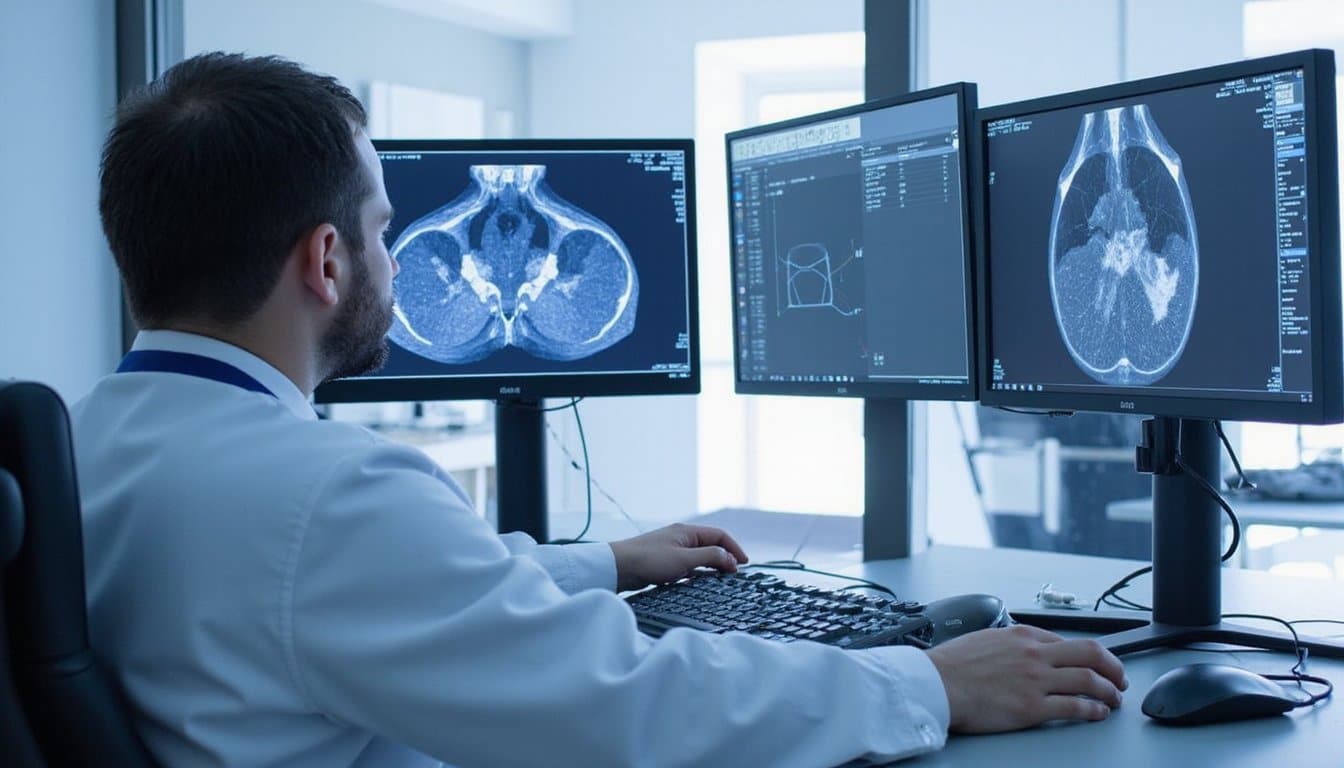
With UAE’s healthcare spending projected to grow at 8.5% annually, smart hospital workforce planning must address telehealth implementation challenges through specialist expertise. The Golden Visa program has become instrumental in attracting and retaining top medical specialists from around the world. The city’s medical tourism growth and high international accreditation rates (over 85%) further drive this demand. With a commitment of AED118 billion allocated to expand healthcare facilities by 2027, the demand for specialist physicians is expected to surge dramatically. You’re seeing this especially in cardiology, oncology, and orthopedics, where AI-powered imaging and diagnostics require specialist validation. Smart hospitals’ focus on personalized care planning and advanced treatment modalities makes specialist physicians vital for maintaining quality standards and optimizing patient outcomes.
Advanced Nursing Roles Shaping Modern Healthcare
The transformation of nursing roles in Dubai’s healthcare sector reflects a strategic shift in the direction of advanced practice and specialized expertise. You’ll find Nurse Practitioners, Clinical Nurse Specialists, and Nurse Anesthetists delivering patient-centric care models across major hospitals, with salaries for Unit Managers ranging from AED 12,000-18,000. Leading healthcare facilities like Cleveland Clinic Abu Dhabi demonstrate excellence in cardiology, neurology, and critical care nursing. The sector offers tax-free earnings along with comprehensive benefits packages to attract top talent. Professional nurses in the ICU setting provide specialized medical attention to the most critically ill patients.
Today’s advanced nursing positions require extensive specialized nursing education programs, combining clinical expertise with technology proficiency. Nurses must maintain DHA, DoH, or MOHAP licensing while mastering telemedicine platforms and digital monitoring systems. They’re increasingly taking on leadership roles in quality improvement and digital transformation initiatives. Chief Nursing Officers now drive policy changes, while specialized practitioners in aesthetics and ICU settings perform tasks traditionally reserved for physicians, marking a significant evolution in healthcare delivery.
Critical Allied Health Professionals in Digital Transformation
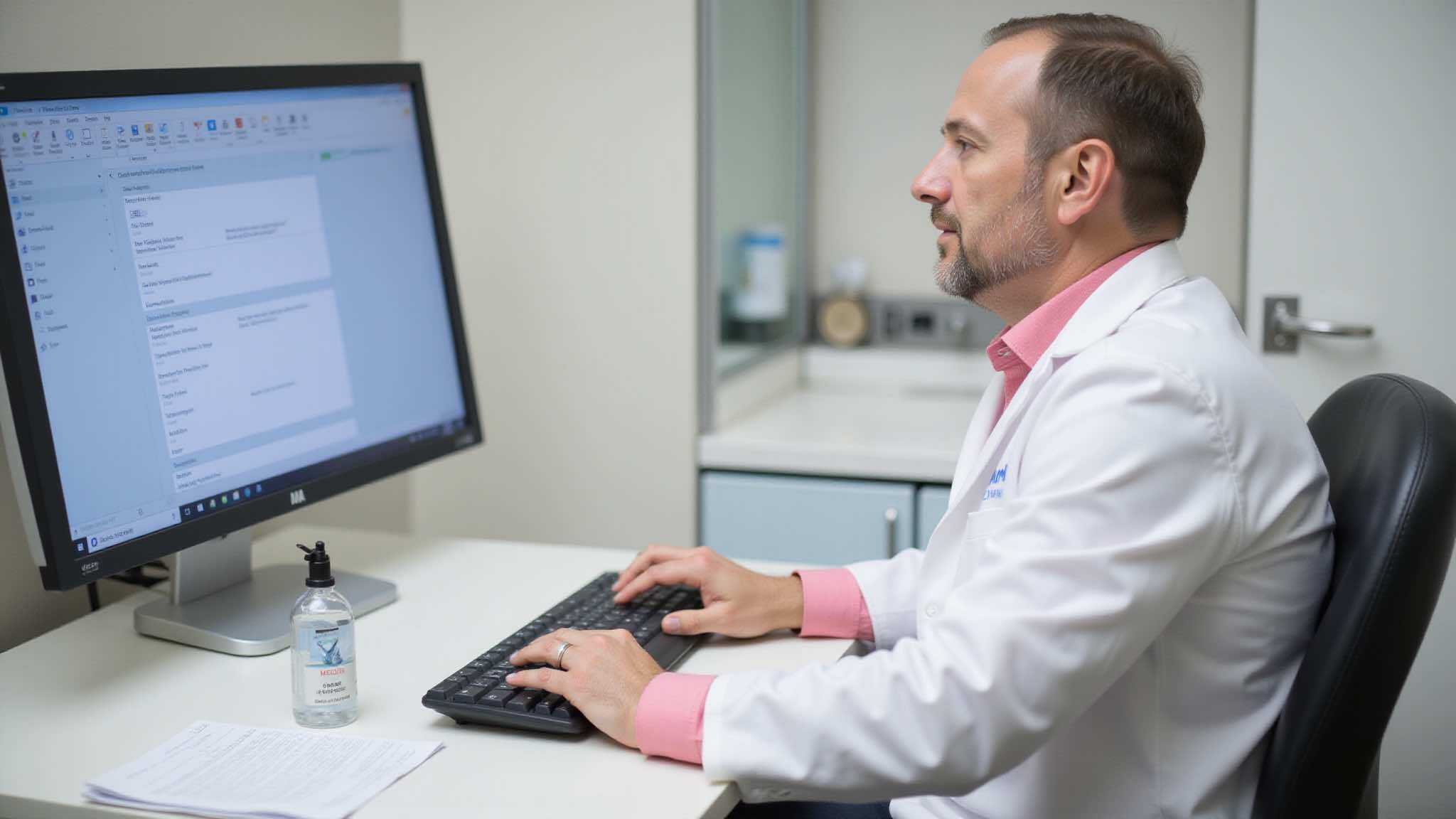
Building on Dubai’s advanced nursing transformation, allied health professionals now stand at the forefront of healthcare’s digital revolution. You’ll find Health Information Management Specialists managing over 9.5 million electronic records across NABIDH’s Clinical Portal, while Radiographers harness AI-powered diagnostic tools for enhanced imaging analysis. Clinical Laboratory Scientists drive cloud computing expertise through automated lab systems, ensuring real-time data sharing across facilities.
Medical Coders and Data Analysts enable sophisticated population health analytics, supporting AI initiatives through precise data classification. Meanwhile, Telemedicine Coordinators focus on telehealth service optimization, managing IoT-enabled monitoring systems to expand care access. The integration of these technologies has shown remarkable success in enhancing chronic care across UAE healthcare facilities. These professionals’ collective digital capabilities are transforming Dubai’s healthcare scenery, integrating cutting-edge technology with clinical excellence to deliver superior patient outcomes across the emirate’s 1,500+ healthcare facilities.
Technology and Data Experts Leading Healthcare Innovation
At the helm of Dubai’s healthcare revolution, technology and data experts drive unprecedented innovation through AI-powered solutions and advanced analytics. You’ll find AI healthcare collaborations achieving 92% diagnostic accuracy while reducing treatment wait times by 50%. Bioinformatics specialists now process complex genetic and biometric data, enabling precision medicine and customized treatment pathways. AI systems deliver 24/7 medical assistance to patients facing mobility challenges, ensuring continuous care support.
Dubai’s digital transformation demands professionals skilled in AI, data science, and health informatics. With 95% digital literacy among healthcare providers and an expanding telehealth adoption rate of 65%, you’re witnessing a surge in tech-specialized roles. These innovations have led to 15% faster consultations through the implementation of AI and telehealth platforms. The UAE’s regulatory framework, including Federal Law No. 2 of 2019, guarantees these innovations comply with strict data governance standards. This strategic focus positions Dubai to reach its projected AI healthcare market value of US$138 million by 2030. The region’s healthcare organizations have made significant strides, with 54% prioritizing AI and analytics initiatives in 2024, marking a substantial increase from previous years.
Strategic Leadership Positions Driving Healthcare Excellence
Strategic leadership across Dubai’s healthcare sector mobilizes over 35,000 professionals through transformative initiatives and evidence-based policies. You’ll find executive leaders driving strategic vision through integrated frameworks that augment Dubai’s international branding in healthcare excellence. Under Awadh Seghayer Al Ketbi’s leadership, smart health apps have revolutionized patient access to healthcare services. Healthcare executives focus on revenue optimization through strategic pricing and insurance negotiations to ensure sustainable growth.
Key leadership positions shaping Dubai’s healthcare future:
- CEOs and Directors General implementing smart health solutions and expanding medical tourism capabilities
- Ministers crafting policy reforms and digitalization strategies aligned with GCC healthcare priorities
- Strategy executives leading organizational transformation and market positioning initiatives
- Clinical operations leaders deploying quality standards and performance monitoring systems
- Customer experience chiefs developing patient engagement platforms and communication frameworks
These positions are critical in advancing Dubai’s healthcare ecosystem through data-driven decision making, technological innovation, and service excellence standards that meet international benchmarks.
Ready to Take Your Career to Dubai?
Building a medical career in the UAE raises a lot of questions, and it helps to have someone who knows the answers. At Allocation Assist, we help doctors at every point of the process, from reading up in Working as a Doctor in the UAE: A Guide to practical support with our DHA license consultancy. If you would like to talk it through, you can book a free consultation.
Frequently Asked Questions
What Are the Average Salary Ranges for Healthcare Professionals in Dubai?
You’ll find that average salary ranges in Dubai’s healthcare sector vary extensively by role. As a doctor, you can expect AED 25,000-90,000 monthly, while nurses typically earn AED 7,000-20,000. Allied health professionals like physiotherapists and pharmacists range from AED 8,000-31,000 monthly. These tax-free earnings are often supplemented with extensive healthcare benefits packages including housing allowances, insurance, and paid leave, making total compensation more appealing.
How Long Does the Medical Licensing Process Typically Take in Dubai?
You’ll typically need 3-6 months to complete your medical licensing process in Dubai, though timelines can vary based on your credentials and country of origin. Your license processing time includes 30-45 days for Dataflow verification, 5-10 days for DHA Prometric exam results, and 2-4 weeks for license activation once you have a job offer. Application requirements from Tier 1 countries may process faster (6-8 weeks), while complex cases could extend to 9-12 months.
Are There Part-Time or Flexible Working Options for Healthcare Professionals?
Yes, you’ll find extensive part-time work schedules and remote work opportunities in Dubai’s healthcare sector. You can legally work across multiple facilities with the required MOHRE registration and DHA license. Typical arrangements include 3-day weeks for nurses, 18-24 hour weekly schedules for specialists, and flexible telehealth positions. You’re entitled to proportional benefits, and you can choose from 700+ part-time positions in Dubai Healthcare City alone.
Which Hospitals Offer Specialized Training Programs for New Healthcare Graduates?
You’ll find specialized training programs for nurses and internship opportunities for medical students at several key Dubai hospitals. The DHA-affiliated hospitals offer an all-encompassing one-year medical internship program with multi-specialty rotations. Fakeeh Health Academy provides structured residency programs and clinical fellowships. You can also access training through Medafia’s certification programs and the Manaar Medical Training Platform, which offers accredited virtual courses at no cost to eligible candidates.
Do Healthcare Professionals Need Arabic Language Proficiency to Work in Dubai?
You don’t need Arabic language proficiency to work as a healthcare professional in Dubai, as English is the primary language in most clinical settings. While Arabic language proficiency requirements aren’t mandatory for licensing, some employers may prefer it for specific patient-facing roles. You’ll find that cultural competency training for healthcare professionals often includes basic Arabic phrases, but hospitals typically provide interpreters and translated materials when needed. English remains the standard for medical documentation and professional communication.