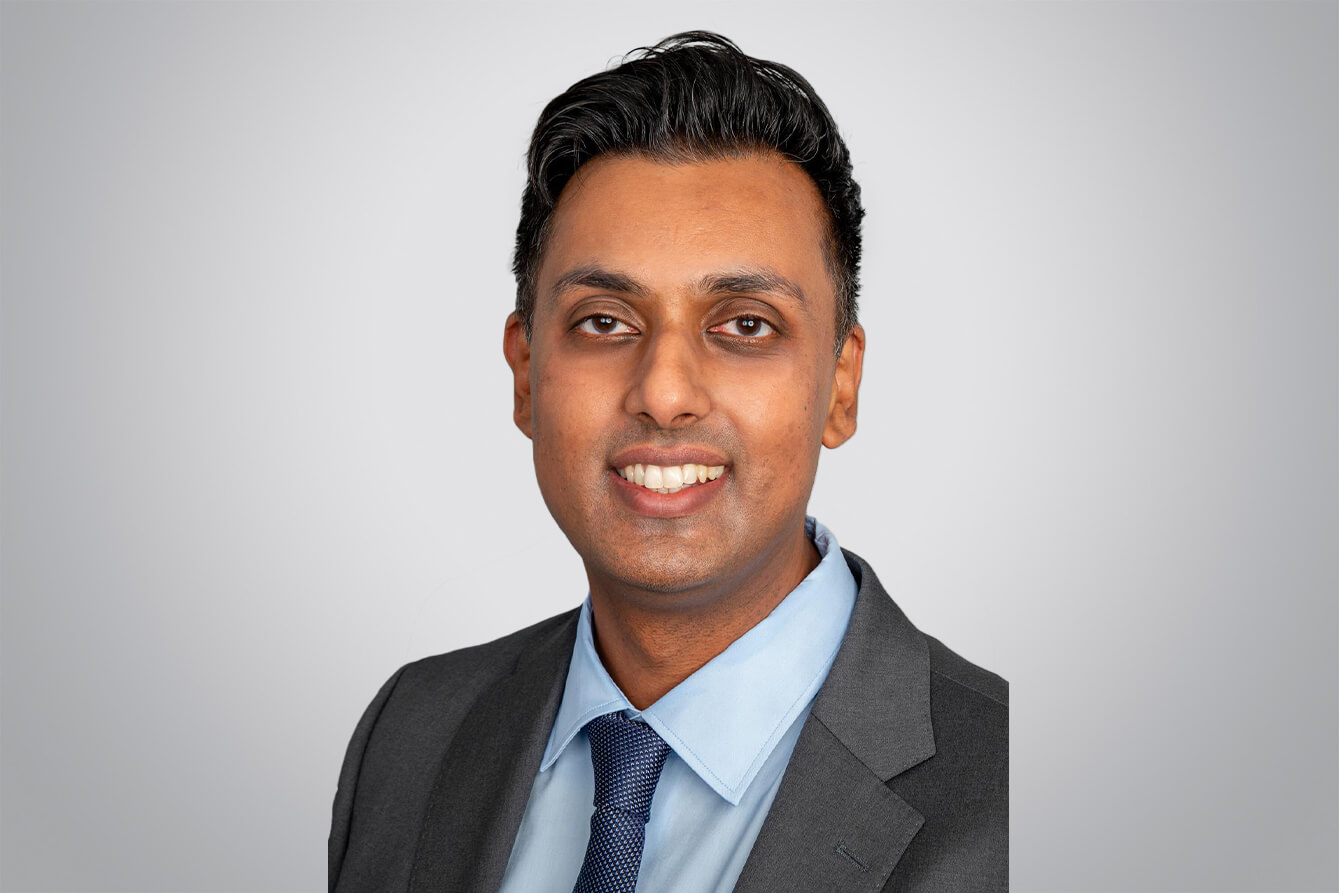
Dr. Imran Jawaid’s migration from an NHS consultant role to a Dubai-based clinical and academic position has proven genuinely transformative. After 18 months, he’s expanded his influence through international speaking engagements, established a world-class myopia pathway, and secured an Adjunct Clinical Associate Professor appointment at MBRU. He’s seeing more patients than before while eliminating administrative burden, and his family’s thriving. His journey reveals how academic medicine and clinical excellence can coexist when the right structures support both.
Read our first interview with him from 2024
In His Own Words
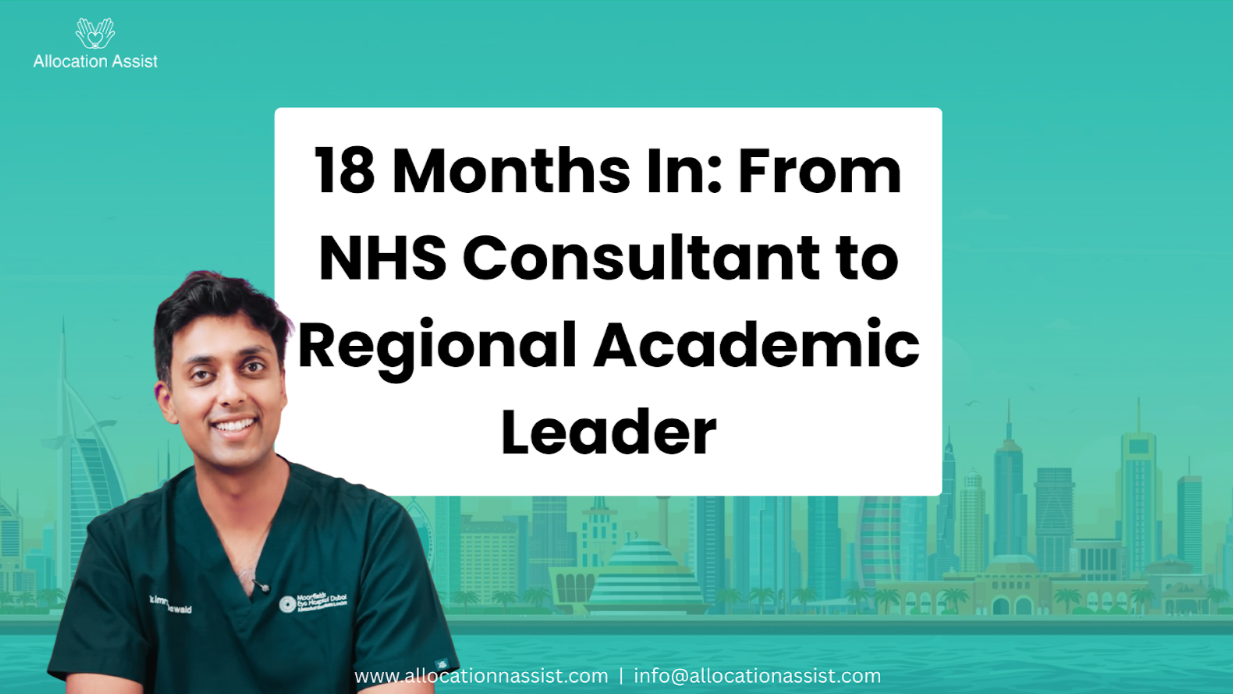
When Dr. Imran Jawaid joined Moorfields Eye Hospital Dubai, he described the serendipitous career move as transformative.
Here’s what he shared:
“This time last year, I started Moorfields Eye Hospital Dubai. To be honest, the move was serendipitous… I loved the clinical job. But everything around it made it such hard work.”
And now?
“I can just focus on seeing patients and the structures around the clinic are so amazingly efficient and supportive it makes my job feel great! I’m not stressed. I’m loving my job and my family are happy.”
“I can grow and develop the service in a highly supportive environment and help children with eye disease. That’s what I was trained to do and that’s what I love. What else could you want?”
Sound familiar? Keep reading.
Fast Forward 18 Months
Eighteen months after arriving in Dubai, Dr. Imran Jawaid has transformed his role into a multifaceted academic leadership position. His appointment as Adjunct Clinical Associate Professor at MBRU reflects his growing involvement in teaching and academic collaboration.
He’s building something lasting.
What Actually Changed
Behind the academic titles and conference invitations lies a more fundamental shift in daily practice.
“Weirdly, I see more patients here than I did in the UK. There are no admin/SPA sessions and I work 2/4 Sundays. However, I can just focus on seeing patients.”
This paradox reveals effective workload reduction strategies at work. Administrative burden mitigation eliminates systemic pressures that plagued NHS practice. Without protected learning time carved from clinical hours, patient focused care approaches become the primary focus. The result? An enriched work life balance emerges not from doing less, but from doing meaningful work without bureaucratic interference.
The Service Development
Although his shift brought unexpected freedoms, the real measure of success lies in clinical impact. Within his first year, he established a world-class myopia pathway, implemented ROP screening for vulnerable newborns, and expanded strabismus management. His service development focused on strengthening paediatric ophthalmology pathways and improving diagnostic and treatment capabilities.
This pathway development reflects genuine multidisciplinary care, positioning the department for stronger long-term outcomes. Patient impact drives every decision.
“I can grow and develop the service in a highly supportive environment and help children with eye disease. That’s what I was trained to do and that’s what I love. What else could you want?”
Academic Medicine + Clinical Excellence: Both Possible
For many consultants, academic medicine represents a sacrifice, publish or perish, often at the expense of clinical time. Dubai challenges this assumption. As Adjunct Clinical Associate Professor at MBRU, he teaches medical students rotating from multiple universities while maintaining full clinical responsibilities. He publishes clinical research without compromising patient care. This academic clinical integration demonstrates that career progression doesn’t require choosing between teaching and treating. International collaborations emerge naturally in this multicultural environment. The work life balance actually improves when academic pursuits complement rather than compete with clinical excellence, a model the NHS rarely achieves.
Conference Leadership & Regional Influence
Academic influence extends beyond publications and teaching, it shapes how an entire region practices medicine.
Through strategic event coordination and impactful collaborations, he has helped organize major regional ophthalmology conferences that bring together leading practitioners. His promotion of the 8th International Moorfields Ophthalmology Conference exemplifies these transformative initiatives in action.
Key contributions to regional advancement:
- Securing global speaker engagements that expose local practitioners to cutting-edge techniques
- Establishing regional standards through leadership roles in conference planning
- Building networks that connect Gulf ophthalmologists with international experts
This conference leadership demonstrates commitment to elevating practice standards across the entire region.
The Life Part
His reflection includes this:
“My family is happy.”
His wife practices as a GP in Dubai. Their son attends a British curriculum international school. The work is demanding, but as he says, “I’m not stressed.”
His Advice to You
From his reflection post:
“My advice to anyone reading the first half of this post and thinking this sounds familiar is to stop and reflect. Change is scary. But you grow at the edge of your comfort zone.”
“We dedicate our whole lives to caring for patients. It’s who we are as doctors. But don’t forget to care for yourself. No one will do that for you.”
“Equally, don’t live your careers in the mirror image of your colleagues. There is no longer one route. Don’t be scared of doing things differently.”
What This Demonstrates
His journey from NHS consultant to regional academic leader isn’t merely a personal success story, it’s a manifestation of what the Gulf medical environment now offers physicians seeking both clinical excellence and scholarly advancement. The region has continued to invest in academic medicine and clinical infrastructure, creating opportunities for consultants who wish to combine both.
Ophthalmology has become a growing area of focus within the region’s expanding healthcare landscape. Tax-free compensation attracts attention, but the substantive draw lies elsewhere: autonomy, research infrastructure, and teaching platforms that rival Western institutions.
World-class facilities continue expanding, creating unprecedented pathways for consultants ready to lead.
Inspired by This Story?
Every consultant reaches a moment when the question shifts from “Can I succeed here?” to “Where could I thrive?” Career shifts demand fresh perspectives and honest assessment of what matters most.
Consider what drives your next chapter:
- Leadership opportunities that match your clinical expertise and vision
- Work-life balance that sustains long-term professional fulfillment
- Regional influence that extends your impact beyond a single institution
For consultants considering international career opportunities, working with specialists such as Allocation Assist can help clarify how different healthcare systems support clinical and academic growth, and what environments may best align with long-term professional goals.
Frequently Asked Questions
What Was the Exact Salary Difference Between NHS and Academic Positions?
He does not disclose exact salary figures. However, he acknowledges that remuneration was a consideration when moving from the NHS to a clinical role in Dubai that also included academic responsibilities.
How Many Job Applications Were Rejected Before This Successful Transition?
He has not publicly shared details about the number of applications submitted or rejected. His transition was supported by professional networking, awareness of international opportunities, and openness to roles outside the NHS.
Did Family Relocation Create Any Significant Challenges During the Career Change?
He has acknowledged that relocating as a family requires planning and adjustment. However, his reflections focus on positive outcomes, including improved work-life balance and family well-being after the move.
What Specific Qualifications or Certifications Were Required for the Academic Role?
His academic appointment was based on his clinical expertise, experience in service development, and involvement in teaching and research. No additional certifications beyond his existing consultant-level training were publicly cited.
How Long Did the Entire Interview and Hiring Process Take?
He has not shared a detailed timeline for the hiring process. Like many international consultant appointments, the transition involved multiple stages and careful consideration before relocation.