
Most children need a solid six to eight weeks before they genuinely start to feel at home in their new Dubai school. During this settling period, teachers actively monitor your child’s emotional, social, and academic adjustment, and placement decisions stay flexible. It’s completely normal for younger children or boys to need a little extra time. By understanding how long children take to settle into life in Dubai, recognizing the signs of progress, building strong daily habits, and knowing when to seek support, you’ll help your child thrive much faster.
What the 6-to-8-Week Settling Period Means in Dubai Schools

When your child starts at a Dubai school, the first 6 to 8 weeks are formally designated as a settling and observation period. During this phase, teachers closely monitor your child’s emotional, social, and academic adjustment. They’ll track everything from language development to how comfortably your child follows group instructions and manages transitions.
This structured approach to child adjustment in Dubai is especially valuable for expat kids relocation Dubai families maneuvering an unfamiliar system. For any doctor family relocation children Dubai move, knowing that trained educators are actively evaluating your child’s readiness provides genuine reassurance. Placement decisions remain flexible throughout this window, so if your child needs additional support or a different classroom approach, teachers can adapt before anything becomes permanent. It’s also worth noting that Dubai’s KHDA requires schools to prioritize student wellbeing, which reinforces the care taken during this critical adjustment phase. Research shows that long-term outcomes generally even out regardless of whether a child starts school slightly earlier or later, so parents can feel confident that this observation period serves as a helpful guide rather than a final judgment. Conveniently, this settling window aligns naturally with the school calendar, as a mid-term break in October falls roughly 6 to 7 weeks after the late August start, giving children a timely pause to recharge before moving forward.
What “Settled In” Looks Like at Every Age
Every child shows they’ve settled in differently, and knowing what to look for at each stage can put your mind at ease. Your toddler might wave goodbye without tears and keenly explore their classroom, while your preschooler starts chatting about new friends and asking for playdates. If you’ve got older kids, you’ll notice them traversing their school day, social circles, and even Dubai’s public spaces with growing confidence and independence.
Toddlers Show Comfort Signs
Although every child adjusts at their own pace, there are clear comfort signs you can watch for at each developmental stage, and recognizing them brings real peace of mind during a move to Dubai. For toddlers aged one to two, pediatric relocation adjustment UAE experts highlight several promising signals. Your toddler separates from you at nursery drop-off without distress after a two-week induction. They engage in parallel play with peers and mimic simple local phrases or gestures within the first month. You’ll notice they tolerate heat-adapted routines, like extended indoor play during summer, and maintain eye contact with unfamiliar adults. These milestones confirm that your children are adapting to Dubai schools successfully. For kids settling in Dubai expat life, consistency and patience accelerate every breakthrough.
Preschoolers Build Social Bonds
Between ages three and five, your child’s social world expands well beyond parallel play, and Dubai’s booming preschool scene gives them a rich stage for it. With 274 centres serving at least 20 nationalities, your preschooler won’t be the only newcomer in the room. Research confirms that longer preschool attendance strengthens cognitive and social skills, so consistency matters.
| Sign They’re Settling | What You’ll Notice |
|---|---|
| Initiates peer play | Seeks out classmates by name |
| Adopts classroom routines | Follows group changes independently |
| Shows cultural curiosity | Mimics phrases or games from diverse peers |
You’ll support this growth by prioritizing regular attendance and playdates. Since 92% of UAE families value social skills over early academics, you’re in like-minded company.
Older Kids Gain Independence
As your child progresses from toddlerhood through the teen years, the signs that they’ve truly settled in Dubai shift dramatically, and knowing what to look for at each stage saves you months of unnecessary worry.
Older children naturally develop stronger self-confidence and social skills within group settings. You’ll notice your child’s self-regulation improving, with reduced hyperactivity and greater emotional control. Here’s what settled independence looks like:
- They manage frustration without frequent meltdowns during schoolwork or social conflicts.
- They sustain attention through classroom activities and homework independently.
- They navigate friendships with emotional maturity, reading social cues effectively.
- They adapt to changes between home, school, and activities without significant distress.
Research confirms that developmental maturity drives these gains. Don’t compare your child’s timeline to others, a few months’ difference profoundly impacts emotional regulation.
Early Signs Your Child Is Struggling at School
When your child starts acting differently after settling into a new school in Dubai, it’s natural to wonder whether you’re seeing normal adjustment or something deeper. Watch for these key warning signs across three critical areas:
| Behavioral | Academic | Physical |
|---|---|---|
| Increased irritability or withdrawal from social activities | Noticeable drop in grades despite effort | Trouble falling or staying asleep |
| Loss of interest in previously enjoyed hobbies | Difficulty focusing and easy frustration | Frequent headaches or stomachaches |
| Avoidance of group activities or preference for solitary play | Incomplete homework and late submissions | Changes in appetite or eating habits |
If you’re noticing patterns across multiple categories, don’t dismiss them as typical adjustment. These signs often signal your child needs additional support, whether through school counselors, adjusted routines, or professional guidance.
Why the Youngest Kids in Class Take Longer to Settle
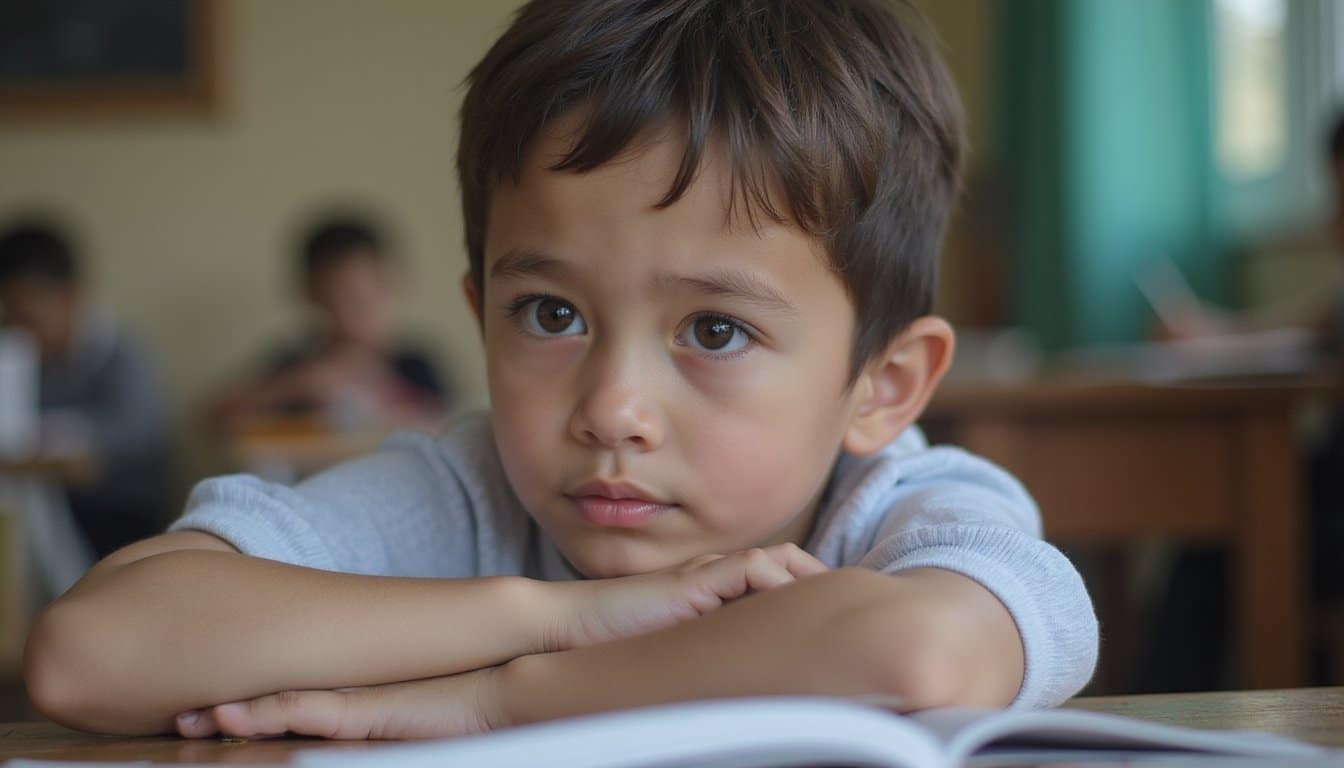
Though every child adjusts to a new school at their own pace, research consistently shows that the youngest students in a class face a steeper climb. Studies of over one million children found that the youngest in their year group have a 30% higher chance of developing depression and increased rates of ADHD diagnoses compared to older classmates.
- Cognitive readiness gaps make it harder to manage new academic demands.
- Weaker behavioral regulation leads to difficulty during shifts and unstructured time.
- Peer relationship challenges leave them feeling excluded, lowering adjustment scores.
- Age-related emotional immaturity reduces their ability to control stress effectively.
If your child’s among the youngest, you’ll want to build routines and social connections early.
The Skills That Help Children Settle in Faster
Children who develop strong communication, independence, social, emotional, and adaptability skills tend to settle into new schools and environments noticeably faster.
When you talk openly about feelings and highlight exciting opportunities like new subjects or activities, you reduce your child’s anxiety and build their confidence. Encouraging them to manage tasks like packing their school bag fosters independence, while joining extracurriculars helps them connect with peers who share similar interests.
Retaining familiar routines provides comfort during upheaval, and validating your child’s emotions gives them space to process change at their own pace. Visiting the school beforehand and learning local customs like common greetings minimizes unknowns and speeds up blending in. These skills don’t develop overnight, but with your consistent support, your child builds the resilience they need to thrive.
How Dubai Teachers Support Children During Settling

The skills you nurture at home lay a strong foundation, but your child’s teachers play an equally powerful role once the school day begins. Dubai’s schools use structured support systems to help new students feel welcome and confident:
- Inclusion departments integrate children into mainstream classes with specialist staff who tailor approaches to individual needs.
- Individual Learning Support Assistants work alongside your child, helping them access learning and navigate daily school life.
- Shadow teachers provide one-on-one supervision addressing academic, emotional, and social needs simultaneously.
- Teacher buddies connect new families with experienced staff who guide settling both inside school and across the wider expat community.
These layered supports mean your child isn’t relying on resilience alone, they’re surrounded by professionals actively invested in their assimilation.
Do Girls Settle Into School Faster Than Boys?
You may notice that girls often settle into Dubai schools a bit faster than boys, partly because they tend to develop social-emotional skills like empathy and communication earlier, which helps them form friendships and adapt to new classroom dynamics more quickly. Research across UAE schools supports this pattern, showing girls consistently outperforming boys in reading and social engagement, which suggests they’re traversing the adjustment process with greater ease. If your son is taking longer to establish his position, that’s completely normal, boys often need extra time and support to build routines and connections before they feel truly settled.
Social-Emotional Maturity Differences
When families relocate to Dubai, parents often wonder whether their daughters will settle into school more quickly than their sons. While research on gender-based settlement differences in Dubai schools remains limited, you’ll want to focus on what actually helps each child adapt:
- Watch for individual cues, your child’s personality matters more than gender when predicting adjustment speed
- Establish routines early, consistent schedules help all children feel grounded
- Create social opportunities, playdates and activities accelerate friendship-building regardless of gender
- Partner with your child’s school, Dubai’s international schools regularly support new students through structured move programs
Rather than comparing your daughter’s and son’s timelines, you’ll see better results by responding to each child’s unique emotional needs during this move.
Gender-Based Adaptation Rates
You’ll find this disparity extends beyond reading. Dubai ranks third-highest globally for gender gaps in science, with girls leading by 27 points. All-girl schools foster calmer, more cooperative environments that reduce bullying and strengthen achievement. Meanwhile, boys in public schools often face higher retention rates due to academic failure, sometimes falling an entire grade behind peers.
If you’re raising boys, don’t panic, you can bridge this gap by choosing schools with strong support structures, mentorship programs, and curricula designed to engage male learners effectively.
Boys’ Settling Period Challenges
Although girls generally adapt to Dubai’s school environment more quickly, boys face a steeper climb, and the data backs this up. In public schools, boys consistently achieve lower grades, experience harsher discipline, and report weaker connections with teachers.
- Dropout rates peak at grade 10, with 11% of boys in public schools not reaching grade 11.
- 47 out of 100 boys repeat at least one year between grades six and twelve.
- Boys experience more physical discipline and criticism from teachers than girls.
- Classroom environments often lack enrichment, no art classes, music, or meaningful field trips.
If you’re relocating with sons, you’ll want to research schools carefully. Prioritizing strong student-teacher relationships and engaging classroom environments can substantially ease your boy’s settling period.
Why a Consistent Morning Routine Helps Settling
Because mornings set the tone for everything that follows, establishing a consistent wake-up routine is one of the most effective ways to help your child settle into life in Dubai. Structured mornings reduce anxiety, build self-regulation, and create the predictability children need during major transformations.
| Morning Routine Benefit | How It Supports Settling |
|---|---|
| Stress reduction | Predictable schedules help your child feel calm and in control during adjustment |
| Cognitive performance | Consistent sleep-wake cycles enhance alertness and academic focus |
| Self-regulation growth | Independent morning tasks build responsibility and decision-making skills |
When your child knows what to expect each morning, they’re free to direct their energy toward making friends and adapting to their new school rather than managing daily uncertainty.
Daily Habits That Help Your Child Settle Into School
Once your child’s morning routine feels steady, the next step is building daily habits that support their adjustment throughout the entire school day. These small, consistent practices help your child feel grounded and confident as they navigate their new environment.
Focus on these four daily habits:
- Limit screen time, With 37.7% of UAE students exceeding seven hours on screens outside lessons, setting clear boundaries frees time for connection and play.
- Prioritize physical activity, Encourage sports like football, basketball, or table tennis to boost energy and friendships.
- Protect sleep, Early UAE school starts mean bedtime routines matter; even 30 extra minutes of sleep improves concentration and behaviour.
- Arrive early, Building in 15, 20 minutes before class reduces stress and builds lasting punctuality habits.
What to Do When Your Child Still Hasn’t Settled In
If your child is still struggling to adjust after several weeks, it’s important to seek professional support early, a child psychologist or counselor experienced with expatriate families can identify underlying issues before they escalate. At the same time, communicate openly with your child’s teachers to understand what they’re observing in the classroom and collaborate on strategies that address specific concerns. If progress remains limited despite these efforts, you may need to reassess placement options to find a school environment that’s a better fit for your child’s needs.
Seek Professional Support Early
When your child still hasn’t settled in despite your best efforts, seeking professional support early can make a significant difference, and Dubai offers a clear advantage here.
Unlike the UK, France, or Germany, where families often wait years for assessments, Dubai provides prompt access to qualified specialists. You won’t lose precious time waiting for answers.
Here’s what you can access quickly:
- Speech therapy, occupational therapy, and play therapy through premium insurance or private pay
- Comprehensive developmental assessments to identify underlying challenges
- Individual Education Plans (IEPs) developed with your child’s school to establish targeted support
- Specialized centers like The Developing Child Centre or Jad’s Inclusion for broader therapeutic services
Early diagnosis means faster intervention. If something feels off, don’t wait, act now while support is readily accessible.
Communicate With Teachers
Most settling-in challenges become far more manageable once you’ve established a strong communication line with your child’s teachers. You’ll want to use the right channels and maintain a professional, courteous tone throughout every interaction.
| Communication Method | Best Used For | Expected Response Time |
|---|---|---|
| Professional email | Non-urgent academic concerns | 24, 48 hours |
| Pre-arranged meetings | Detailed discussions about settling in | Scheduled in advance |
| School communication portal | Routine updates and check-ins | Varies by school |
If your concern feels urgent, don’t hesitate to contact the main reception, who’ll escalate it to senior leadership. Keep written records of all communications and follow-up notes after meetings. This documentation helps you track your child’s progress and guarantees nothing falls through the cracks during this critical adjustment period.
Reassess Placement Options
Despite your best efforts to support your child’s change, there are times when a school simply isn’t the right fit, and recognizing that reality takes courage, not defeat. If your child still hasn’t settled after reasonable time, consider reassessing their placement by evaluating these key factors:
- Social integration, Does your child consistently struggle to form friendships despite opportunities?
- Academic alignment, Is the curriculum matching their learning style and ability level?
- Emotional wellbeing, Are anxiety or behavioral changes persisting rather than improving?
- School responsiveness, Has the school actively supported your child’s movement?
You’re not failing by exploring alternatives. Dubai’s diverse school landscape means there’s likely a better match waiting. A well-timed shift can transform your child’s experience and accelerate their adjustment to life here.
Your Move to Dubai Starts With the Right Support
Planning childcare and schooling before your move is just one piece of the bigger picture, and having the right team by your side makes all the difference. At Allocation Assist, we go beyond job placement, supporting medical professionals and their families through every step of the relocation process so you can focus on what truly matters. Ready to take the next step in your career? Book a free consultation or call (+971) 4 273 3477 today.
Frequently Asked Questions
Does Dubai’s Hot Climate Affect How Quickly Children Adjust to Living Here?
Dubai’s hot climate can indirectly affect your child’s adjustment. Limited outdoor play during peak heat may slow social and physical development, since fewer than one in five UAE schoolchildren meet daily activity recommendations. You’ll want to lean into indoor play options, structured activities, and extended nursery hours that help your child acclimate comfortably. Staggered school timings also ease family routines, reducing stress so your child can settle in more smoothly.
How Does Relocating From Another Country Compare to Moving Within the UAE?
Moving from another country typically requires a longer adjustment, around 3, 6 months for younger children and up to 12 months for teens, due to culture shock, curriculum changes, and new social dynamics. If you’re relocating within the UAE, you’ll likely find the shift much smoother since your children already understand the climate, culture, and systems here. Retained social ties and familiar routines mean they’ll settle in considerably faster.
Should Parents Delay Enrolling Children Born Between September and December?
You don’t necessarily need to delay enrollment. Under Dubai’s updated age cut-off, children born September through December can now enter school earlier without waiting an extra year. Research from over 39,000 students shows no academic disadvantage from early entry, some younger entrants actually performed stronger. You’ll want to ponder your child’s individual readiness, and schools will conduct their own assessments. It’s ultimately your choice, so trust your instincts alongside professional guidance.
Do Children With Prior International Experience Settle Into Dubai Schools Faster?
Children who’ve attended international schools before often settle into Dubai classrooms more quickly. They’re already familiar with diverse environments, multicultural classrooms, and the experience of being “the new kid.” You’ll likely notice your child making connections faster because they’ve developed adaptability skills from previous shifts. However, every child’s different, even experienced movers sometimes need extra support. Don’t assume prior experience guarantees a smooth changeover; stay attentive to your child’s emotional needs throughout the process.
How Do Long School Commutes Impact a Young Child’s Settling-In Process?
Long commutes can slow your child’s settling-in process by adding fatigue and reducing time for after-school socializing. When trips stretch 60, 80% longer during peak hours, young children often feel drained before the day’s even begun. You’ll want to explore pooled transport or shared buses, they’re safer, more affordable, and can cut ride times substantially. Shortening that daily travel gives your child more energy to build friendships and establish comforting routines.