To land a healthcare job in Dubai by 2025, you’ll need the minimum qualifications (MBBS for doctors, B.Sc. for nurses) and 2-5 years of experience. Create a Sheryan portal account to initiate DHA licensing, complete DataFlow verification (6-12 weeks), and pass required medical exams. You’ll need employer sponsorship, with visa costs ranging from AED 3,000-7,500. Competitive salaries match Western standards, with specialists earning up to $400,000 annually. The following steps will maximize your chances of success in Dubai’s healthcare sector.
Essential Qualifications and Experience Requirements

While Dubai’s healthcare sector offers attractive opportunities for foreign professionals, securing a position requires meeting stringent qualification and experience requirements set by multiple regulatory bodies. You’ll need a minimum of an MBBS for doctors, B.Sc. for nurses, or B.Pharm for pharmacists, along with 2-5 years of post-qualification experience depending on your role. The Dubai Health Authority regulates the entire licensing process to maintain high healthcare standards. As per the new Law No. 5 of 2025, healthcare professionals must complete standardised medical exams before employment clearance.
Your credentials must undergo thorough evaluation through DataFlow verification, which typically takes 6-12 weeks. For doctors, specialized training beyond MBBS is mandatory, and surgeons must provide detailed logbooks of procedures. If you’re coming from a non-UAE institution, you’ll need Ministry of Education equivalency validation. Remember, all non-English documents require official translation, and you must maintain active licensure from your country of last employment. Professionals can now return to practice even after a three-year career gap, offering greater flexibility for those who took extended breaks.
DHA Licensing Steps and Timeline
Once you’ve met the baseline qualification requirements, maneuvering through the DHA licensing process requires strategic planning and meticulous attention to detail. Your journey begins with creating a Sheryan portal account and initiating the Dataflow verification, which typically takes 30-45 days. All required documentation must be provided in English or Arabic. The process starts with completing a mandatory self-assessment tool to determine your initial eligibility.
After receiving verification clearance, your DHA application moves to eligibility assessment, where you’ll be classified as eligible, conditionally eligible, or rejected. You’ll then need to tackle the exam preparation phase, focusing on the 150-question assessment that covers clinical and ethical decision-making. The entire process typically spans 3-6 months, concluding with license activation once you secure a job offer from a DHA-approved facility. Remember, your exam results remain valid for six months, so timing your application and job search strategically is vital. Applicants must provide Good Standing Certificates for professional verification during the licensing process.
Navigating the UAE Healthcare Visa Process
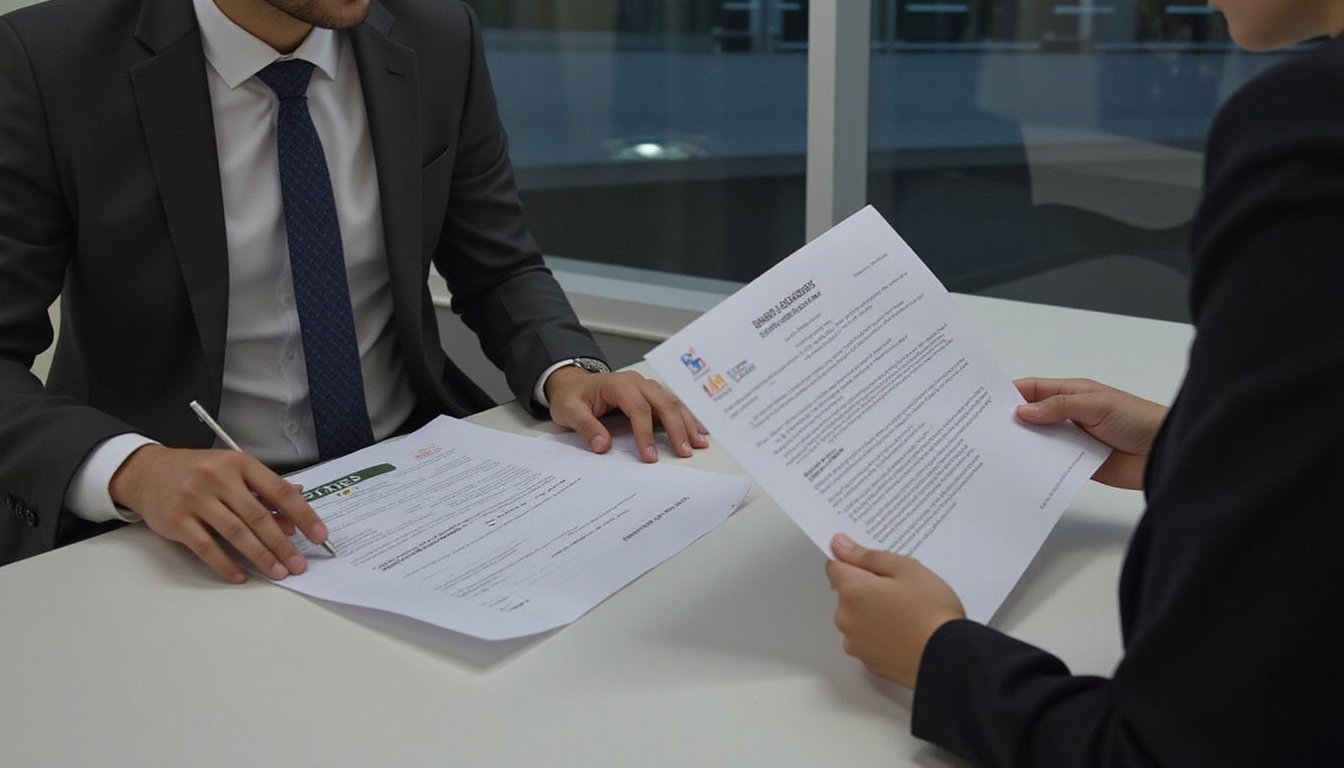
Securing a healthcare position in the UAE requires understanding the employer sponsorship system, which mandates that licensed facilities must handle your visa processing and provide extensive health insurance coverage. You’ll need to verify your potential employer’s sponsorship capabilities and insurance packages, as these benefits can vary considerably between mainland companies and free zone entities. Free zone visas often provide additional flexibility with employment mobility and business ownership options, though you’ll still need to meet the standard medical screenings and professional licensing requirements regardless of location. Healthcare professionals must prepare for visa costs ranging from AED 3,000 to AED 7,500 during the application process. Employers must submit your signed employment contract and complete the visa process within 14 days of approval. The process typically requires submission of attested educational certificates and completion of thorough background checks before visa approval.
Employer Sponsorship Requirements
The path to UAE healthcare employment hinges on three critical sponsorship components: securing a job offer from a licensed provider, meeting MOHRE’s strict verification requirements, and completing the proper visa documentation.
To initiate the sponsorship process, your employer must verify that your role meets the minimum salary threshold of AED 15,000 monthly for skilled positions and aligns with MOHRE Skill Levels 1-5. Companies must also adhere to mandatory Emiratisation quotas when hiring healthcare professionals. Employer obligations include submitting work permit applications and ensuring your qualifications match UAE healthcare regulations. Medical professionals must undergo a fitness test before starting employment. You’ll need to reflect on whether your position falls under free zone or mainland sponsorship, as this affects visa quotas and operational scope.
Your employer must maintain compliance with MOHRE guidelines throughout your employment term, including salary requirements and professional licensing standards specific to your emirate state.
Health Insurance Coverage Rules
Before you can obtain your UAE healthcare visa, you’ll need to navigate a detailed medical screening process that includes mandatory blood tests and chest X-rays at government-approved facilities. Your employer must provide extensive health insurance coverage that meets UAE standards and coordinates with local health authorities for your medical documentation. Health insurance is a mandatory requirement for all skilled workers in the UAE.
The streamlined visa process in 2025 significantly reduces the waiting time for medical clearance approvals. You’ll need to make certain your health insurance policy aligns with emirate-specific coverage rules and includes provisions for mandatory communicable disease screenings. The coverage must remain valid throughout your employment contract period and coordinate with your Emirates ID registration. The typical processing time for healthcare visas takes 2 to 4 weeks from initial application to completion. Your employer will handle the submission of health-related documents to MOHRE and monitor compliance with medical residency requirements. Keep in mind that all medical documentation must be in Arabic or accompanied by certified translations to meet UAE health standards.
Free Zone Visa Benefits
Dubai’s free zone visa system offers healthcare professionals five distinct pathways to establish their careers in the UAE: employment visas through free zone employers, investor visas for clinic ownership, freelance permits for independent practice, student visas for medical training, and dependent visas for family relocation. Free zone authorities provide modern infrastructure and amenities to ensure healthcare facilities operate seamlessly.
The free zone visa advantages include streamlined processing with electronic entry permits valid for 60 days and in-country status changes that eliminate re-entry requirements. Healthcare professionals must undergo a mandatory medical test at government-approved centers as part of the visa application process. You’ll benefit from fast-track options that reduce processing time to just 5-7 days. The visa packages, ranging from 3,750-6,000 AED for employment visas, include medical screenings and Emirates ID registration. For entrepreneurs, free zone investor visas enable 100% ownership of healthcare facilities without local partners, while partner visas are available for those investing 50,000+ AED in DMCC companies.
Job Market Analysis and Salary Expectations

Competitive Salary Packages Explained
Understanding Dubai’s healthcare salary landscape requires careful analysis of the sector’s tiered compensation structure. You’ll find that general practitioners earn AED 25,000-40,370 monthly, while specialists in fields like cardiology can command AED 35,000-90,000+. Your earning potential notably increases with specialization and experience.
When approaching salary negotiation, you’ll need to take into account facility type and location, as hospitals in affluent areas typically offer enhanced compensation packages. Tax-free earnings make Dubai particularly attractive, and you’ll benefit from additional perks like housing allowances and health insurance. Your bargaining power strengthens with advanced certifications and specialized skills, particularly in high-demand areas like ICU or OR nursing. For maximum earnings, target private sector positions and think about pursuing consultant specialist roles, which can reach AED 110,000 monthly.
High-Demand Medical Specialties
As the UAE’s healthcare sector continues to evolve, five medical specialties have emerged as particularly lucrative and in-demand fields. Cardiology trends show a surge in lifestyle-related disorders, while orthopedic innovations are driven by an aging population and sports medicine demands. You’ll find oncology advancements creating opportunities through expanded treatment centers and precision medicine initiatives.
Neurological care is experiencing significant growth due to stroke management needs and minimally invasive procedures, complemented by remote monitoring technologies. The dermatology growth sector offers promising prospects, particularly in cosmetic procedures and advanced laser therapies. With medical tourism boosting demand across all specialties, you’ll discover extensive opportunities in specialized clinics and treatment centers. These fields require staying current with emerging technologies and treatment protocols to maintain competitive advantage in Dubai’s healthcare market.
Professional Licensing Updates for 2025
The UAE’s healthcare licensing landscape will undergo a significant transformation in 2025, with the introduction of a unified cross-emirate system that streamlines professional credentialing. These regulatory changes will eliminate the need for separate registrations across emirates, making it easier for you to practice throughout the UAE.
Key licensing updates you’ll need to navigate:
- DataFlow verification remains mandatory but integrates seamlessly into the unified framework, with a 6-8 week processing timeline for all credentials
- Experience requirements for specialists have been reduced, creating more opportunities for early-career professionals
- The standardized evaluation criteria apply uniformly across all emirates, simplifying your application process
You’ll still need to maintain valid good standing certificates and complete medical fitness tests if you’re over 65, but the overall process is becoming more efficient and accessible.
Working With Healthcare Recruitment Agencies
While traversing Dubai’s healthcare job market can seem intimidating, partnering with specialized recruitment agencies considerably streamlines your path to employment. Leading firms like Healthbridge Consultancy and Medacs Healthcare offer thorough agency partnerships that handle everything from credential verification to relocation logistics.
Your recruitment strategies should focus on agencies that align with your specialization. If you’re seeking nursing positions, consider Hays Healthcare or Maxicare Recruitment, which specifically target these roles. These agencies will manage your Dataflow verification, DHA registration, and pre-hiring exams while negotiating competitive tax-free packages ranging from AED 4,250-5,000 monthly. They’ll also coordinate your pre-departure orientation and guarantee you meet essential criteria, including age requirements (22-40 years) and minimum experience levels (2+ years clinical experience).
Post-Registration Career Development
Successfully securing your DHA license marks just the beginning of your healthcare career journey in Dubai. Your career growth trajectory now depends on strategic skill enhancement through continuous professional development and cultural adaptation programs.
Getting your DHA license opens doors, but ongoing professional growth and cultural learning drive lasting success in Dubai healthcare.
To accelerate your advancement in Dubai’s healthcare sector:
- Pursue specialized certifications in emerging areas like AI-integrated coding tools, telemedicine protocols, and data analytics through DHA-approved training partners
- Join UAE Career Development Hub programs that combine technical upskilling with cultural competency training, especially in Arabic language proficiency
- Engage with professional networks and mentorship opportunities through UAE healthcare organizations, focusing on leadership roles in specialized disciplines
Stay competitive by leveraging collaborations with universities and industry partners offering advanced training in digital health platforms and blockchain technologies. Your success hinges on balancing technical expertise with cultural understanding.
Healthcare Employment in Free Zones vs. Mainland
Before choosing between Dubai’s Free Zones and Mainland employment opportunities, healthcare professionals must understand fundamental operational differences that impact their career trajectory.
Mainland positions offer broader market access and enhanced credibility with UAE institutions, but come with more complex visa challenges and regulatory requirements. You’ll need to navigate MOHRE approvals and longer processing times, though you’ll benefit from unlimited visa eligibility based on facility size. In contrast, Free Zone employment features streamlined visa processing and potential tax advantages, but restricts your ability to serve mainland patients directly.
Your decision should align with your long-term goals. If you’re targeting UAE government contracts or local hospital networks, mainland employment provides better positioning. However, if you’re focused on international clientele or remote work flexibility, Free Zone opportunities might better suit your needs.
Frequently Asked Questions
Can Healthcare Professionals Bring Their Families During the Initial Licensing Period?
You can bring your family during the initial licensing period if you meet the visa requirements, including the minimum salary threshold of AED 4,000 (or AED 3,000 with registered accommodation). You’ll need to provide proper documentation, arrange health insurance, and secure suitable housing with an Ejari contract. While pursuing your healthcare license, you can maintain family support by ensuring your residence visa has at least three months’ validity when sponsoring dependents.
Are There Age Restrictions for Foreign Healthcare Workers in Dubai?
You’ll need to contemplate age criteria when seeking healthcare positions in Dubai. While there’s no strict upper age limit for initial licensing, you’ll face insurance-related challenges after age 64. Basic health coverage typically applies to workers aged 1-64, and you’ll need special medical disclosures beyond this age. Though some licensing exemptions exist for highly specialized professionals, it’s best to secure your position before reaching the insurance age threshold.
What Happens if You Fail the DHA Exam Multiple Times?
If you fail the DHA exam multiple times, you’ll face serious consequences. After three failed attempts at either the CBT or oral assessments, your account will be blocked, and you’ll lose your practice eligibility. You can’t simply retake the exam; you’ll need to upgrade your qualifications and submit proof of additional training before reapplying. Remember, any passed exams are only valid for one year, so you must complete the licensing process within that timeframe.
Can Healthcare Professionals Work Part-Time or in Multiple Facilities?
Yes, you can work part-time and for multiple employers in Dubai’s healthcare sector. The 2025 law explicitly permits part-time opportunities with proportional benefits and flexible schedules. You’ll need to register with MOHRE and maintain your DHA license. Through freelance contracts, you can practice across different facilities, though specific employer agreements may limit moonlighting. Job-sharing arrangements are also available, letting you split your time between multiple healthcare settings.
How Do Maternity Leave Policies Differ for Expatriate Healthcare Workers?
As an expatriate healthcare worker, your maternity benefits will primarily depend on your sector and employment contract. You’ll receive at least 45 days fully paid plus 15 days half-paid leave in private facilities, while government positions offer a more generous 90-day paid leave. Your expatriate rights are protected by law, ensuring you can’t be dismissed during maternity leave. You’ll maintain health insurance coverage, and you can negotiate additional benefits through your employment contract.