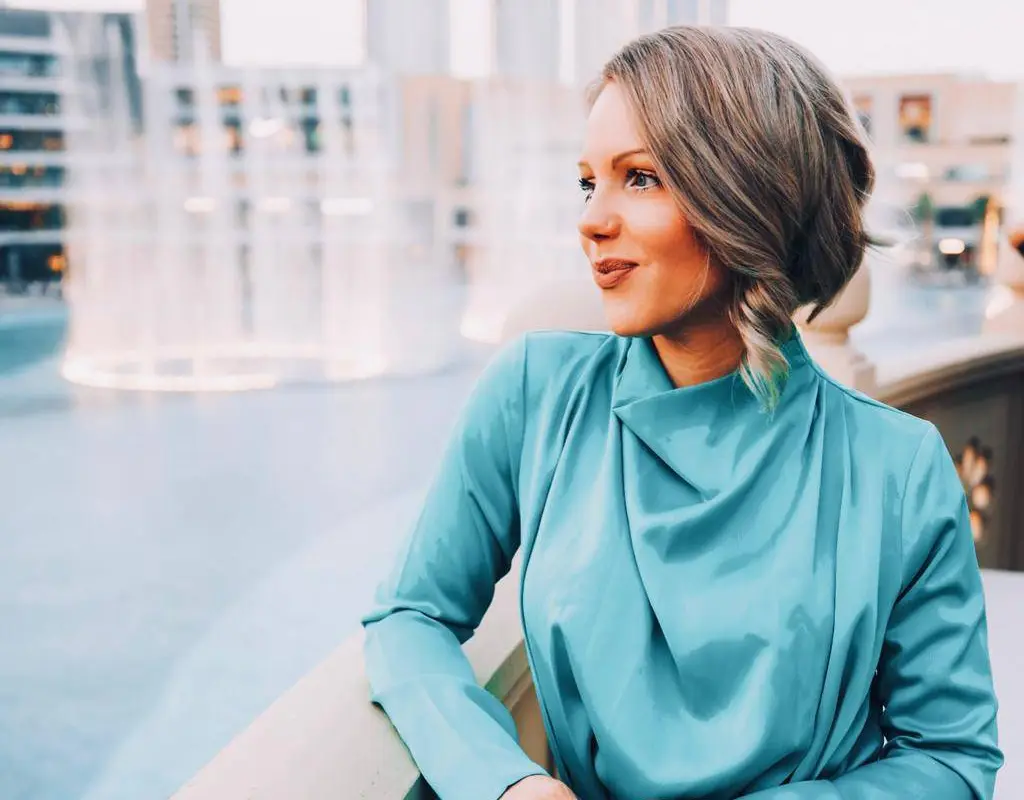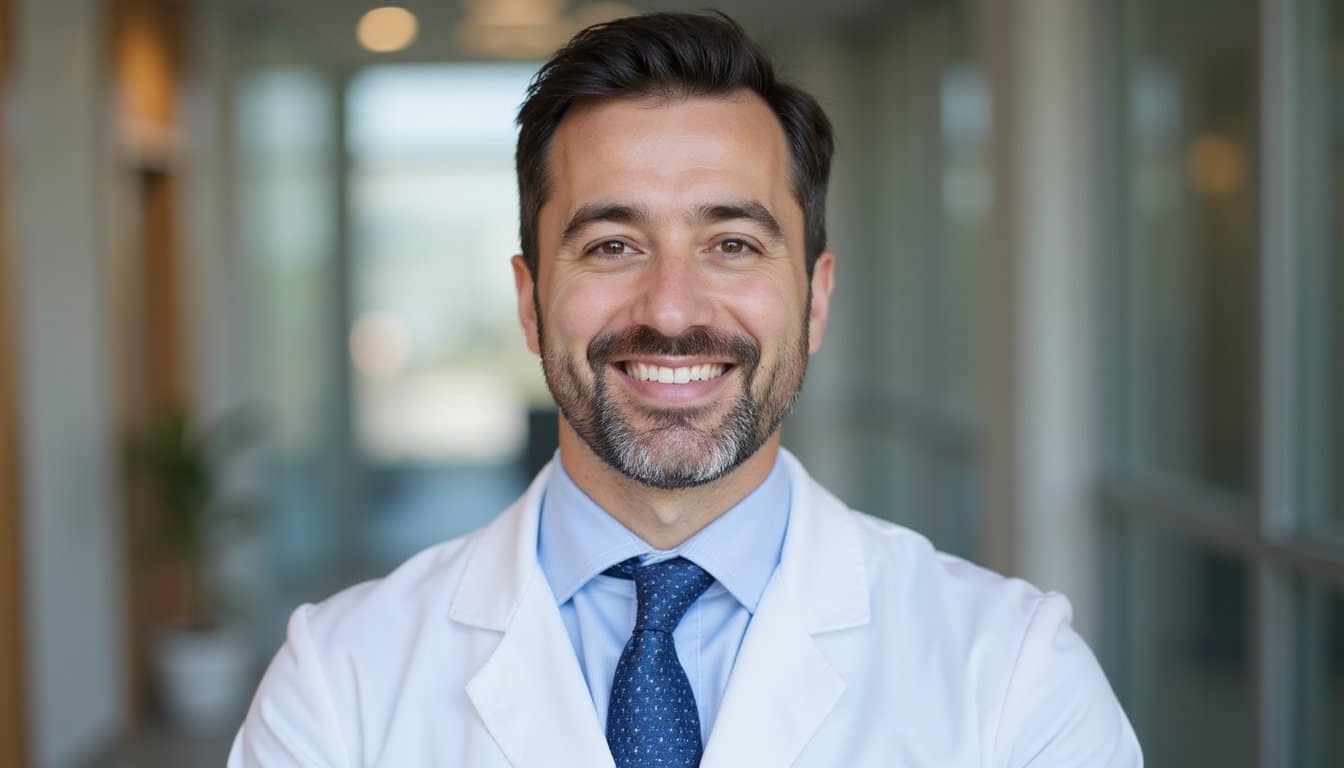
Dr. Marian Khatib specializes in oncoplastic breast surgery, a discipline that bridges tumor excision with plastic surgery to optimize both survival and quality of life. She performs breast cancer procedures using the SP single-port robot, the first system of its kind in the Middle East approved for breast surgery, the only system CE-approved for breast procedures. This technology enables nipple preservation and scarless breast surgery in suitable cases. Her journey to Dubai and the support system behind it reveal an equally compelling story.
The Specialty: Oncoplastic Breast Surgery and Why It Matters
“Oncoplastic breast surgery is a field that treats breast cancer by using techniques from the plastic surgery world in order to get better results oncologically and aesthetically,” Dr. Khatib explains.
She notes the importance of this approach as survival rates improve.
“Breast cancer is not what it once was anymore. The survival rates now are very good. For women who are now diagnosed with early stage breast cancer, most of them heal, make a full recovery and they live a long life afterwards. So the body image is very important.”
“As the field has evolved, specialized training has become increasingly important. “Women should know to ask for a surgeon who is specialized in this field and has the vision of seeing the quality of life and the aesthetic side of things after the surgery and not only removing the tumor.
“American Hospital Dubai has successfully assembled a focused team in this particular specialty. To find a Breast Cancer Center where all the specilaised oncoplastic breast surgeons have such qualifications and experience is uncommon globally.”
Technology and Innovation: The SP Single-Port Robot
The hospital recently acquired the SP single-port robot for breast procedures. “It’s the only robot that is CE approved for breast operations and the first in the Middle East.”
The system enables scarless breast surgery with nipple preservation in suitable cases. “You can remove the whole breast with a very little scar that is away from the breast. And the breast itself is scarless. They go out of the surgery with reconstructed breast, without scars on it, with the nipples preserved. When it’s possible, it’s magic.”
Dr. Khatib notes the importance of case selection. “It doesn’t match all cases, of course. You have to select the cases that are suitable for that approach.”
The Healthcare Environment in Dubai
Dr. Khatib identifies differences between Dubai and some established Western healthcare systems based on her experience. “Dubai is a very special place, in everything, including the healthcare sector. What’s special about the healthcare sector here is that you can make an impact, you can change things, you can have an effect on what you’re doing more than in many places where we’re talking about big systems that are very well-established. It’s less hierarchical in my experience. Here, it’s different.”
She describes the environment as performance-based. “I think this is good because it can attract people with very high motivation and with good potential.”
The Relocation Decision: Unexpected but Aligned
Dr. Khatib’s career move wasn’t orchestrated. “I had a very good position… I had a prosperous career,” she states. A call from Emilie Davies at Allocation Assist shifted timing considerations unexpectedly, she interviewed between surgeries. Though she’d maintained DHA registration, active relocation planning didn’t exist.
“It just happened. It wasn’t planned.”
Dubai’s competitive market demands credentialed specialists.
“To come here, you have to be a very well-established physician.”
Her passion for specialty oncoplastic work aligned precisely with American Hospital Dubai’s program.
Allocation Assist and Long-Term Support
Her experience with Allocation Assist began years before her move. “I was in touch with Emilie, actually, about three or four years before I did the DHA registration. I was just curious. I didn’t do any active steps. And every now and then she called to ask how I’m doing, what I’m considering now. And I kept postponing until I said, okay, will have the DHA, and we’ll see what happens. And it was a very good experience.”
Beyond the initial placement, Allocation Assist maintains a network of relocated physicians, providing ongoing support and professional community for doctors who’ve made the transition. This peer network complements the strong surgical teams at partner hospitals like American Hospital Dubai.
On finding the right match: “The match with American Hospital was very aligned. I feel so lucky that I came to this organisation. I think there’s a lot of opportunity to grow here, the management is amazing, and very supportive. I feel like this is the place for me to be.”
Life in Dubai
Beyond professional considerations, Dubai’s living environment has reinforced Dr. Khatib’s decision. “For children, it’s extremely safe,” she notes, highlighting the city’s security and high education standards as key factors for families. Dubai offers a wide range of lifestyle options, allowing residents to choose the type of environment that suits them best. Dubai offers outdoor activities, nightlife options, and flexibility that accommodate varied preferences.
“You can find whatever you want. You can choose a lifestyle that you want to live,” she explains.
This adaptability extends to work-life balance, a critical factor for senior physicians managing demanding careers alongside family responsibilities in a performance-driven healthcare system.
Exploring Opportunities Beyond Your Current Practice
- Assess leadership development programs that align with your subspecialty goals
- Evaluate work life balance considerations specific to the target market
- Build professional networking strategies through recruitment partners like Allocation Assist
- Prioritize institutions offering technological infrastructure that matches your expertise
Dubai’s performance-driven ecosystem rewards initiative, making it compelling for ambitious specialists seeking meaningful growth.
Thinking About a Move to the Middle East?
At Allocation Assist, we match your expertise with the right opportunity and support your family’s transition from start to finish. We’ve helped hundreds of Western-trained doctors build meaningful careers across UAE, Saudi Arabia, and Qatar.
Frequently Asked Questions
What training is required to become an oncoplastic breast surgeon?
Oncoplastic breast surgeons typically begin with training in general surgery or breast surgery. Many then pursue additional specialization in oncoplastic techniques that combine cancer surgery with reconstructive methods to improve both clinical and aesthetic outcomes.
What compensation can physicians expect when working in Dubai?
Physician compensation in Dubai varies depending on experience, specialty, and the healthcare institution. Many packages include benefits such as housing allowances, medical coverage, and other relocation or employment incentives in addition to base salary.
How long does the DHA licensing process usually take?
The DHA licensing process can vary depending on the applicant’s credentials and documentation. In many cases, it may take a few months to complete verification, credential review, and final approval before a physician can begin practicing.
Are there good schooling options for physicians relocating to Dubai with children?
Dubai offers a wide range of international schools that follow different curricula, including British, American, and international programs. This allows many expatriate families to find educational options that suit their preferences and long-term plans.