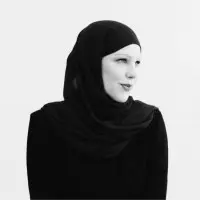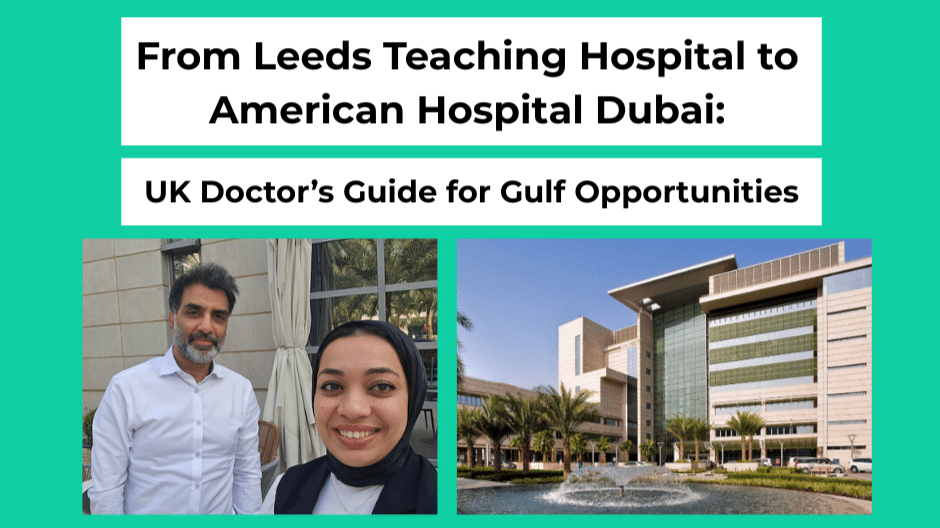
Dr. Leila Karimpoor treated high-profile patients in Los Angeles hospitals before relocating to Abu Dhabi, where she helped establish a hospitalist program and now teaches internal medicine to residents. Her multicultural upbringing across the Middle East and Europe gave her the adaptive skills to navigate new clinical systems quickly. She now shapes the next generation of physicians while expanding her impact far beyond the bedside. Her full journey reveals how she made it all work.
An International Foundation That Made the Transition Seamless
Few physicians arrive in the Gulf with the kind of cross-cultural foundation Dr. Leila Karimpoor carries. Raised between the Middle East and Europe, she built personal connections across continents early.
“I was very fortunate that I grew up international,” she says.
That upbringing eliminated communication barriers and accelerated cultural integration upon relocating. Her medical training reinforced this advantage.
“I had the opportunity to do my medical training in the best place on Earth, in the States.”
After years in Los Angeles hospitals treating high-profile clients, her shift felt less like a leap into the unknown. Logistical considerations aside, career growth opportunities aligned naturally.
What Transfers Across Borders, And What Doesn’t
| What Transfers | What Requires Cultural Adaptations in Healthcare |
|---|---|
| Clinical standards | Family-centered decision-making |
| Patient education challenges | Differences in patient independence |
| Administrative challenges in different systems | Brand-name medication familiarity |
When a patient has a good experience, they bring their families.” Her biggest adjustment? “Learning brand names of medicines.” This challenge of adapting to a new system is one consultant allergist Dr. Emilio Solano faced too after his move from Spain to Mediclinic Dubai. Specialists in the region utilize the latest techniques and treatments to manage various conditions effectively.
Building a Hospitalist Model in a Growing System
While many physicians relocate to the Gulf to fill existing roles, Dr. Karimpoor was recruited to help establish a hospitalist program at Burjeel Medical City. The US system contrast was stark: where American institutions move through layers of bureaucracy, Burjeel’s leadership encouraged speed.
“Things move fast here. If management approves your idea and you have the vision and work ethic, it’s limitless what can be done,” she says.
Her founder’s innovation mindset reinforced one principle:
“The best time for new ideas is when you’re new.”
Teaching the Next Generation
Beyond clinical practice, Dr. Karimpoor teaches BMC’s first internal medicine residents, a role she considers deeply meaningful.
“It’s a great responsibility. They’re the future doctors,” she says.
Her work teaching internal medicine residents draws on years of experience from her practice in Los Angeles. She navigates intercultural teaching challenges by leveraging her multicultural upbringing. She sees teaching residents as a major responsibility. These physician mentorship opportunities extend her impact far beyond patient care, shaping how medicine will be practiced in the UAE for decades. For Dr. Karimpoor, building physicians matters as much as treating patients.
The LA Comparison Nobody Expects
One question surfaces whenever Dr. Karimpoor discusses her shift: how do UAE patients compare to Hollywood’s elite? Her answer surprises most. Her experience treating high-profile patients in Los Angeles showed her that patient expectations are often similar everywhere.
“The sorts of wants and needs and demands that they have are very similar,” she notes, proving geography irrelevant in high-expectation medicine.
- Lifestyle expectations varied only in cultural norms shifting around family involvement, not clinical demands
- A sister’s mammogram scheduled during a family member’s visit demonstrated preventative care rippling beyond individual patients
- Family-level health impact became a measurable clinical achievement
Human nature transcends geography.
Advice for Physicians Considering the UAE
Dr. Karimpoor’s advice is direct:
“If you’re lucky enough to get an opportunity out here, you should take it.”
She champions an opportunity mindset, believing vision aligned with a strong work ethic determines success. “Your work is what you make it here.” Risk-taking rewards those prepared for cultural adaptation and professional development in unfamiliar systems. She also credits structured support for easing her shift.
“Allocation Assist were the most helpful and professional organization we had the good fortune of working with. I cannot stress enough how much they truly care about finding the right job for the right person.”
For physicians weighing the move, her message is clear, preparation meets opportunity in the UAE.
The Truth About the Move
Dr. Karimpoor’s assessment is balanced. The UAE isn’t perfect. Neither was LA. But the opportunity to build something, to contribute ideas, to teach the next generation of doctors, all while maintaining the clinical standards she’s known her entire career? That’s rare. The work of specialists like Dr. Mohamed Nayef’s advanced gynecologic care in Dubai shows this same setting for innovation and growth in the medical field. It allows practitioners to leverage cutting-edge technology and techniques that may not be as readily available elsewhere.
“Here, if you have management dedicated to change, things happen quicker. Your work is what you make it. Your potential is endless.”
The move from LA to Abu Dhabi that nobody talks about? It’s not about adapting to radical differences. It’s about recognizing that excellent medicine, challenging cases, and the drive to help patients transcend borders. Many practitioners are arriving in the region, eager to contribute as Dr. Kirthika Jeyaraman’s women’s health practice in Dubai shows. This influx brings diverse expertise that enhances patient care and supports community health initiatives.
The skills transfer. The compassion translates. The work continues.
Just with different brand names for the medications.
Thinking About a Move to the Middle East?
At Allocation Assist, we match your expertise with the right opportunity and support your family’s transition from start to finish. We’ve helped hundreds of Western-trained doctors build meaningful careers across UAE, Saudi Arabia, and Qatar.
Frequently Asked Questions
What opportunities are available for physicians working in Dubai and the UAE?
Dubai and the wider UAE offer growing opportunities for physicians across many specialties. Doctors can work in advanced hospital systems, contribute to new healthcare programs, participate in medical education, and gain international clinical experience in rapidly expanding healthcare environments.
Do international physicians need to adapt to cultural differences when practicing medicine in Dubai?
Yes. While clinical standards are similar to those in many Western healthcare systems, physicians must adapt to cultural expectations, including stronger family involvement in healthcare decisions and differences in patient communication styles.
Are patient expectations in Dubai similar to those in Western countries?
In many ways, yes. Patients in Dubai often expect high-quality care, clear communication, and strong physician relationships. Although cultural norms may vary, the core expectations for compassionate and effective medical treatment remain consistent.
What types of healthcare systems operate in Dubai hospitals?
Many hospitals in Dubai follow internationally recognized medical standards and often incorporate models used in the United States, Europe, and other global healthcare systems. These hospitals frequently employ multidisciplinary teams and advanced clinical technologies.
What should physicians consider before moving to Dubai to practice medicine?
Physicians considering relocation should research licensing requirements, healthcare regulations, workplace culture, and career growth opportunities. Understanding the local healthcare system and cultural environment can help ensure a smoother professional transition.