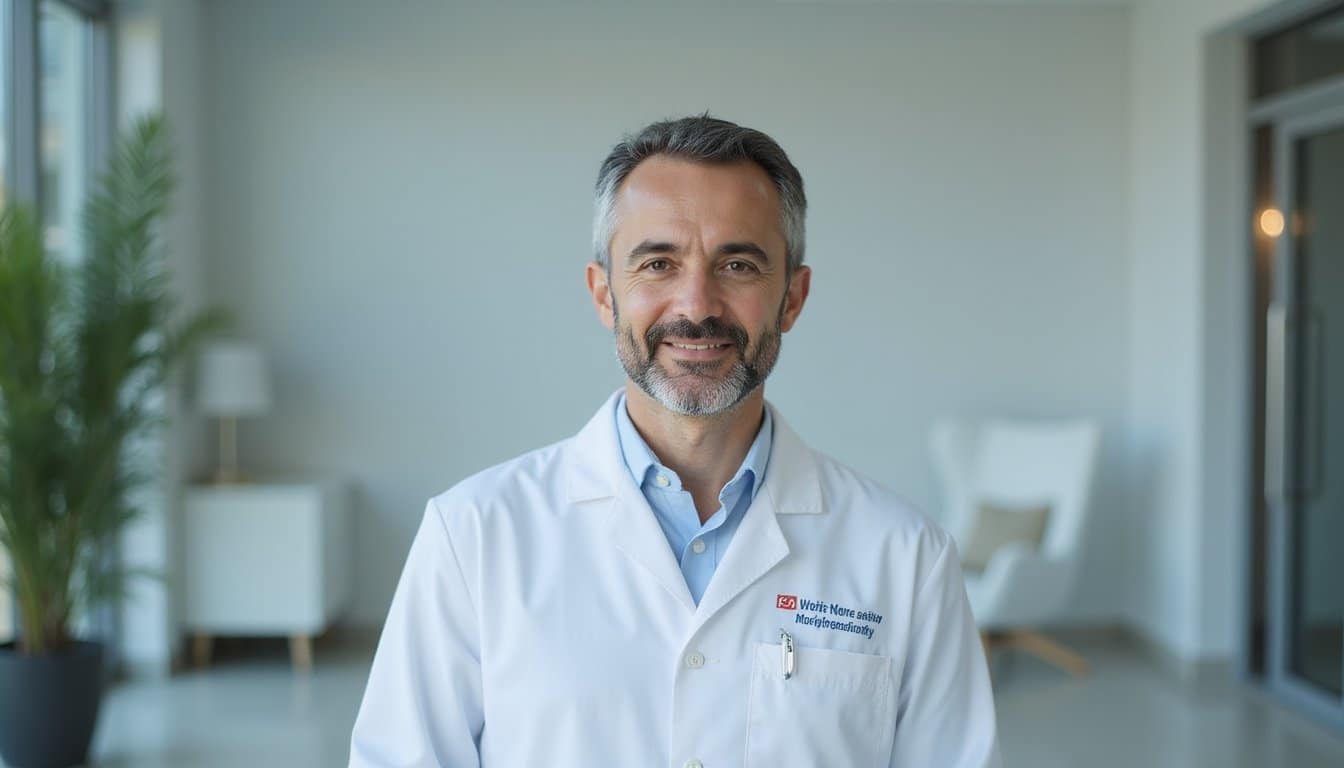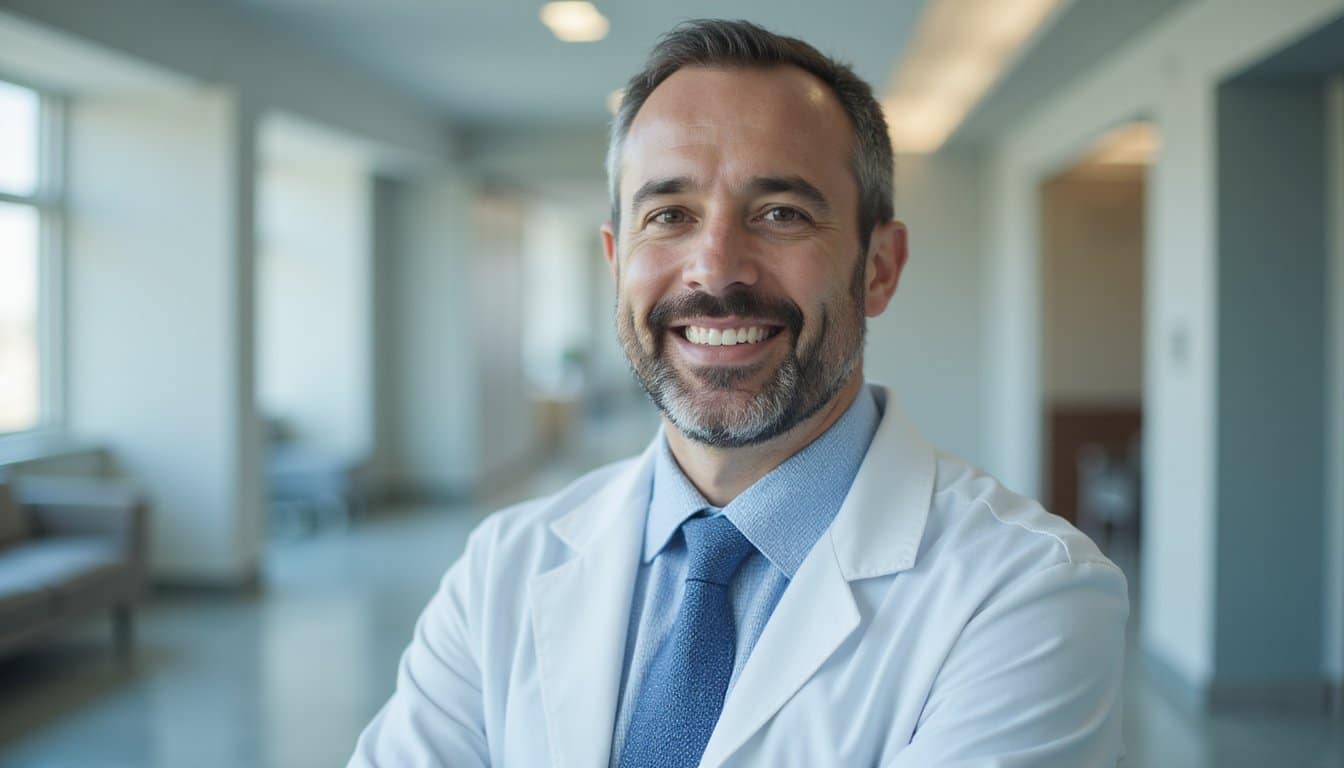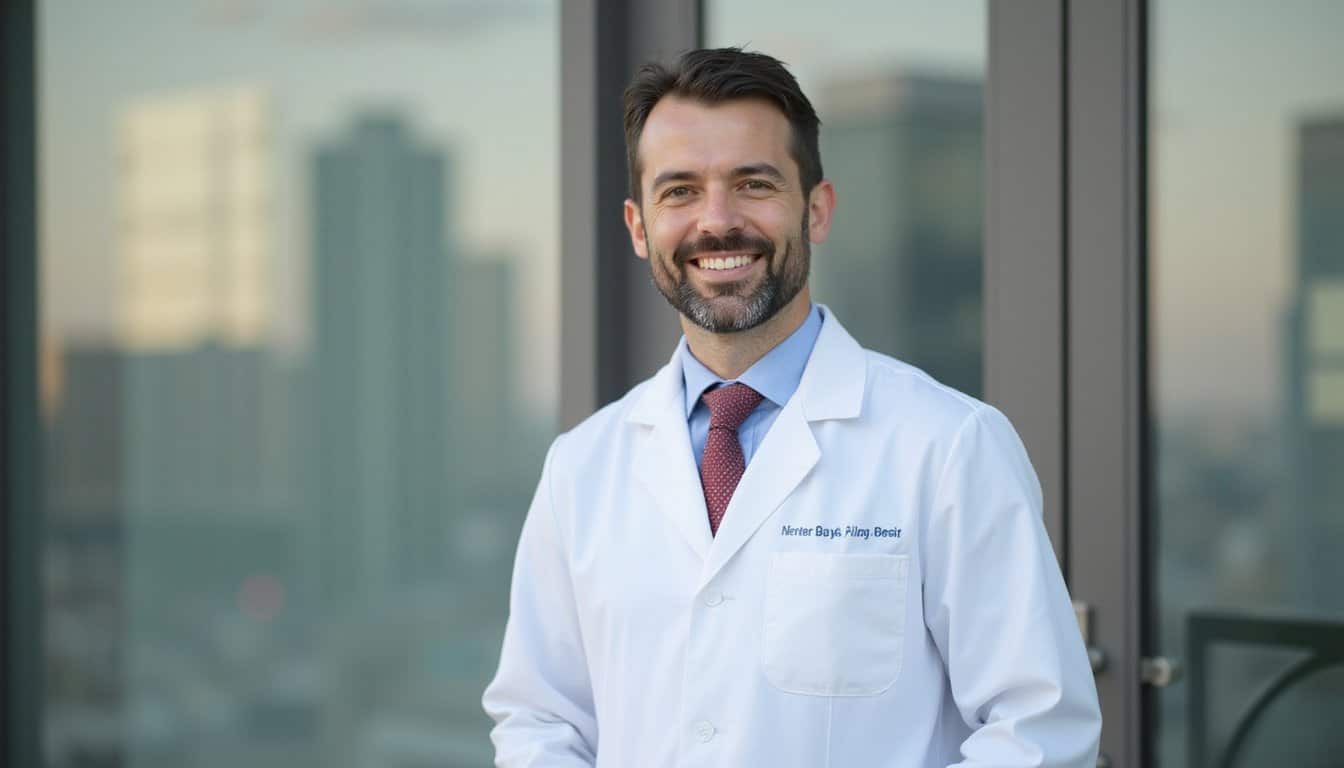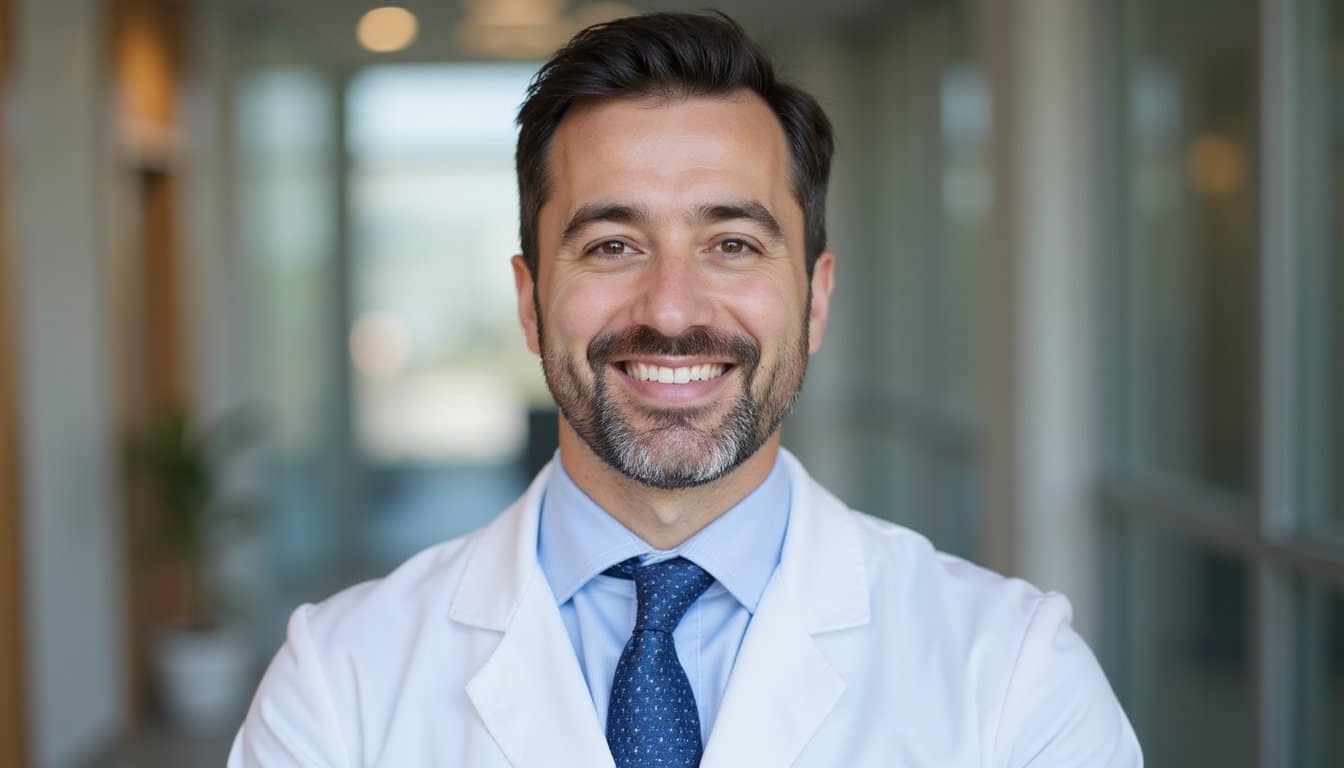
Dr. Ahmed Kemmou built his surgical career across three decades, starting with research at Harvard, advancing through robotic oncology programs in the U.S., and scaling a department from zero to five Da Vinci systems as Chief of Surgery in Arizona. He’s now performing complex cancer surgeries in Dubai using advanced robotic platforms at American Hospital Dubai. His move allowed him to continue advancing surgical innovation while reconnecting with his cultural roots. His full story reveals what experienced surgeons should expect.
From Harvard to Dubai: A 30-Year Surgical Foundation
Before Dr. Ahmed Kemmou became a leader in complex robotic procedures, his medical training journey began in Morocco, continued through research at Harvard, and advanced with a surgical residency at the University of Illinois in Chicago. His early exposure to evolving surgical techniques shaped his trajectory.
“When I finished my residency in 1998, minimally invasive surgery was still in its early stages,” he recalls.
Recognizing few surgeons were tackling complex cases minimally invasively, he pursued advanced robotics training, a decision that defined his surgical innovation milestones, pioneering oncology expertise, and ultimately led him to Dubai.
Building Centers of Excellence Before the Gulf
Over fourteen years in Arizona, Dr. Kemmou served as Chief of Surgery, scaling a robotic surgery program from zero to five Da Vinci systems. He navigated healthcare challenges including industry regulations, healthcare governance, and technology adoption across multidisciplinary teams.
“It took enormous effort to implement the program, demonstrate quality outcomes, and optimize treatment costs,” he states.
| Area | Achievement |
|---|---|
| Systems Built | 0 → 5 Da Vinci Platforms |
| Focus | Governance & Outcomes |
| Cost Strategy | Treatment Cost Optimization |
| Scope | Global Patient Flows |
| Foundation | Program-Building Excellence |
This experience building programs from strong foundations prepared him for Dubai’s emerging landscape.
At the Forefront of Robotic Surgical Oncology in Dubai
As Director of General Surgery at American Hospital Dubai, Dr. Kemmou performs complex GI cancer surgeries, stomach, liver, pancreas, and colon, alongside adrenal, soft tissue sarcoma, and collaborative gynecologic oncology procedures. He operates across multiple robotic system innovations, including the Da Vinci Xi, the region-first Da Vinci SP, the upcoming Da Vinci 5, and CMR Versius. Tumor board reviews and multidisciplinary case management guide every surgical plan, supported by virtual surgical planning for precision. His program emphasizes cost effective surgical strategies without compromising outcomes.
“We’re not just using this technology, we’re training the next generation of robotic surgeons,” he says, building toward a formal fellowship welcoming international surgeons.
Why He Chose Dubai
Dr. Kemmou’s decision wasn’t about starting over, it was about building forward. “After 30 years in the US, I wanted to be closer to my cultural roots while working somewhere that values innovation,” he explains. Cultural identity and family connections drove him toward Dubai, where global expansion in healthcare matched his ambitions.
- Cultural identity: Proximity to his roots and family connections
- Technology integration: Access to cutting-edge robotic platforms
- Professional fulfillment: Autonomy to lead and innovate
“Working with Emilie and her team made the whole journey much smoother than I expected,” he adds, crediting Allocation Assist’s professional matching process for a straightforward shift.
What Experienced Surgeons Need to Know
For surgeons weighing a move to Dubai, the calculus differs sharply depending on career stage, and Dr. Kemmou is direct:
“Experience matters tremendously here.”
Mid-career and established physicians find immediate independence, advanced healthcare infrastructure, and institutional support. Compensation holds up well. “On average, physicians here earn similarly to the US when you factor in everything,” he notes, especially when tax considerations are taken into account. Compared to Europe, the financial gap widens further. Cost of living requires planning, but lifestyle advantages, world-class international schools, family-friendly communities, and genuine work life balance, offset the adjustment. The region rewards proven expertise from day one.
The Reality Beyond the Perception
None of this means Dubai is frictionless.
“There’s a perception that Dubai is this perfect place… The reality is you face challenges here just like anywhere else,” Dr. Kemmou states.
Work pressures, administrative demands, and licensing requirements remain constant variables.
Like any major career move, relocating requires adjustment. Work pressures, expenses, and administrative demands still exist, just as they do in other healthcare systems.
Still, he maintains perspective:
“You feel like you’re contributing to something that’s actively growing and changing.”
Building Tomorrow’s Healthcare Today
Several of Dubai’s healthcare ambitions hinge on whether its institutions can move beyond adopting technology to building sustainable surgical ecosystems, and Dr. Kemmou’s work at American Hospital Dubai reflects that shift. He’s embracing technological advances like the Da Vinci 5 while cultivating local talent through structured training frameworks. His approach prioritizes ensuring operational efficiency across robotic platforms, fostering multidisciplinary collaboration in complex oncologic cases, and elevating patient experiences through minimally invasive techniques that reduce recovery times. Rather than simply importing Western models, he’s helping design clinical protocols and training that support the region’s rapidly evolving healthcare system, building institutional capability that outlasts any single surgeon’s tenure.
Thinking About a Move to the Middle East?
At Allocation Assist, we match your expertise with the right opportunity and support your family’s transition from start to finish. We’ve helped hundreds of Western-trained doctors build meaningful careers across UAE, Saudi Arabia, and Qatar.
Frequently Asked Questions
What Salary and Compensation Package Do Senior Surgeons Typically Receive in Dubai?
Senior surgeons in Dubai typically receive tax-free salaries with housing accommodations provided, healthcare coverage benefits, performance-based bonuses, retirement plan options, and cost-of-living adjustments, though Dr. Kemmou’s article doesn’t disclose specific compensation figures.
How Does Medical Malpractice Liability in Dubai Compare to the United States?
Dubai’s healthcare regulations impose distinct legal liability issues compared to the US, with different medical licensing requirements and insurance coverage frameworks. Both systems uphold rigorous patient safety standards, though malpractice litigation remains less prevalent in Dubai.
Did Dr. Kemmou Need to Pass Additional Licensing Exams to Practice in Dubai?
While the article doesn’t detail specific licensing requirements, Dubai typically evaluates a surgeon’s educational background, experience requirements from residency programs, and continuing education, credentials Dr. Kemmou’s Harvard training and 30-year career would readily satisfy.
How Do Dubai’s Tax Benefits Specifically Impact a Surgeon’s Overall Take-Home Earnings?
Dubai’s tax-free income drastically boosts a surgeon’s take-home pay. Combined with expat benefits, healthcare infrastructure investment, medical tourism opportunities, and cost of living adjustments, these factors create compelling financial advantages for relocating physicians.
Can American-Trained Surgeons Maintain Their U.S. Board Certifications While Practicing in Dubai?
Dubai has a highly international patient population, which means surgeons often treat patients from many different cultural and medical backgrounds. American-trained surgeons can pursue board certification maintenance while maneuvering Dubai’s licensing requirements, healthcare system regulation, and medical infrastructure development supporting clinically precise, patient-focused care.