Most doctors do not lose interviews on knowledge. They lose them in the first few minutes. The way they open. What they choose to say. What they say too early. And sometimes, what they do not say at all. Allocation Assist has seen the pattern often enough to know it well. A strong CV. Solid experience. Then something small shifts the room. A question asked too soon. An introduction that drifts. Energy that feels a little off. Nothing extreme, but enough to change the outcome.
Across the UAE, Saudi Arabia, and Qatar, interviews carry a different weight. It is not just about credentials, it is about how you come across to the people already picturing you with their patients. Below are the five biggest interview mistakes that cost good doctors real opportunities, and what to do instead.
Mistake 1: Asking About the Salary in the First Round
Bringing up compensation in the first interview can unintentionally shift focus away from what the panel most wants to understand, and that is whether you are the right fit for their patients.
THE FIX
Focus on building genuine rapport. Salary, hours, and contract details come after a positive first impression, and they will come.
Mistake 2: Saying “I’m Not Desperate”
It rarely needs to be said, and saying it can read as uncertainty rather than reassurance. When asked about motivation or availability, confidence and enthusiasm land better.
THE FIX
Go after the role with energy. If a hospital goes quiet, it is not always a rejection. The Gulf moves at its own pace. Stay positive and patient.
Mistake 3: Winging Your Introduction
The first 3 to 5 minutes set the tone for everything. Showing up without a rehearsed introduction signals a lack of preparation, the one thing entirely within your control.
THE FIX
Prepare a 3 to 5 minute introduction covering your specialty, expertise, and current role. Join the call 5 minutes early. Test your Zoom or Teams setup before you log on.
Mistake 4: Pitching Business Ideas Too Soon
Proposing projects outside the hospital’s immediate priorities, however thoughtful, can blur the picture early on. Good ideas need the right moment.
THE FIX
Listen first. Align your expertise to their priorities. Once you have built trust and credibility, your ideas will carry real weight.
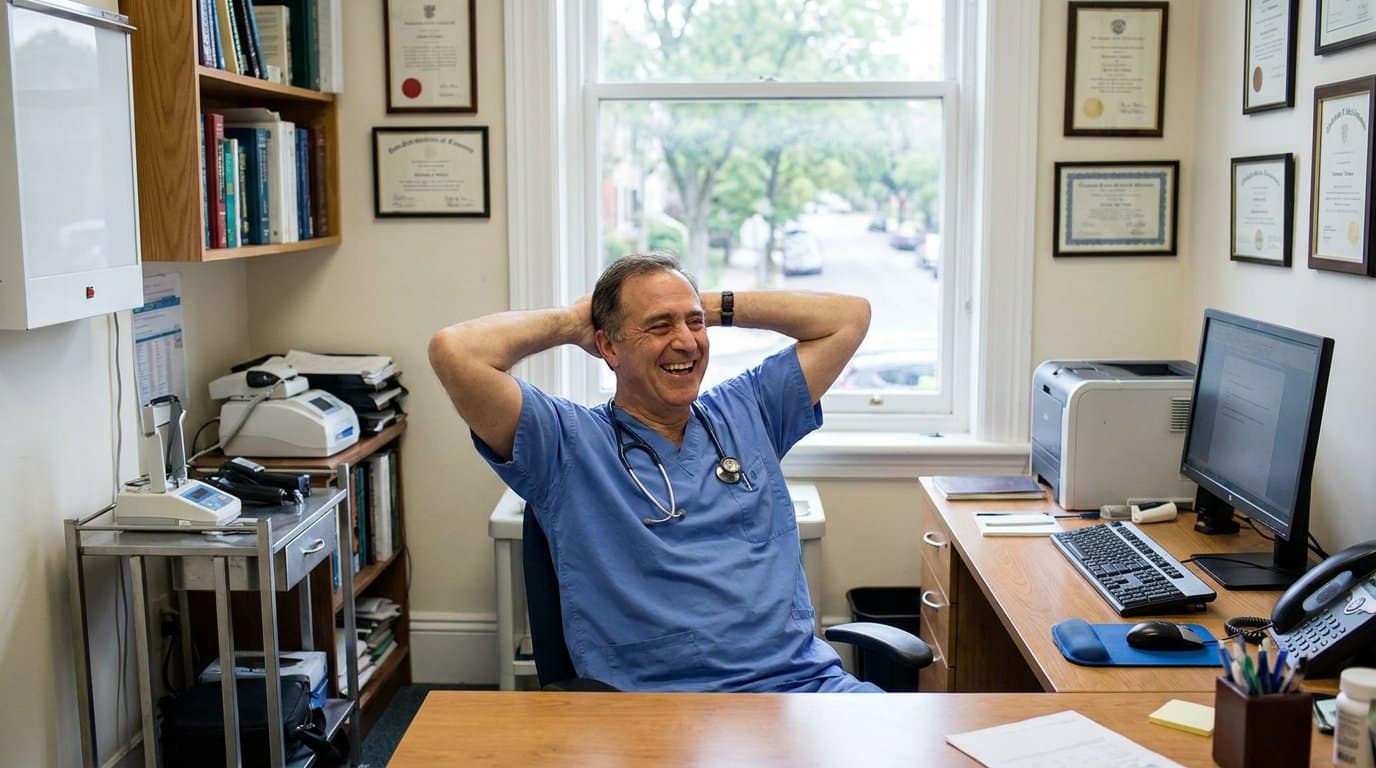
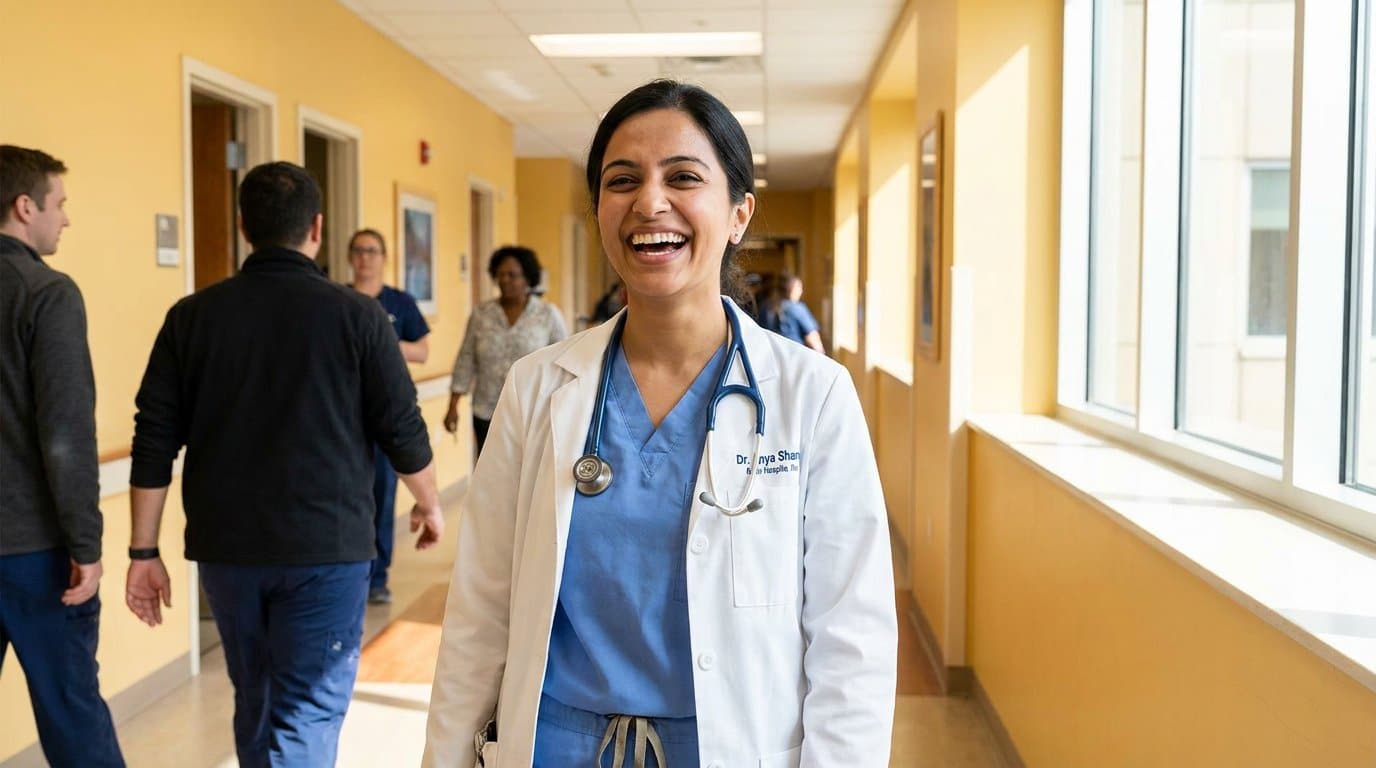
Mistake 5: Being Too Serious
In the UAE, patients choose their doctor. They pick warmth and credentials, and they remember how you made them feel. The panel is already imagining you with their patients. Creating a professional medical CV is essential for making a strong impression. It showcases your education, experience, and skills in a format that is easily digestible for potential employers. Cv tips for doctors applying to work in the uae can greatly enhance your application success.
THE FIX
Be professional and personable. Be yourself, and let that settle naturally in the room. The doctor who gets the offer is usually the one who makes people feel at ease.
The Interview Is Just One Part
Finding the right hospital, negotiating the right terms, and working through the system is where Allocation Assist Middle East comes in. 11 years. 95+ hospitals. Hundreds of doctors placed across the UAE, Saudi Arabia, and Qatar. The team has sat on both sides of the process and knows what gets overlooked and what gets remembered. Sometimes the difference is smaller than you think, and harder to see on your own. What Dubai hospitals really want from you is often a blend of clear communication and genuine collaboration.
Key Areas of Support
- Interview preparation, including what to say, what to avoid, and how to handle the panel.
- Hospital matching, finding the right environment for your specialty and seniority.
- Salary and contract negotiation, so you walk into the conversation prepared.
- Licensing and regulatory navigation, guiding you through the credentialing requirements specific to each Gulf country.
- Relocation and family logistics, helping you and your family settle in.
- Ongoing support after you arrive, including a community of doctors who have made the same move.
Your move starts with one conversation.
Frequently Asked Questions
Why is asking about salary in the first interview a problem?
It can shift the panel’s focus away from what they are trying to figure out, which is whether you are the right fit for their patients. Salary, hours, and contract details come later in the process. Leading with them in round one signals priorities that are out of step with the stage you are at.
What should I say if a panel asks me why I want this role?
Lead with energy and enthusiasm. Talk about your interest in the hospital, the specialty, and the patient population. Avoid framing your motivation in defensive terms like saying you are not desperate, even if you mean to reassure. Confidence reassures more than disclaimers do.
How long should my interview introduction be?
3 to 5 minutes. Prepare it in advance. Cover your specialty, your expertise, and your current role. Practise it until it feels natural. The first few minutes set the tone for the whole interview, and a clear introduction signals that you have prepared.
Is it okay to share new ideas or projects during the interview?
Yes, but not too early. Listen first and understand what the hospital’s priorities are. Once you have built trust and credibility, your ideas will carry far more weight than they would if you pitched them before the panel has a feel for who you are.
How important is personality in a Gulf interview?
Very important. In the UAE and across the Gulf, patients choose their doctor. Panels are not just assessing your credentials, they are imagining you with their patients. Doctors who come across as warm, calm, and easy to be around tend to do better in interviews than doctors who are technically strong but visibly stiff.
What if I do not hear back after an interview?
Silence is not always a rejection. The Gulf moves at its own pace, and recruitment processes often have multiple internal stages. Stay positive and patient, and let your recruitment partner follow up where appropriate.
How does Allocation Assist help doctors prepare for interviews?
Allocation Assist has been placing Western-trained physicians across the Gulf for over eleven years, with a network of 95+ hospitals across the UAE, Saudi Arabia, and Qatar. The team supports doctors with interview preparation, hospital matching, salary and contract negotiation, licensing, relocation, and ongoing post-arrival support.
How do I get in touch with Allocation Assist?
You can reach the team through the Allocation Assist website to book an introductory conversation. The team will discuss your specialty, your goals, and your timing, and walk you through what the next steps would look like.