Psychiatry specialists serve as your cornerstone providers for mental health care in the UAE, delivering abundant diagnostic assessments, evidence-based medication management, and coordinated treatment planning. They’ve expanded their presence considerably; outpatient visits surged from 454.49 to 2,975.6 per 100,000 population between 2017-2020, while the workforce grew to 4,914 practitioners. You’ll find them leading multidisciplinary teams, integrating care across primary and specialized settings, and utilizing culturally competent approaches tailored to your needs. Their expertise bridges critical gaps in access and solidifies continuity throughout your treatment journey. 10 things to know about working as a psychiatry doctor in Dubai include understanding the unique cultural dynamics that influence patient care. Additionally, the demand for mental health services is rapidly increasing, making this an opportune time for practitioners to establish their practice in the region. By embracing a collaborative approach, psychiatry doctors can significantly enhance treatment outcomes for their patients.
Comprehensive Mental Health Assessment and Diagnostic Services

As demand for mental health services intensified across the UAE, extensive psychiatric assessment evolved into a cornerstone of the nation’s healthcare infrastructure. You’ll find outpatient visits surged from 454.49 to 2,975.6 per 100,000 population between 2017 and 2020, reflecting heightened awareness and detection capabilities. Psychiatrists and psychologists now deliver thorough diagnostic evaluations across specialized polyclinics and general hospital settings, supported by 460 inpatient psychiatric beds for acute assessment. These inpatient facilities are strategically located in Abu Dhabi, Dubai, and Ras Al Khaima, ensuring geographic accessibility across major Emirates. Early diagnosis integration extends into pediatric and school health programs, enabling timely intervention for vulnerable populations. The mental health workforce expansion saw professionals increase seven-fold between 2017 and 2020, reaching a total of 4,914 practitioners, including psychiatrists, psychologists, and specialized nurses. Technological diagnostic advancements, including biomarker-based methods and precision psychiatry tools, enhance accuracy for complex cases. National screening programs demonstrate that mood disorders represent the most prevalent mental health condition, accounting for 1.8% of cases identified through systematic cardiovascular and health assessments. With the precision psychiatry market projected to reach USD 9.7 million by 2033, you’re witnessing a transformative shift toward evidence-based, personalized mental health assessment throughout the Emirates.
Medication Management and Individualized Treatment Planning
Psychiatry specialists across the UAE implement rigorous medication management protocols that balance regulatory compliance with personalized treatment approaches. You’ll receive individualized medication selection based on your diagnosis, symptom profile, and treatment history, with preference given to generic options when clinically appropriate. Your psychiatrist establishes therapeutic goals collaboratively, starting with cautious dosing and gradual titration to minimize side effects while optimizing efficacy.
Through systematic all-inclusive medication adherence monitoring, your treatment team tracks therapeutic outcomes and adverse effects during scheduled follow-ups. They conduct routine laboratory tests and physical assessments to detect complications early. Polypharmacy risk management involves careful evaluation of drug interactions, particularly if you’re elderly or have comorbidities. For patients with substance use disorders, specialists may prescribe withdrawal-specific medications under close medical supervision as part of a comprehensive recovery plan. Your psychiatrist also coordinates with community pharmacists who bridge the mental health care gap by providing additional counseling and monitoring support. Initial consultations with psychiatry specialists typically last 45-60 minutes to ensure comprehensive evaluation and treatment planning. You’ll receive thorough medication counseling explaining rationale, expected timelines, and side effect mitigation strategies, ensuring informed consent throughout your treatment journey.
Collaborative Care Within Multidisciplinary Healthcare Teams

While medication management forms the foundation of psychiatric treatment, your recovery depends equally on coordinated efforts across multiple healthcare disciplines. Psychiatry specialists in the UAE actively participate in clinical case discussions with psychologists, social workers, and medical professionals to address complex conditions like dual diagnosis and trauma-related disorders. They engage in shared risk assessments, safety planning, and care coordination meetings that integrate culturally competent psychosocial interventions tailored to regional needs. Key factors that determine psychiatrist salary in Dubai include years of experience, level of education, and demand for mental health services. Understanding these elements can help aspiring psychiatrists plan their careers more effectively. Additionally, regional economic conditions and the presence of private healthcare facilities also play crucial roles in shaping salary expectations. Specialist psychiatrists in Dubai in 2026 will likely see an increase in demand due to the growing recognition of mental health issues. As the city continues to evolve into a major healthcare hub, these professionals will need to adapt to emerging trends and innovations in treatment. Enhanced collaboration with other healthcare providers will be essential to ensure comprehensive and effective patient care.
Your treatment team collaborates on evidence-based protocols, facilitates group therapy programs, and guarantees smooth shifts between inpatient, outpatient, and community services. These specialists bring addiction psychiatry expertise that enhances the team’s capacity to manage substance use disorders alongside co-occurring mental health conditions. Psychiatrists are medical physicians equipped to deal with the intricate relationship between psychological, psychiatric, medical, familial, and hereditary factors that influence treatment outcomes. The coordinated approach addresses a full spectrum of psychiatric health disorders, including depression, anxiety, bipolar disorder, OCD, and complex trauma. Through interdisciplinary knowledge translation, psychiatrists contribute to research projects, quality improvement initiatives, and staff training sessions that enhance mental health literacy across primary care and hospital settings, ultimately strengthening your continuity of care.
Bridging the Gap Between Primary Care and Specialized Mental Health Services
When you seek help for mental health concerns in the UAE, the pathway from your family doctor to specialized psychiatric care can markedly impact your treatment outcomes. Psychiatry specialists have established formalized referral protocols across six emirates, ensuring your clinical information, symptom severity, relevant histories, and provisional diagnoses transfers seamlessly to specialist teams. Training workshops equip your primary care physician to recognize early psychiatric signs and provide initial management for mild to moderate conditions. This integration reduces stigma while enabling earlier detection through proactive screening initiatives.
Electronic health systems like Wareed standardize documentation and tracking, supporting continuous care shifts. Telehealth integration further expands access, particularly in underserved areas. Specialists emphasize cultural competence in treatment approaches, ensuring interventions align with your community context. Primary care centers now address mild and moderate mental health conditions as part of their core service offerings, strengthening the foundation for integrated care. The establishment of 15 specialized mental health clinics within primary healthcare centers demonstrates the UAE’s commitment to making psychiatric services more accessible across the emirates. These coordinated efforts minimize treatment drop-off and strengthen the bridge between primary and specialized mental health services. In cities like Al Ain, psychiatric care operates through centralized hospital facilities that receive referrals from primary health care centers distributed throughout residential and industrial neighborhoods.
Building Mental Health Infrastructure and Addressing Workforce Shortages
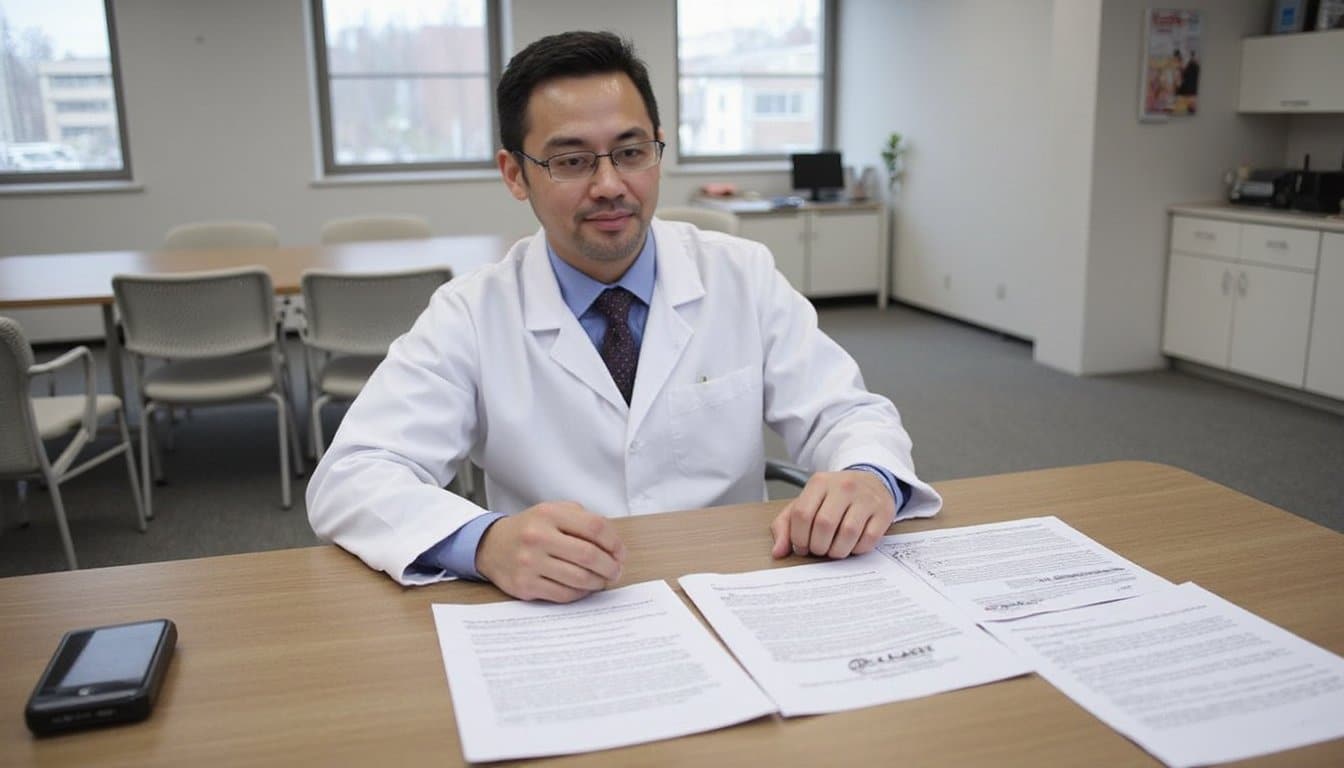
Effective coordination between primary care and specialized services requires a robust foundation, one built on adequate facilities, trained professionals, and strategic investment. You’ll find the UAE has considerably strengthened its mental health infrastructure, with psychiatrist density rising from 4.21 to 5.32 per 100,000 population between 2021 and 2022.
Key developments include:
- Expanding capacity: 26 mental health facilities now operate with 460 psychiatric beds (18.4 per 100,000 population)
- Workforce growth: Total mental health workforce reached 6,271 professionals through targeted workforce training initiatives
- Investment acceleration: AED 105 million committed over five years, alongside public-private partnerships driving digital infrastructure exceeding $530 million by 2025
Despite progress, Arabic language proficiency requirements and understaffing relative to high-income countries present ongoing recruitment challenges you can’t ignore. A critical gap in specialists persists, particularly in child psychiatry, addiction treatment, and perinatal mental health, areas requiring urgent attention to meet population needs. The mental health market demonstrates steady growth of 8.92% CAGR as rising awareness and improved access drive demand for both traditional clinical services and emerging digital therapy solutions.
Frequently Asked Questions
What Insurance Coverage Options Exist for Psychiatric Services in the UAE?
You’ll find health insurance plan coverage for psychiatric services ranges from basic plans (950 AED annually) covering consultations only, to extensive options (3,000+ AED) including therapy sessions and hospitalization. Premium plans offer up to 7,500 AED annually for mental health services. Private mental health clinics accept most major insurers, though you’ll encounter coverage caps and co-insurance requirements. Since January 2025, regulatory changes mandate expanded coverage, including outpatient counseling, typically capped around 800 AED yearly in standard plans.
How Do Cultural Beliefs Influence Psychiatric Treatment Approaches in the UAE?
Cultural beliefs shape your psychiatric care through integrating traditional healing methods with evidence-based treatments. You’ll find psychiatrists maneuvering family dynamics by involving relatives in treatment decisions, respecting collectivist values while protecting your autonomy. They’ll address spiritual explanations of mental illness alongside medical diagnoses, collaborating with religious leaders when appropriate. This culturally-adapted approach helps overcome stigma you might face, ensuring treatment aligns with Islamic values and Emirati traditions while maintaining clinical effectiveness and encouraging your help-seeking behavior.
Are Telepsychiatry Services Widely Available Across Different UAE Emirates?
You’ll find telepsychiatry services increasingly available across the UAE, though access varies by Emirate. Major cities like Dubai and Abu Dhabi offer robust online mental health platforms and digital psychiatry solutions, with 83.1% user satisfaction reported. Rural areas face connectivity challenges, but the market’s projected growth from USD 3.18 billion (2025) to USD 9.72 billion (2031) signals expanding coverage. Government investments are actively bridging gaps, making remote psychiatric care more accessible nationwide.
What Is the Typical Wait Time to See a Psychiatrist in UAE?
You’ll find that published wait-time benchmarks aren’t widely available for UAE psychiatry appointments, though long appointment wait times are commonly reported across the emirates. Limited clinic availability, driven by a severe psychiatrist shortage and only one dedicated national mental health facility, significantly delays access, particularly in public settings. The six-fold surge in treatment requests over three years has intensified backlogs. While telepsychiatry is reducing barriers, infrastructure gaps and growing demand continue to prolong your wait for in-person specialist care.
Do UAE Psychiatrists Receive Training in Culturally-Sensitive Mental Health Care?
Yes, UAE psychiatrists receive extensive training in cultural sensitivity and patient-centered practices. Their curricula emphasize cross-cultural communication, reducing diagnostic biases, and adapting interventions to diverse beliefs and traditions. You’ll find that ongoing workshops, case-based learning, and community engagement reinforce these skills. Institutions actively recruit multicultural teams and collaborate with traditional healers when appropriate. This training translates into improved patient satisfaction, treatment adherence, and reduced stigma, ensuring you receive respectful, culturally informed mental health care tailored to your background.